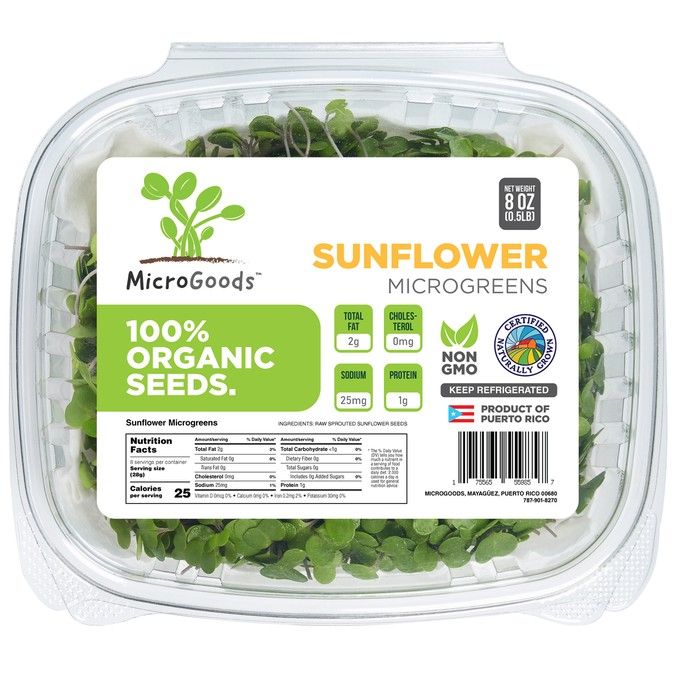
Microgreens are a tiny but mighty addition to any diet, offering a burst of flavor and a powerhouse of nutrients in each delicate leaf. These mini greens are harvested at an early stage of growth, typically when they are around 1-3 inches tall, making them more nutrient-dense than their fully grown counterparts.
Growing microgreens at home is not only easy but also rewarding. You can grow them indoors year-round, requiring minimal space and time. To start your own microgreen garden, you will need some seeds (such as broccoli, radish, or sunflower), a shallow container with drainage holes, organic soil or a hydroponic setup, and access to sunlight or grow lights.
Different types of microgreens offer a range of flavors and textures. From peppery arugula and spicy radish to earthy beetroot and fresh cilantro, there is a variety to suit every palate. Experimenting with different types can add excitement to your dishes while providing diverse nutritional benefits.
Speaking of nutrition, microgreens pack quite the punch in that department. Studies have shown that these tiny greens can contain up to 40 times more vitamins and minerals than their mature counterparts. They are rich in antioxidants, essential vitamins (such as A, C, K), and minerals like iron and potassium – all crucial for maintaining good health.
Incorporating microgreens into your meals is simple yet transformative. Add them to salads for an extra crunch or sprinkle them over soups for a burst of freshness. They also make beautiful garnishes for various dishes due to their vibrant colors and unique shapes.
One popular way to enjoy the benefits of microgreens is by blending them into smoothies. Their mild flavors blend well with fruits and vegetables while providing an added nutritional boost without overpowering the taste.
When it comes to farming techniques for microgreens on a larger scale, using high-quality soil mixtures rich in organic matter is key. Proper watering techniques (keeping the soil moist but not waterlogged) along with adequate light exposure will ensure healthy growth.
Microgreens should be harvested carefully once they reach the desired height with sharp scissors just above the soil level. Storing them in an airtight container lined with paper towels in the refrigerator can help maintain freshness for longer periods.
In terms of pest control methods for growing microgreens organically, introducing beneficial insects like ladybugs or using neem oil spray can help deter unwanted pests without resorting to harmful chemicals.
The debate between microgreens vs sprouts often arises due to their similar appearance; however, it’s essential to note that sprouts are germinated seeds eaten entirely within days while microgreens are young seedlings grown slightly longer before being harvested above ground level – hence offering different flavor profiles and textures altogether.
To enhance your culinary experience further with these miniature greens throughout the year based on seasonal availability:
– Spring: Pea shoots
– Summer: Sunflower shoots
– Fall: Radish greens
– Winter: Mustard greens
Proper packaging tips involve using breathable containers lined with paper towels before refrigeration – ensuring they stay fresh longer without wilting prematurely.
Whether you’re looking for an easy way to boost your daily nutrient intake or simply want to add some flair to your culinary creations,
microgreens are undoubtedly worth exploring!

Leave a Reply