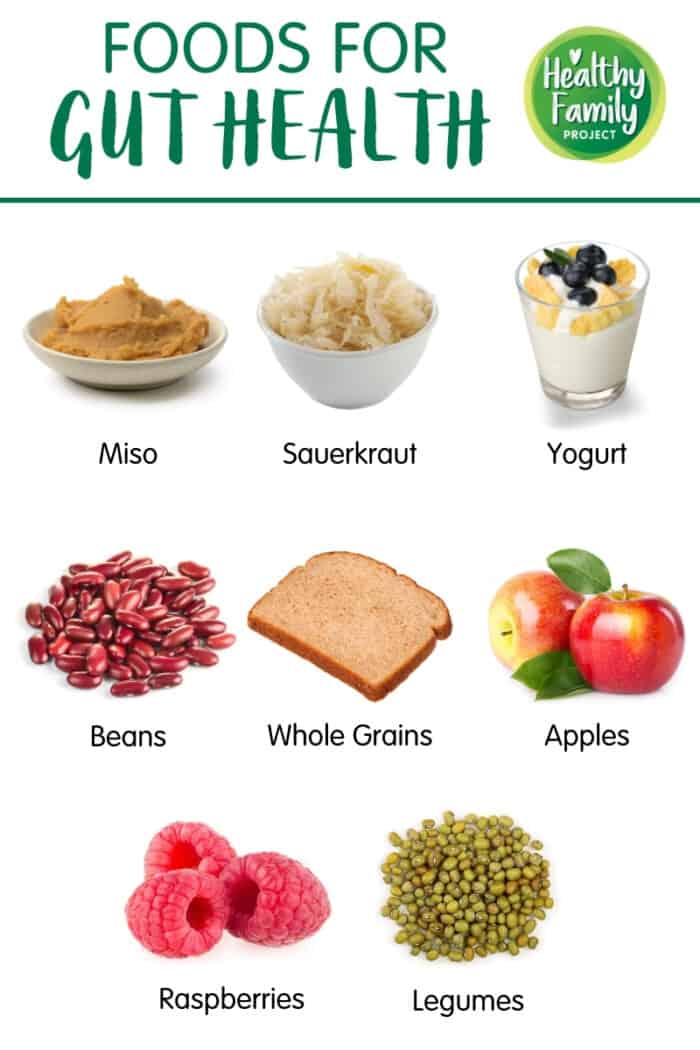
Prebiotics are a type of fiber that serve as food for the beneficial bacteria in our gut, known as probiotics. They play a crucial role in maintaining a healthy digestive system and have been linked to various health benefits, including improved gut health, weight management, immune function, digestion, mental well-being, and even skin health.
Sources of prebiotics in food:
– Some common sources of prebiotics include fruits such as bananas, apples, and berries; vegetables like onions, garlic, leeks, and asparagus; whole grains such as oats and barley; legumes like chickpeas and lentils; nuts and seeds.
Prebiotic supplements:
– Prebiotic supplements are also available for those looking to increase their prebiotic intake. These supplements usually contain types of fibers such as inulin or oligosaccharides derived from plants.
Prebiotics vs probiotics:
– While both prebiotics and probiotics promote gut health by supporting beneficial bacteria, they differ in their functions. Probiotics are live bacteria found in foods like yogurt and fermented foods that directly add good bacteria to your gut. On the other hand, prebiotics act as fuel for these good bacteria to thrive.
Prebiotics for gut health:
– Prebiotics help maintain a healthy balance of gut microbiota by promoting the growth of beneficial bacteria. A diverse microbiome has been associated with better digestion and overall well-being.
Prebiotics for weight management:
– Some studies suggest that consuming prebiotic-rich foods may aid in weight management by promoting feelings of fullness and improving metabolism.
Prebiotics and immune system:
– A healthy gut is closely linked to a strong immune system. By nourishing beneficial bacteria in the gut with prebiotic-rich foods or supplements, you can potentially boost your immunity.
Prebioitics and digestion:
– Prebioitics play a key role in supporting regular bowel movements by aiding digestion through fermentation processes within the colon.
Prebioitics for mental health:
– Emerging research indicates a connection between gut health (including consumption of prebioitics) and mental well-being. The “gut-brain axis” suggests that what goes on in your stomach can impact your brain’s function too.
Prebioitics for skin health:
– Skin conditions like acne or eczema may benefit from improved gut health achieved through consuming prebioitic-rich foods which reduce inflammation throughout the body.
Recommended daily intake of preboitics:
– While there isn’t an official recommended daily intake established yet since individual needs vary based on factors like age or gender but aiming at around 5 grams per day is considered helpful.
Potential side effects:
– Consuming excessive amounts may lead to bloating or gas so it’s important to gradually increase intake if you’re new to eating more fibrous foods rich in prrebotic content.
Incorporating into diet:
– To incorporate more prrebotics into your meals try adding them into smoothies salads soups sandwiches stews oatmeals etc

Leave a Reply