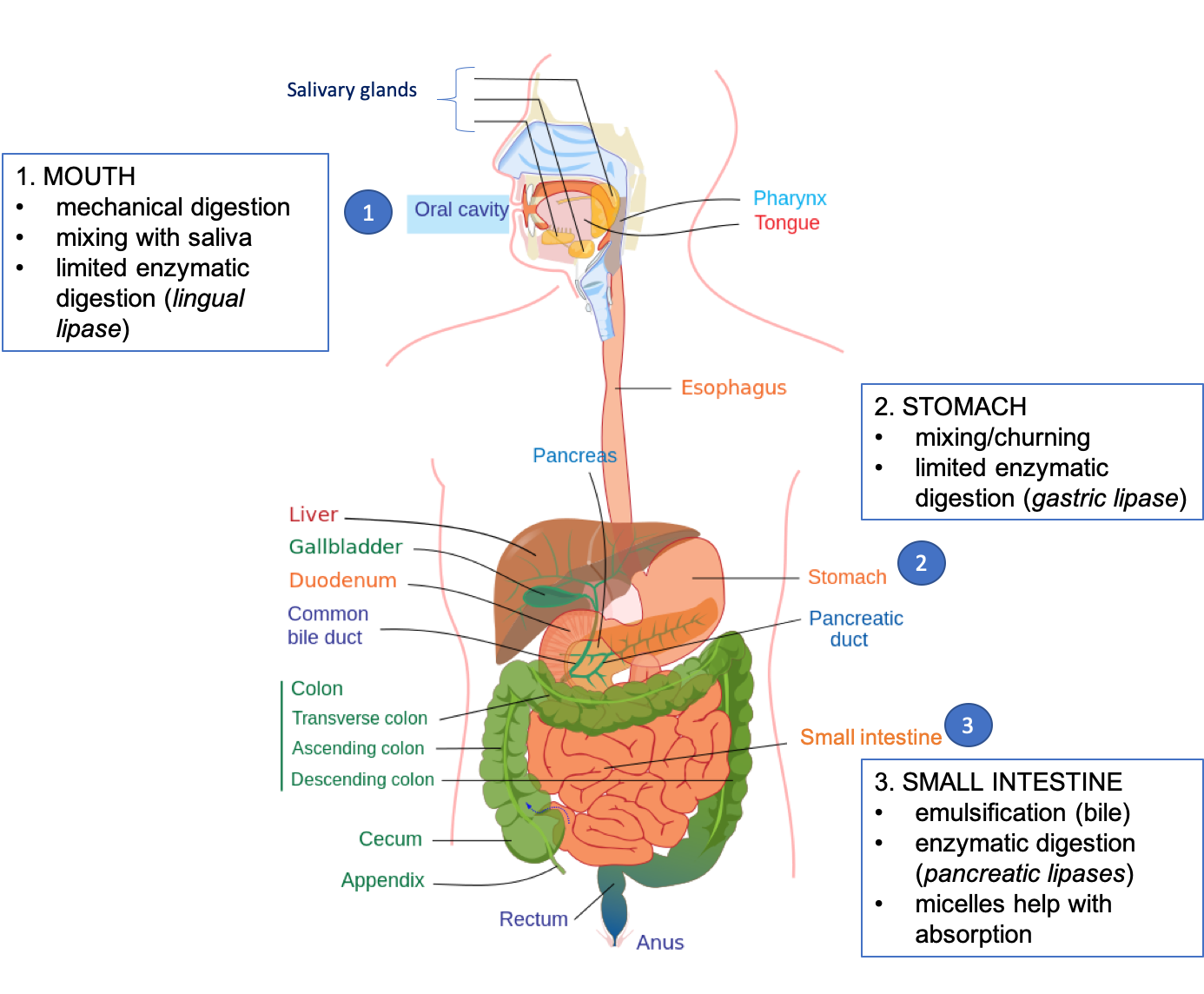
Digestive enzymes play a crucial role in our bodies by breaking down food into nutrients that can be absorbed and utilized for energy, growth, and repair. These specialized proteins are produced by the digestive system to help break down carbohydrates, fats, and proteins into smaller molecules that can be easily absorbed by the body.
There are several types of digestive enzymes, each with a specific function in the digestion process. The main digestive enzymes include:
1. Amylase: This enzyme helps break down carbohydrates such as starches and sugars into simple sugars like glucose.
2. Protease: Protease enzymes work to break down proteins into amino acids.
3. Lipase: Lipase is responsible for breaking down fats into fatty acids and glycerol.
4. Lactase: Lactase breaks down lactose, the sugar found in dairy products.
These enzymes are produced by various organs in the digestive system, including the salivary glands, stomach, pancreas, and small intestine. Each enzyme works at a specific pH level and temperature range to optimize its effectiveness in breaking down food particles.
Inadequate production of digestive enzymes can lead to poor digestion and nutrient absorption, resulting in symptoms such as bloating, gas, diarrhea, or constipation. Factors such as aging, certain medical conditions (such as pancreatic insufficiency), or lifestyle choices (like a high-stress environment or poor dietary habits) can all contribute to reduced enzyme production.
Supplementing with digestive enzymes may help support optimal digestion and nutrient absorption for individuals who may have insufficient natural enzyme production or those looking to improve their overall gut health.
When choosing a digestive enzyme supplement, it’s essential to consider factors like enzyme activity levels (measured in international units), source of enzymes (animal-derived or plant-based), additional ingredients included in the formulation (such as probiotics or herbs), dosage recommendations based on individual needs or health conditions.
Plant-based digestive enzyme supplements are often preferred by vegetarians/vegans due to their non-animal origin. Popular plant-based sources of digestive enzymes include bromelain (from pineapple), papain (from papaya), amylase from fungi/yeast sources like Aspergillus niger or Rhizopus spp., proteases from plants like Aspergillus melleusor Bacillis subtilis among others.
It’s important to consult with a healthcare provider before starting any new supplement regimen since individual needs vary based on age group demographics gender physiology genetics etc., especially if you have existing medical conditions/take medications regularly pregnant/breastfeeding etc.
Studies have shown that supplementation with certain types of digestive enzymes has been beneficial for improving symptoms related to indigestion irritable bowel syndrome(IBS) leaky gut syndrome Crohn’s disease ulcerative colitis celiac disease lactose intolerance etc., though more research is needed confirm these findings conclusively.
In conclusion Digestive Enzymes play an integral role ensuring efficient breakdown absorption nutrients consumed through diet promoting overall gut health well-being Proper supplementation when necessary help support optimal digestion aid management various gastrointestinal issues However always recommended seek professional guidance determining whether supplement right choice individual circumstances

Leave a Reply