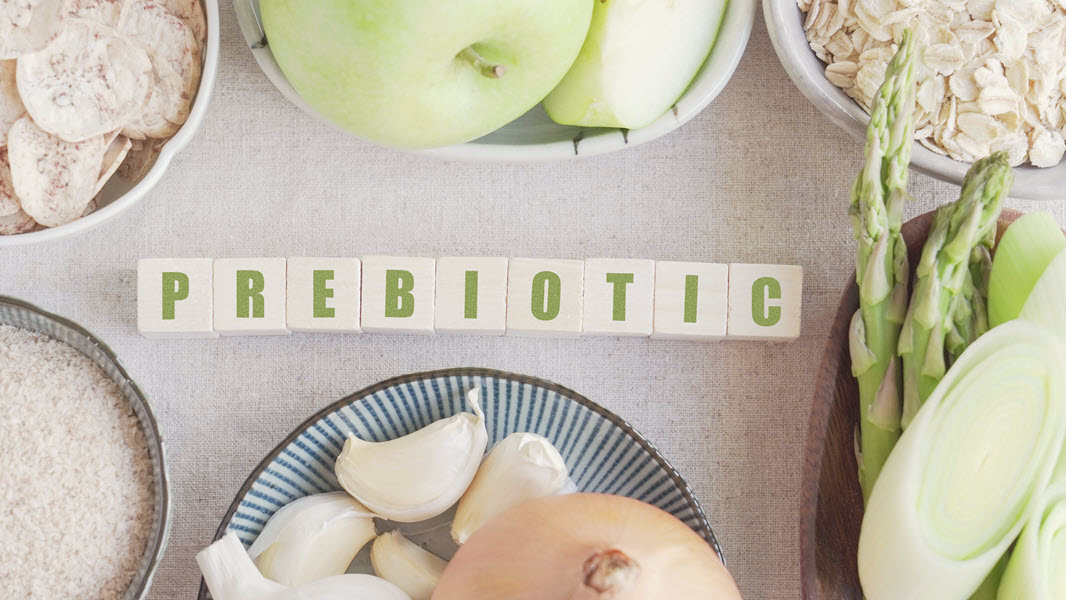
In the realm of nutrition and gut health, prebiotics play a crucial role in supporting the growth of beneficial bacteria in our digestive system. These non-digestible fibers serve as food for probiotics, the good bacteria that keep our gut microbiome balanced and functioning optimally. Today, we’ll delve into 15 top prebiotic sources that can be easily incorporated into your diet to promote gut health and overall well-being.
1. **Resistant Starch**: Found in foods like green bananas, cooked and cooled potatoes or rice, resistant starch resists digestion in the small intestine and ferments in the large intestine, promoting the growth of healthy bacteria.
2. **Inulin**: This prebiotic fiber is naturally found in chicory root, Jerusalem artichokes, onions, and garlic. Inulin helps nourish beneficial bacteria like Bifidobacteria and Lactobacilli.
3. **Fructooligosaccharides (FOS)**: Present in foods such as bananas, berries, and tomatoes, FOS promotes the growth of probiotics while aiding digestion.
4. **Galactooligosaccharides (GOS)**: Foods like legumes contain GOS which can enhance immune function by supporting beneficial gut bacteria.
5. **Larch Arabinogalactan**: Derived from the bark of larch trees, this prebiotic has shown promise in supporting immune function and gut health.
6. **Xylooligosaccharides (XOS)**: XOS are found naturally in fruits and vegetables like berries and lettuce; they stimulate the growth of Bifidobacteria species.
7. **Mannan Oligosaccharides (MOS)**: Commonly sourced from yeast cell walls or plants like aloe vera or coconut meal; MOS supports a healthy balance of microflora within the intestines.
8. **Beta-Glucans**: Often found in oats, barley, mushrooms; beta-glucans help modulate our body’s immune response while feeding beneficial intestinal microbes.
9. **Pectin**: Abundant in apples, citrus fruits; pectin acts as a soluble fiber with prebiotic properties to support gastrointestinal health.
10-12.
**Konjac Root**, derived from an Asian plant rich in glucomannan fiber;
**Acacia Fiber**, sourced from acacia gum arabic exudate;
**Chicory Root**, containing high levels of Inulin – all these offer excellent prebiotic benefits when consumed regularly to improve gut flora diversity.
13-15.
Moving on to some lesser-known sources:
**Jerusalem Artichoke**, boasting high Inulin content;
**Burdock Root**, traditionally used for its potential prebiotic effects;
and finally,
**Dandelion Greens**, not just a weed but also a nutritious source of prebiotics to feed your gut microbiome.
Moreover:
16-17.
Apart from land-based options,
Seaweed Prebiotics contains various types including alginates promoting digestive wellbeing,
While Baobab Fruit Powder offers additional nutrients besides being rich in dietary fibers essential for intestinal microbial balance.
18.
Lastly,
Tiger Nuts may surprise you with their resistant starch content providing fuel for friendly bacteria.
Integrating these diverse sources will not only enhance your digestive health but also bolster your immunity due to the close link between gut health and overall well-being.
Remember that incorporating a variety of these prebiotic-rich foods into your diet will help ensure you’re feeding a wide range of beneficial bacteria strains within your microbiome – ultimately leading to improved digestion along with better absorption of nutrients essential for optimal wellness.
So go ahead – start experimenting with adding these fantastic prebiotics into your meals today!

Leave a Reply