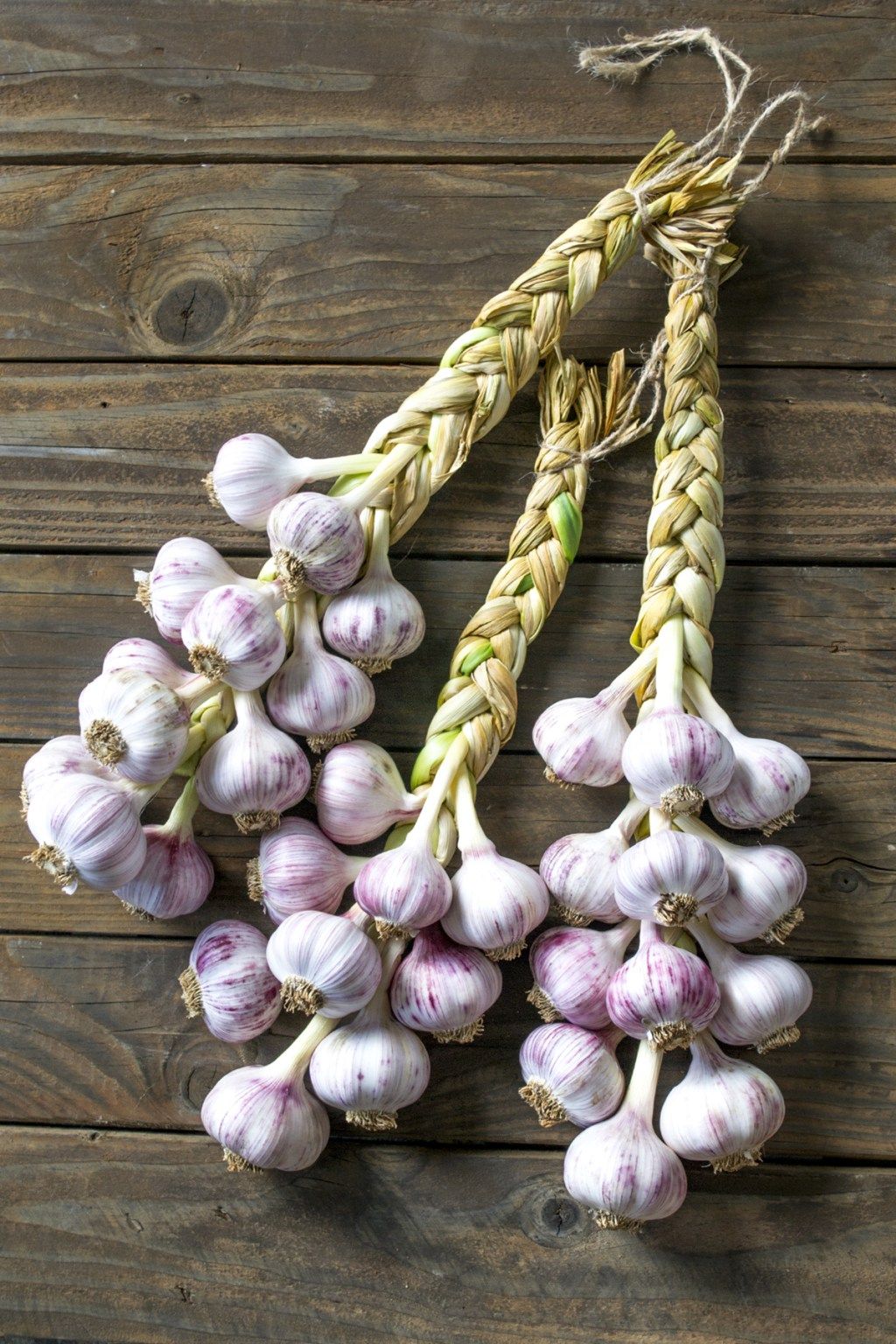
Korean garlic, known for its unique flavor profile and potent health benefits, has been gaining popularity among food enthusiasts and health-conscious individuals around the world. This variety of garlic is highly regarded for its intense aroma, rich taste, and numerous therapeutic properties. Let’s delve into the characteristics, nutritional value, culinary uses, and potential health benefits of Korean garlic.
**Characteristics of Korean Garlic**
Korean garlic is distinguished by its larger bulb size compared to other varieties of garlic. The cloves are typically plump with a smooth outer skin that ranges in color from white to purple-tinged hues. When peeled, the cloves reveal a pungent aroma that is more pronounced than regular garlic varieties. The taste can be described as robust and slightly spicy with hints of sweetness.
**Nutritional Value**
Like all types of garlic, Korean garlic is packed with essential nutrients and bioactive compounds that contribute to its health-promoting properties. It is a good source of vitamins C and B6, manganese, selenium, and fiber. Garlic also contains sulfur-containing compounds such as allicin which are responsible for many of its health benefits.
**Culinary Uses**
Korean garlic adds depth and complexity to a wide range of dishes due to its bold flavor profile. It can be used in both raw and cooked forms depending on personal preference. Raw Korean garlic can be minced or crushed to release its intense flavors in dressings, dips like aioli or salsa verde, or added at the end of cooking for a punchy finish.
In Korean cuisine specifically, it plays a prominent role in dishes such as kimchi (fermented vegetables), bulgogi (marinated grilled meat), doenjang jjigae (soybean paste stew), and various banchan (side dishes). Its versatility extends beyond traditional recipes; roasted whole bulbs make delicious spreads when mashed while sautéed slices add depth to stir-fries or pasta dishes.
**Health Benefits**
The consumption of Korean garlic offers an array of potential health benefits backed by scientific research. Allicin found in fresh raw garlic possesses antibacterial properties that may help fight off infections caused by harmful bacteria. Additionally, studies suggest that regular intake of allicin-rich foods like Korean garlic may support cardiovascular health by helping regulate blood pressure levels and improving cholesterol profiles.
Furthermore, the antioxidant properties present in Korean garlic may aid in reducing inflammation within the body which could potentially lower the risk factors associated with chronic diseases like cancer and diabetes. Some studies have even indicated potential immune-boosting effects from consuming this pungent herb regularly.
**Choosing & Storing**
When selecting Korean garlic at your local market or grocery store look for firm bulbs without any signs of sprouting or soft spots indicating freshness; opt for organic options if available since they tend to have fewer pesticides residues on them.
To ensure optimal storage conditions keep your bulbs stored in a cool dry place away from direct sunlight ideally between 60-65°F (15-18°C) with proper air circulation ensuring they remain dry until ready for use – storing them too long will lead them sprout earlier than desired!
In conclusion,
Korean Garlic stands out not only for its distinctive flavor profile but also for being a powerhouse when it comes to nutritional content offering numerous positive impacts on one’s overall well-being! Whether you enjoy incorporating it into your cooking routine inspired by authentic Asian cuisine or simply wish to reap its many proposed advantages – this aromatic bulb certainly deserves recognition within any healthy eating regimen!

Leave a Reply