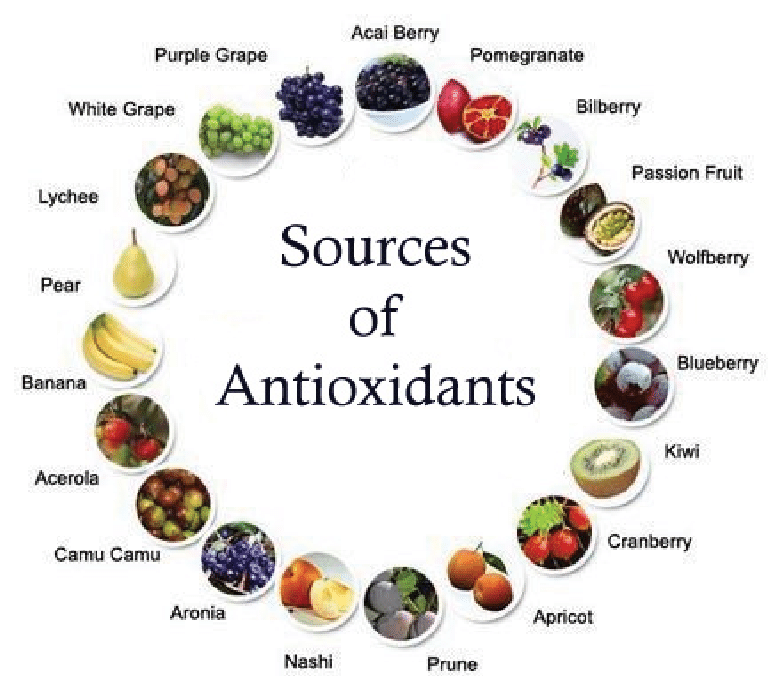
Antioxidant vitamins, such as vitamins C and E, play a crucial role in combating free radicals that can damage cells and contribute to aging and various diseases. Trace minerals like zinc, selenium, and copper are essential for overall health but are required in smaller amounts compared to major minerals. Water-soluble vitamins like B-complex vitamins and vitamin C are not stored in the body, so they need to be consumed regularly through diet or supplementation.
Fat-soluble vitamins (A, D, E, K) are absorbed along with fats in the diet and stored in the body’s fatty tissues. Vitamin D is unique as it can also be synthesized by the skin when exposed to sunlight. Minerals like calcium, magnesium, and phosphorus are vital for bone health.
Vitamin K is crucial for blood clotting mechanisms while iodine supports thyroid function. Zinc aids immune system support; biotin promotes healthy hair and nails; chromium helps regulate blood sugar levels; manganese supports metabolism.
Vitamin E contributes to healthy skin maintenance while selenium acts as an antioxidant mineral. Fluoride is important for dental health; magnesium plays a role in muscle function; vitamin A is essential for vision. Copper has various functions within the body; potassium supports heart health.
Factors affecting iron absorption include vitamin C enhancing absorption while calcium inhibits it when consumed together with iron-rich foods on a Healthy Eating website will help readers make informed choices about their nutrient intake.

Leave a Reply