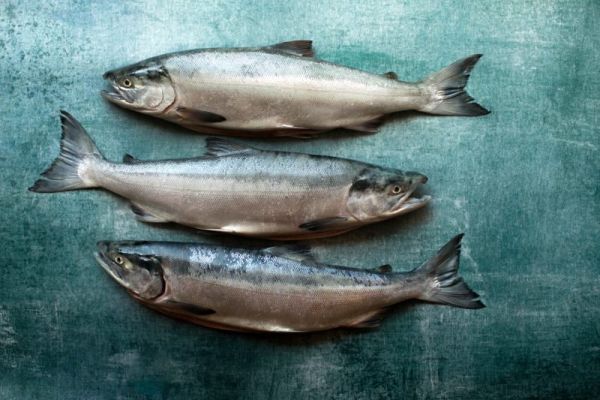
Wild-caught fish has been a staple in human diets for centuries, providing essential nutrients and protein. Unlike farmed fish, wild-caught fish are captured in their natural habitats such as oceans, rivers, and lakes. This traditional method of fishing offers several benefits that contribute to the overall health and sustainability of our food system.
One of the key advantages of consuming wild-caught fish is its superior taste and texture. Fish caught in the wild tend to have a firmer texture and more robust flavor compared to their farmed counterparts. This can be attributed to the varied diet that wild fish consume in their natural environment, which includes algae, plankton, and other marine organisms.
In addition to taste, wild-caught fish are often considered more nutritious than farmed varieties. They generally have higher levels of omega-3 fatty acids, which are essential for heart health and brain function. These healthy fats help reduce inflammation in the body and lower the risk of chronic diseases such as heart disease and diabetes.
Furthermore, choosing wild-caught fish supports sustainable fishing practices that help maintain healthy marine ecosystems. By avoiding overfishing and protecting natural habitats, we can ensure that future generations will also have access to these valuable resources.
When purchasing wild-caught fish, it’s important to look for certifications like Marine Stewardship Council (MSC) or Best Aquaculture Practices (BAP) to guarantee that the seafood was sourced responsibly. By making informed choices about where our food comes from, we can support sustainable fishing practices while enjoying delicious and nutritious meals featuring wild-caught fish.

Leave a Reply