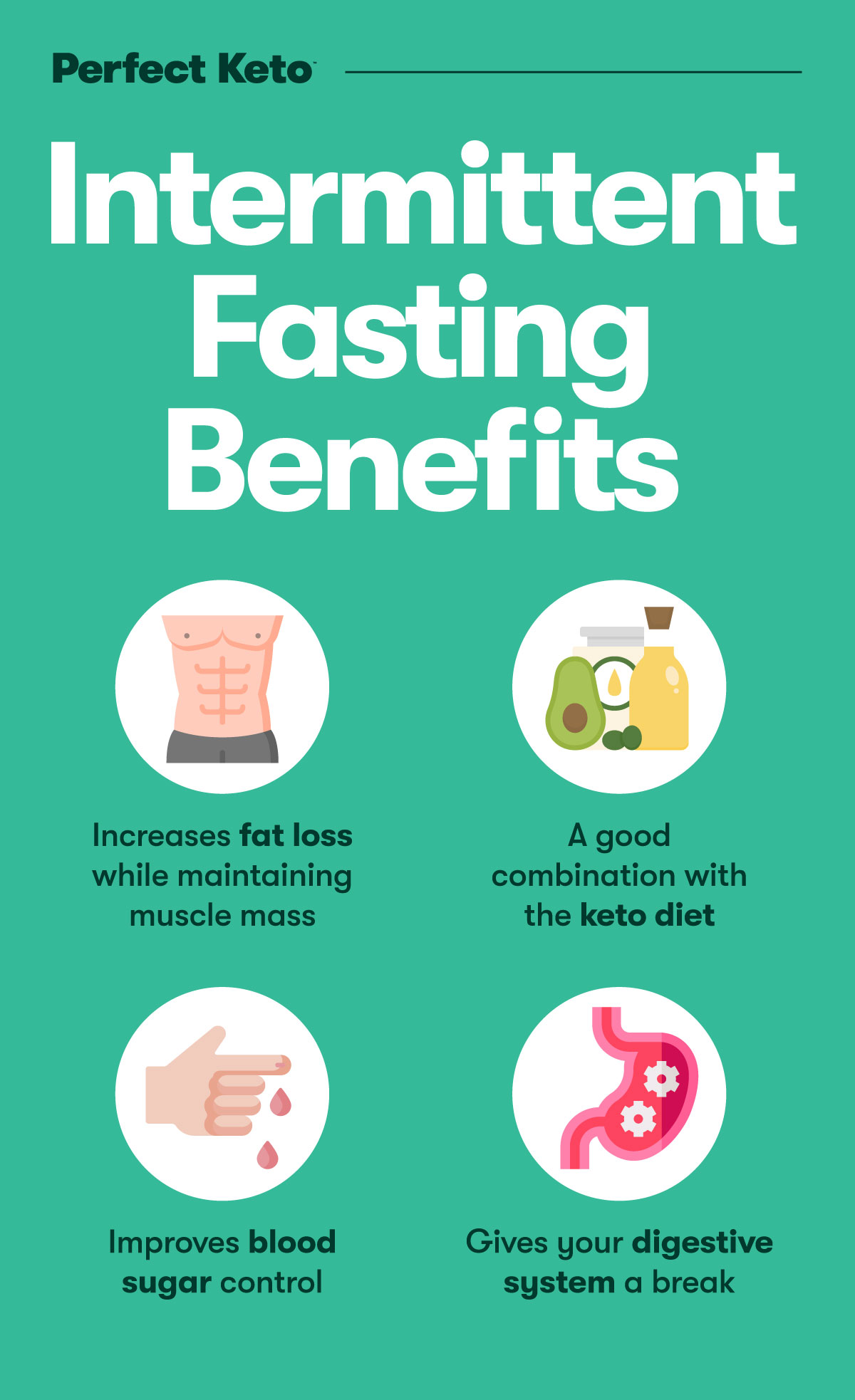
Alternate day fasting (ADF) is a popular intermittent fasting method that involves alternating between days of regular eating and days of reduced calorie intake. This approach has gained attention for its potential health benefits, including weight loss, improved metabolic health, and longevity.
On fasting days, individuals typically consume around 25% of their usual caloric intake, while on non-fasting days they eat normally. This cycle is repeated throughout the week or month, depending on personal preference and goals.
One of the main appeals of ADF is its simplicity. By restricting calories every other day rather than daily, some people find it easier to adhere to compared to traditional daily calorie restriction diets. It also allows for more flexibility in meal planning since no foods are off-limits; instead, portion sizes are adjusted based on whether it’s a fasting or non-fasting day.
Research has shown that ADF can lead to weight loss and improvements in various markers of health. Studies have found that ADF may help reduce body weight, body fat percentage, cholesterol levels, blood pressure, and insulin resistance. Some research also suggests that ADF can promote autophagy – a cellular cleansing process with potential anti-aging effects.
It’s important to note that while ADF can be an effective tool for weight management and improving overall health when done properly, it may not be suitable for everyone. Individuals who have a history of disordered eating or certain medical conditions should consult with a healthcare provider before starting any fasting regimen.
To get started with Alternate Day Fasting:
1. **Consult your doctor**: Before embarking on any new diet or eating plan, especially one as potentially impactful as alternate-day fasting.
2. **Choose your method**: Decide how many days per week you’d like to fast (e.g., every other day or 3-4 times per week).
3. **Plan your meals**: On fasting days, focus on nutrient-dense foods like lean proteins, fruits and vegetables to help you feel satisfied.
4. **Stay hydrated**: Drink plenty of water throughout the day to stay hydrated and curb hunger.
5. **Listen to your body**: Pay attention to how you feel during both fasting and non-fasting days – if you’re feeling overly fatigued or unwell,
6..**Be patient:** Weight loss and other health improvements may take time so stick with the plan consistently.
In conclusion Alternate Day Fasting is an effective way for some individuals looking for an alternative approach towards healthy eating habits provided they do it safely by consulting professionals where necessary .

Leave a Reply