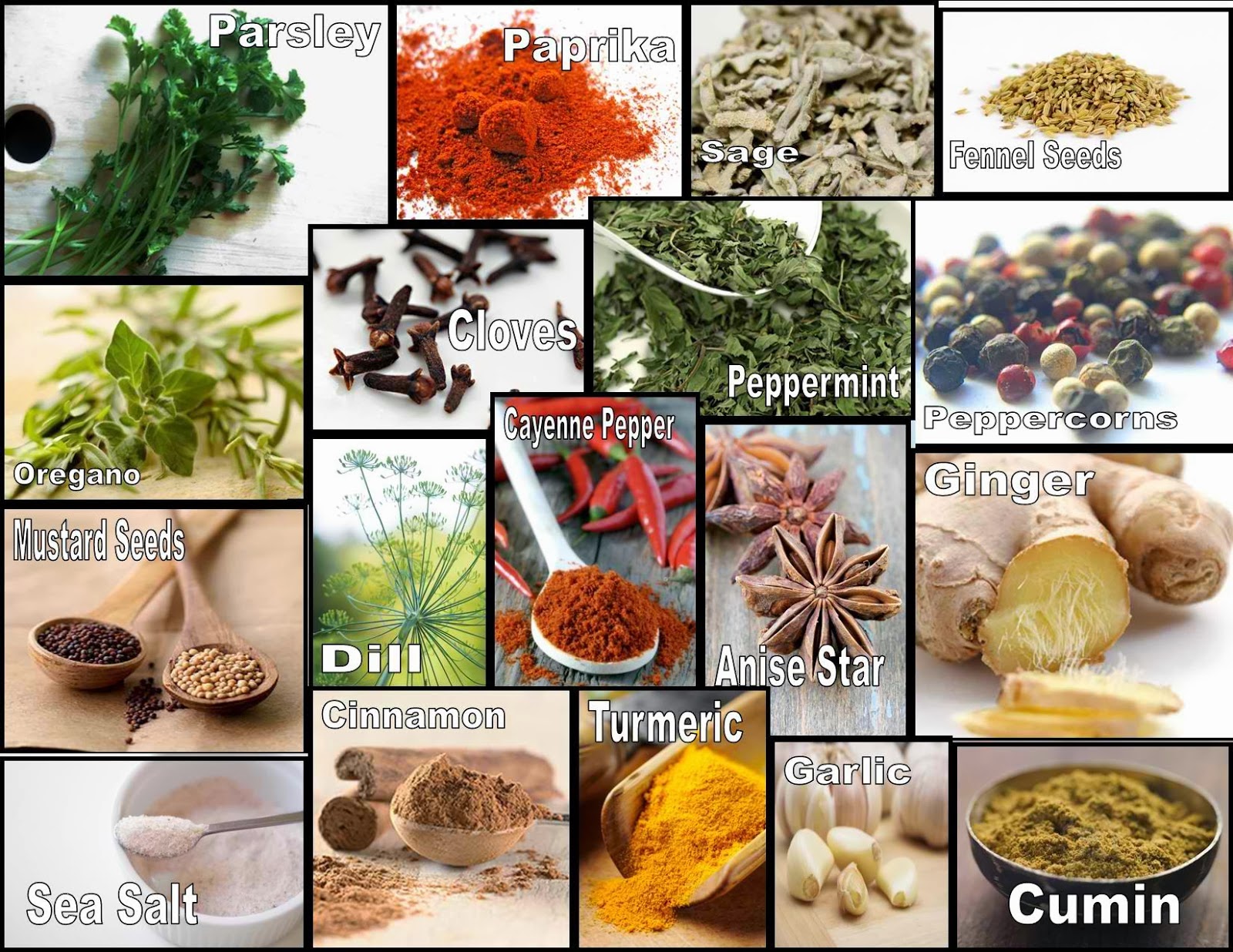
The Mediterranean diet is renowned for its health benefits and delicious flavors, largely thanks to the abundant use of herbs and spices in traditional Mediterranean cooking. These flavorful additions not only enhance the taste of dishes but also offer numerous health benefits.
Herbs like oregano, rosemary, thyme, and basil are commonly used in Mediterranean cuisine and are rich in antioxidants that help reduce inflammation and lower the risk of chronic diseases such as heart disease and cancer. Spices like cinnamon, cumin, paprika, and turmeric not only add depth to dishes but also have anti-inflammatory properties that can boost overall health.
Traditional Mediterranean cooking techniques play a significant role in preserving the nutrients in food. Methods like grilling, roasting, or braising help retain the natural flavors of ingredients without needing excessive amounts of added fats or oils.
The sustainability of the Mediterranean diet is another crucial aspect to consider. With an emphasis on seasonal fruits and vegetables, whole grains, legumes, nuts, seeds, seafood, and olive oil as primary sources of fat – this diet promotes environmental sustainability by reducing reliance on resource-intensive foods like red meat.
Legumes are a staple in the Mediterranean diet providing plant-based protein along with fiber which aids digestion and helps maintain healthy blood sugar levels. Incorporating a variety of legumes such as chickpeas (garbanzo beans), lentils, black beans into meals ensures a nutrient-dense diet.
Seafood is another key component with its high omega-3 fatty acid content which supports heart health. Including fish like salmon, sardines or mackerel at least twice a week can provide essential nutrients while adding variety to your meals.
For athletes or active individuals looking to follow a Mediterranean diet – incorporating lean proteins like poultry or yogurt along with complex carbohydrates from whole grains will help fuel workouts effectively.
Budget-friendly tips for following a Mediterranean diet include buying seasonal produce when it’s most affordable and buying items like legumes and whole grains in bulk for cost savings.
Cultural significance plays an important role in how food is enjoyed within families and communities across the Mediterranean region; meals are often shared together emphasizing social connections alongside nourishment.
Seasonal eating aligns with nature’s rhythms ensuring fresher produce packed with flavor & nutrients; it’s common practice within the Mediterranean region where markets boast local produce abundantly throughout each season.
Fermented foods such as Greek yogurt & olives add probiotics which promote gut health helping improve digestion & overall well-being
Olive oil stands out as a cornerstone ingredient offering monounsaturated fats beneficial for heart health plus antioxidants protecting cells from damage due to free radicals enhancing skin elasticity & hair strength.
The mental health benefits associated with following a traditional Mediterranean diet stem from its emphasis on fresh whole foods rich in vitamins minerals antioxidants that support brain function cognitive abilities reducing risks for depression anxiety disorders
Adapting the Meditteranean Diet for different dietary restrictions such as gluten-free involves focusing on naturally gluten-free options including fruits veggies lean proteins nuts seeds dairy products while avoiding processed gluten-containing products making conscious choices supporting overall well-being regardless dietary needs

Leave a Reply