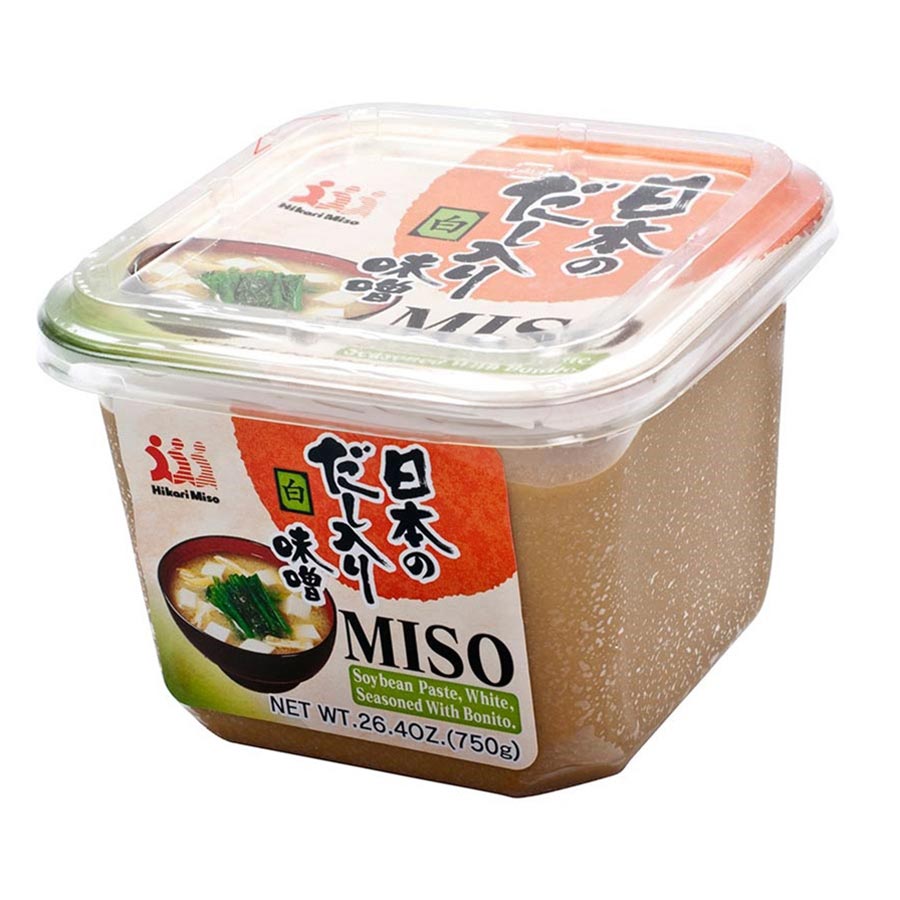
Miso is a traditional Japanese seasoning that has gained popularity worldwide for its unique flavor and numerous health benefits. Made from fermented soybeans, rice or barley, salt, and koji (a type of fungus), miso adds depth and umami to a variety of dishes. Here is an in-depth look at miso, its nutritional value, uses in cooking, and potential health benefits.
**Nutritional Value**
Miso is a nutrient-dense food that offers various essential vitamins and minerals. It is rich in protein, providing all the essential amino acids needed by the body. Miso also contains B vitamins such as B6 and folic acid, which are crucial for energy production and cell metabolism. Additionally, miso is a good source of minerals like manganese, copper, zinc, and phosphorus.
One important component of miso is probiotics – live beneficial bacteria that support gut health. The fermentation process involved in making miso creates these probiotics that aid digestion and promote a healthy gut microbiome.
**Uses in Cooking**
Miso’s versatility makes it a popular ingredient in both traditional Japanese cuisine and modern dishes around the world. It can be used as a base for soups like miso soup or added to marinades for meats or vegetables to impart savory flavors.
Miso paste comes in different varieties based on the length of fermentation – white miso (lightly fermented), yellow miso (medium-fermented), red miso (longer-fermented). Each type varies in flavor intensity – white being milder with sweet notes while red has stronger umami flavors.
Aside from savory dishes like dressings or glazes for fish or tofu, you can also experiment with using miso in desserts like cookies or caramel for an unexpected twist.
**Health Benefits**
1. **Digestive Health**: As mentioned earlier, the probiotics present in miso support gut health by promoting beneficial bacteria growth.
2. **Heart Health**: Some studies suggest that consuming fermented foods like miso may help lower cholesterol levels due to its high content of plant compounds called phytosterols.
3. **Antioxidant Properties**: The fermentation process increases antioxidant activity within miso which helps combat oxidative stress and inflammation.
4. **Immune System Support**: The probiotics found in fermented foods contribute to boosting immune function by maintaining gut health.
5. **Weight Management**: Miso’s high protein content can help increase satiety levels which may aid weight loss efforts when consumed as part of a balanced diet.
In conclusion,
Whether you are looking to enhance your culinary creations with its robust flavors or reap its potential health benefits – incorporating this ancient superfood into your diet could be a flavorful journey worth exploring!

Leave a Reply