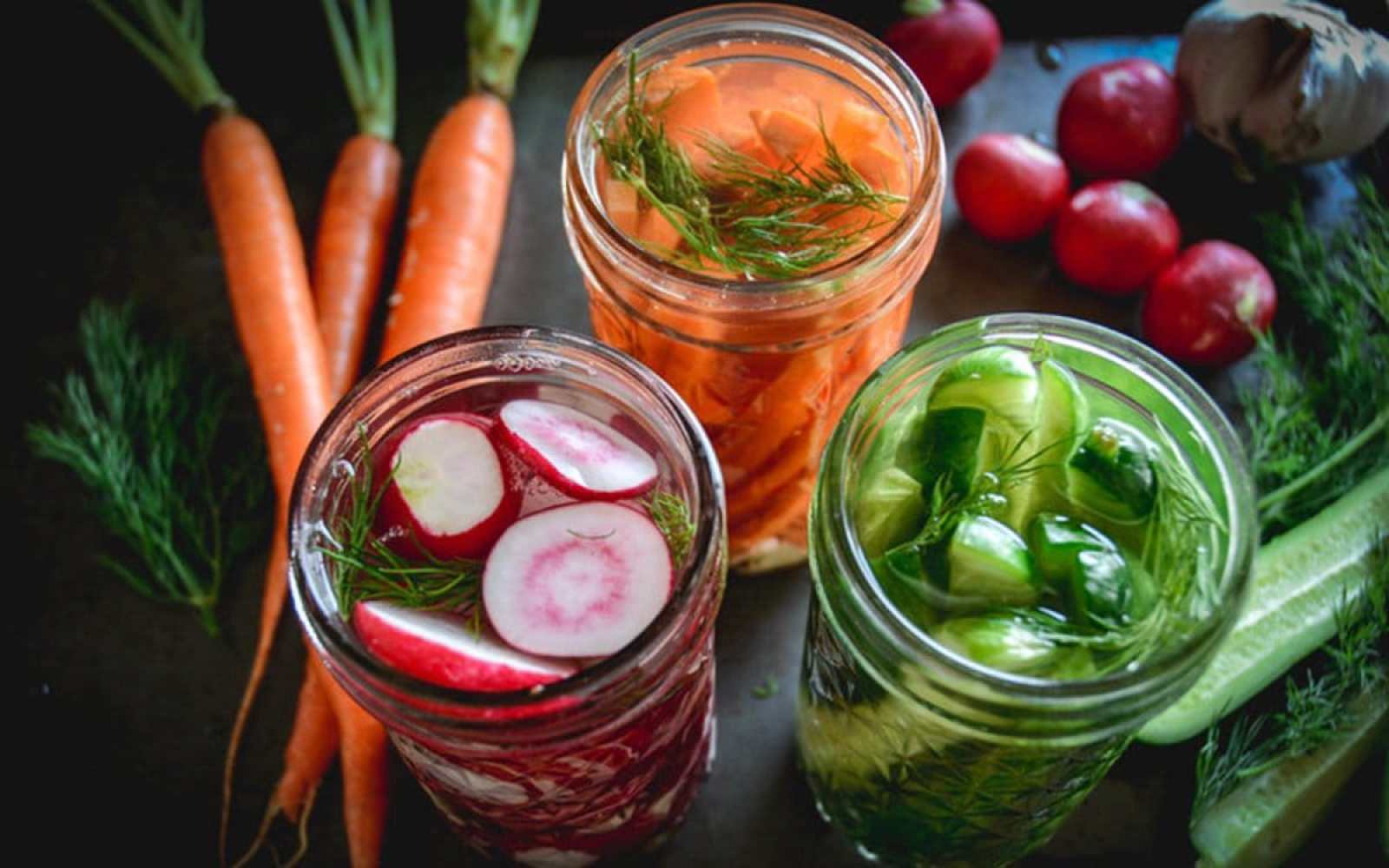
Probiotics are live bacteria and yeasts that are good for your health, especially your digestive system. We often think of bacteria as harmful organisms that cause diseases, but our bodies are actually filled with both good and bad bacteria. Probiotics are the beneficial bacteria that help keep our gut healthy by maintaining a balance between the good and bad bacteria.
One of the main sources of probiotics is fermented foods. Fermentation is a process in which natural bacteria feed on the sugar and starch in food, creating lactic acid. This process preserves the food while creating beneficial enzymes, B-vitamins, omega-3 fatty acids, and various strains of probiotics.
Yogurt is one of the most well-known sources of probiotics. It contains live cultures such as Lactobacillus bulgaricus and Streptococcus thermophilus. When choosing yogurt for its probiotic properties, it’s important to look for varieties that specifically mention containing live or active cultures on the label.
Kefir is another fermented dairy product that contains multiple strains of beneficial bacteria and yeast. It has a tangy taste similar to yogurt but is more liquid in consistency. Kefir can be made from cow’s milk, goat’s milk, or even coconut water for those who are lactose intolerant.
Sauerkraut is a type of fermented cabbage that originated in Germany but has gained popularity worldwide due to its probiotic benefits. The fermentation process not only increases the shelf life of cabbage but also enhances its nutrient content by adding beneficial bacteria like Lactobacillus.
Kimchi is a traditional Korean dish made from fermented vegetables like napa cabbage and radishes along with various seasonings like chili pepper, garlic, ginger, and scallions. Kimchi is known for its rich flavor profile as well as its abundance of probiotics that support gut health.
Miso paste is a staple ingredient in Japanese cuisine made from fermenting soybeans with salt and koji (a type of fungus). Miso soup is a popular way to consume miso paste while benefiting from its probiotic properties. Miso also adds a savory umami flavor to dishes when used as a seasoning or marinade.
Tempeh is an Indonesian soy-based product made by fermenting cooked soybeans with Rhizopus oligosporus mold culture. The fermentation process binds the beans into a firm cake-like texture with an earthy flavor profile. Tempeh not only provides plant-based protein but also offers probiotic benefits due to the fermentation process involved in its production.
In addition to these traditional fermented foods, there are also many commercially available probiotic supplements on the market today. These supplements come in various forms such as capsules, powders, or liquids and contain specific strains of beneficial bacteria known for their therapeutic effects on gut health.
The benefits of consuming foods rich in probiotics extend beyond just digestion. Research suggests that maintaining a healthy balance of gut flora can have positive effects on overall immune function, mental health, weight management, skin conditions like eczema, allergies, inflammation-related disorders like irritable bowel syndrome (IBS), and even heart health.
It’s important to note that individual responses to probiotics may vary based on factors such as age, diet quality, lifestyle habits (like stress levels), medical history (including antibiotic use), genetics influencing gut microbiota composition pre-existing conditions affecting gastrointestinal function among others; therefore consult healthcare provider before starting any new supplement regimen if you have concerns about how they could impact your personal wellbeing
Overall incorporating more naturally fermented foods into your diet can be an excellent way improving gut diversity promoting optimal Overall Health

Leave a Reply