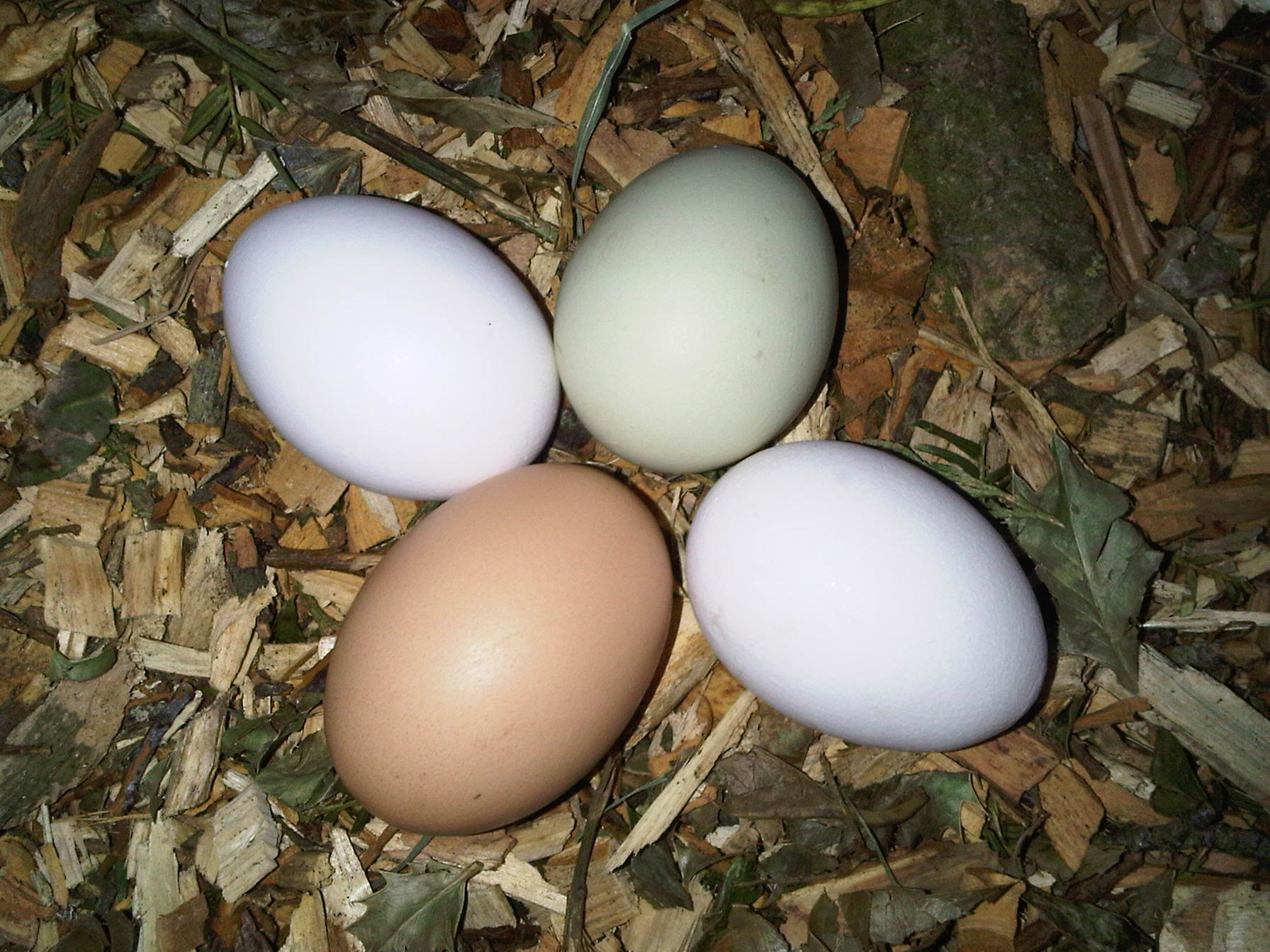
When it comes to eggs, the choice between free-range and conventional can have significant impacts on nutrition, animal welfare, and the environment. Free-range eggs are often touted as being more nutritious than their conventional counterparts. Studies have shown that free-range eggs contain higher levels of omega-3 fatty acids and vitamin D compared to eggs from caged hens. This is because free-range hens have access to a more varied diet that includes insects, plants, and seeds found outdoors.
In terms of animal welfare, free-range egg production allows hens to exhibit natural behaviors such as foraging, dust bathing, and roosting. This leads to healthier and happier birds compared to those kept in overcrowded cages with limited space to move around.
From an environmental perspective, choosing free-range eggs supports sustainable farming practices that prioritize land conservation and biodiversity. Free-range systems often involve rotational grazing methods that help improve soil health and reduce greenhouse gas emissions.
Consumers looking for assurance when purchasing free-range eggs should look for labeling certifications such as USDA Organic or Certified Humane. These labels guarantee that the hens were raised according to specific standards aimed at promoting animal welfare.
Small-scale free-range egg farmers face challenges such as high production costs, competition from larger operations, and limited access to distribution channels. However, supporting local producers helps promote sustainability by reducing food miles and supporting rural economies.
Overall, incorporating free-range eggs into your diet not only offers nutritional benefits but also contributes to better animal welfare practices and environmental sustainability in the food industry.

Leave a Reply