Cultivating a Positive Relationship with Food
Food is not just fuel for our bodies; it plays a significant role in our overall well-being and happiness. Cultivating a positive relationship with food goes beyond just what we eat – it involves how we think about food, how we feel about eating, and the behaviors we exhibit around food. In today’s fast-paced world filled with diet culture and conflicting nutrition information, it can be challenging to develop a healthy relationship with food. However, by following some key principles and practices, you can foster a positive connection with food that nourishes both your body and mind.
1. Practice Mindful Eating
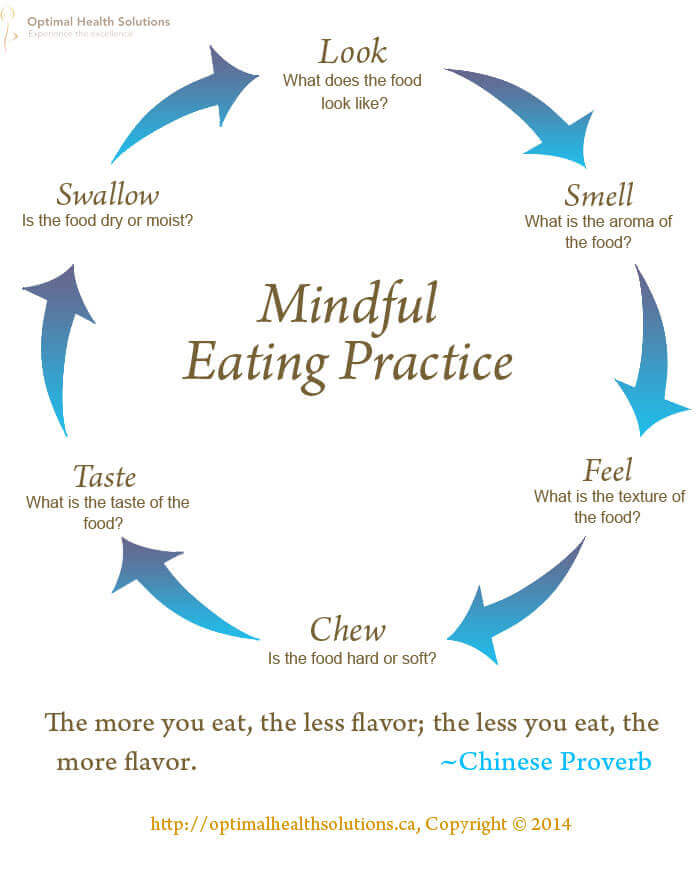
Mindful eating is the practice of being present while eating, paying attention to the sensory experience of each bite without judgment. This means savoring the flavors, textures, and aromas of your food and being aware of your body’s hunger cues. When you eat mindfully, you are more likely to enjoy your meals fully and avoid overeating or emotional eating.
To practice mindful eating:
– Eat slowly and chew your food thoroughly.
– Put away distractions such as phones or computers while eating.
– Take note of how different foods make you feel physically and emotionally.
– Listen to your body’s signals of hunger and fullness.
2. Ditch Restrictive Diets
Restrictive diets often lead to feelings of deprivation, guilt, and obsession with food. Instead of focusing on what you can’t eat, shift your mindset towards adding nourishing foods that make you feel good. Aim for balance in your meals by including a variety of fruits, vegetables, whole grains, lean proteins, and healthy fats.
3. Honor Your Cravings
Cravings are normal human experiences that should not be ignored or demonized. Depriving yourself of foods you crave may lead to binge-eating episodes later on. Instead of labeling certain foods as “good” or “bad,” allow yourself to enjoy all types of foods in moderation.
4. Avoid Labeling Foods
Labelling foods as “clean,” “cheat,” or “junk” only serves to create an unhealthy relationship with them. All foods have their place in a balanced diet – it’s the overall pattern that matters most.
5. Cook More Often
Preparing meals at home gives you control over the ingredients used in your dishes and allows you to appreciate the effort that goes into making nourishing meals for yourself or loved ones.
6.. Seek Professional Help if Needed
If struggles with disordered eating patterns persist despite efforts to improve your relationship with food on your own seek help from registered dietitians or therapists specializing in intuitive eating approaches.
7.. Practice Self-Compassion
Be kind to yourself when it comes to making choices around food – nobody is perfect! Accept slip-ups as part of the learning process rather than beating yourself up over them.
8.. Be Patient With Yourself
Cultivating a positive relationship with food takes time & patience – don’t expect immediate results but celebrate small wins along the way.
By incorporating these practices into your daily life consistently over time,& embracing an attitude rooted in self-love & respect towards ourselves,you will gradually develop a healthier & more positive relationship-with-food-that-nourishes both body-and-mind long term . Remember,it’s not just what-you-eat-that-matters-but also-how-you-think-about-and-feel-around-food-that-counts-in cultivating-a-truly-sustainable-&-positive approach-to-nutrition-& wellness!

Leave a Reply