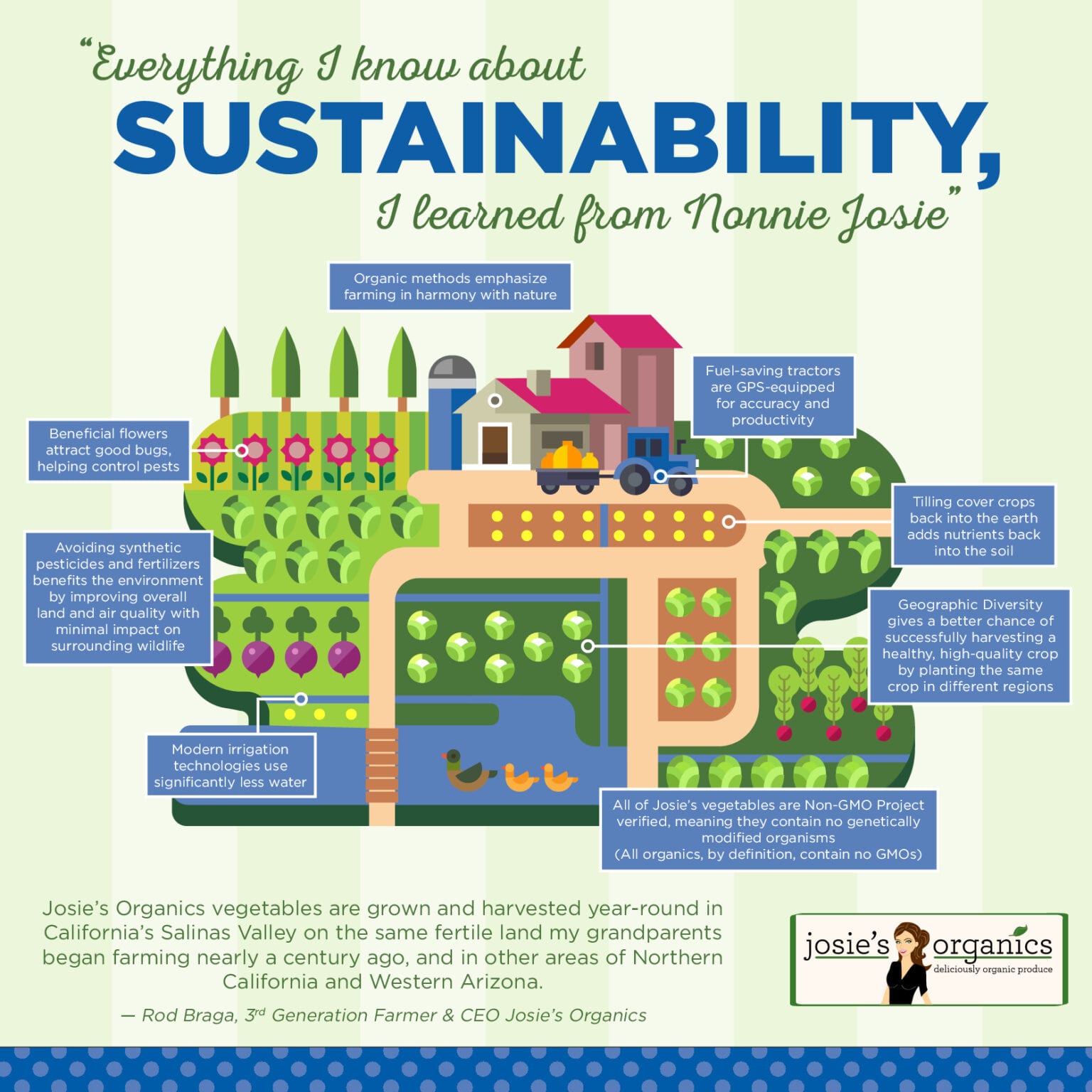
Farming practices play a crucial role in ensuring the quality and sustainability of our food supply. By implementing environmentally-friendly and ethical farming methods, we can not only produce nutritious food but also protect our planet for future generations.
One important aspect of sustainable farming is crop rotation. This practice involves planting different crops in the same field each season. Crop rotation helps to maintain soil fertility, prevent the buildup of pests and diseases, and reduce the need for chemical fertilizers and pesticides. By rotating crops, farmers can also improve soil structure and water retention, leading to healthier plants and higher yields.
Another sustainable farming practice is integrated pest management (IPM). IPM focuses on preventing pest problems through a combination of techniques such as crop rotation, using beneficial insects, maintaining healthy soil conditions, and utilizing traps or barriers. By minimizing reliance on synthetic pesticides, farmers can protect beneficial insects and pollinators while still effectively managing pests.
Furthermore, agroforestry is gaining popularity as a sustainable farming practice that combines trees with agricultural crops or livestock production. Agroforestry systems provide numerous benefits including improved soil health, increased biodiversity, carbon sequestration, and enhanced resilience to climate change. Trees planted on farms can help regulate temperature extremes, provide shade for livestock or crops, prevent erosion, and even offer additional sources of income through timber or fruit production.
By adopting these sustainable farming practices – crop rotation, integrated pest management, agroforestry – farmers can promote healthy ecosystems while producing nutritious food for consumers. Supporting local farmers who prioritize sustainability in their practices can also contribute to a more resilient food system that benefits both people’s health and the environment.

Leave a Reply