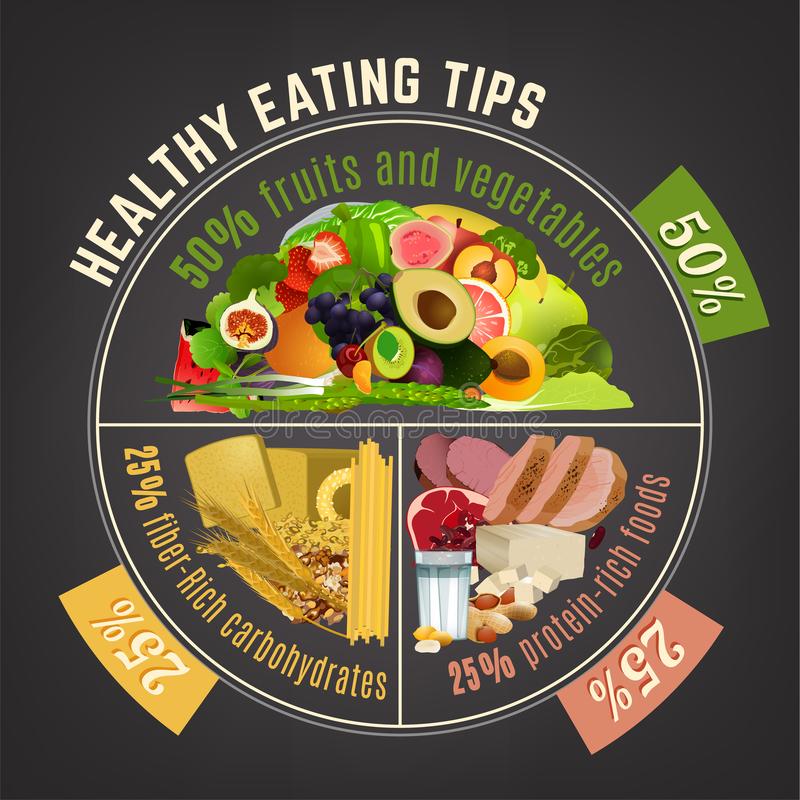
Portion control is a crucial aspect of maintaining a healthy diet and managing weight. It can be particularly challenging in various situations such as dining out, during holidays, for athletes, seniors, busy parents, and more. Let’s explore how portion control can be implemented effectively in different scenarios to promote better eating habits.
For picky eaters, portion control can help ensure they are getting the necessary nutrients despite limited food choices. By offering small portions of diverse foods at each meal, picky eaters can gradually expand their palate while still receiving balanced nutrition.
When dining out, it’s easy to overindulge due to large restaurant portions. To combat this, consider sharing meals with others or opting for appetizers or half-portions. Additionally, requesting a to-go box when the meal arrives and putting away half of it before starting to eat can help manage portion sizes.
Vegetarians may face challenges with portion control due to an abundance of carb-heavy options like pasta and bread. Focusing on incorporating protein-rich foods like legumes, tofu, and nuts into meals can help maintain satiety with smaller portions.
During holidays when indulgent foods are abundant, practicing mindful eating and savoring treats in moderation is key. Planning ahead by filling up on healthier options like fruits and vegetables before holiday gatherings can also prevent overeating.
Athletes have unique nutritional needs but still benefit from portion control to optimize performance. Balancing macronutrients based on activity level and fueling workouts with proper portions of carbohydrates and proteins is essential for athletic success.
Seniors often have decreased caloric needs but still require nutrient-dense foods for overall health. Using smaller plates to create the illusion of larger portions and focusing on high-fiber foods can help seniors meet their nutritional requirements without overeating.
Emotional eating can lead to consuming large quantities of unhealthy foods as a coping mechanism. Building awareness around emotional triggers and finding alternative ways to manage emotions besides food is crucial for practicing portion control in these situations.
Busy parents juggling multiple responsibilities may find it challenging to prioritize healthy eating habits for themselves and their families. Meal prepping in advance allows for portion-controlled homemade meals that cater to individual preferences while saving time during hectic weekdays.
Incorporating intermittent fasting as part of a portion control strategy has gained popularity for its potential health benefits including weight management and improved metabolism regulation. By restricting eating windows or reducing overall calorie intake within set time frames, individuals can practice disciplined portion control.
Overall, regardless of the circumstances – whether traveling or cooking for one – being mindful of portion sizes plays a significant role in promoting healthy eating habits. By understanding individual needs based on lifestyle factors and making conscious choices about food intake, achieving optimal wellness through effective portion control becomes attainable across various settings.

Leave a Reply