Digestive health is a crucial aspect of overall well-being, as it plays a significant role in nutrient absorption, immune function, and even mental health. When our digestive system is functioning optimally, we are better able to extract nutrients from the foods we eat, maintain a strong immune system to fight off infections and diseases, and support our mental clarity and emotional balance.
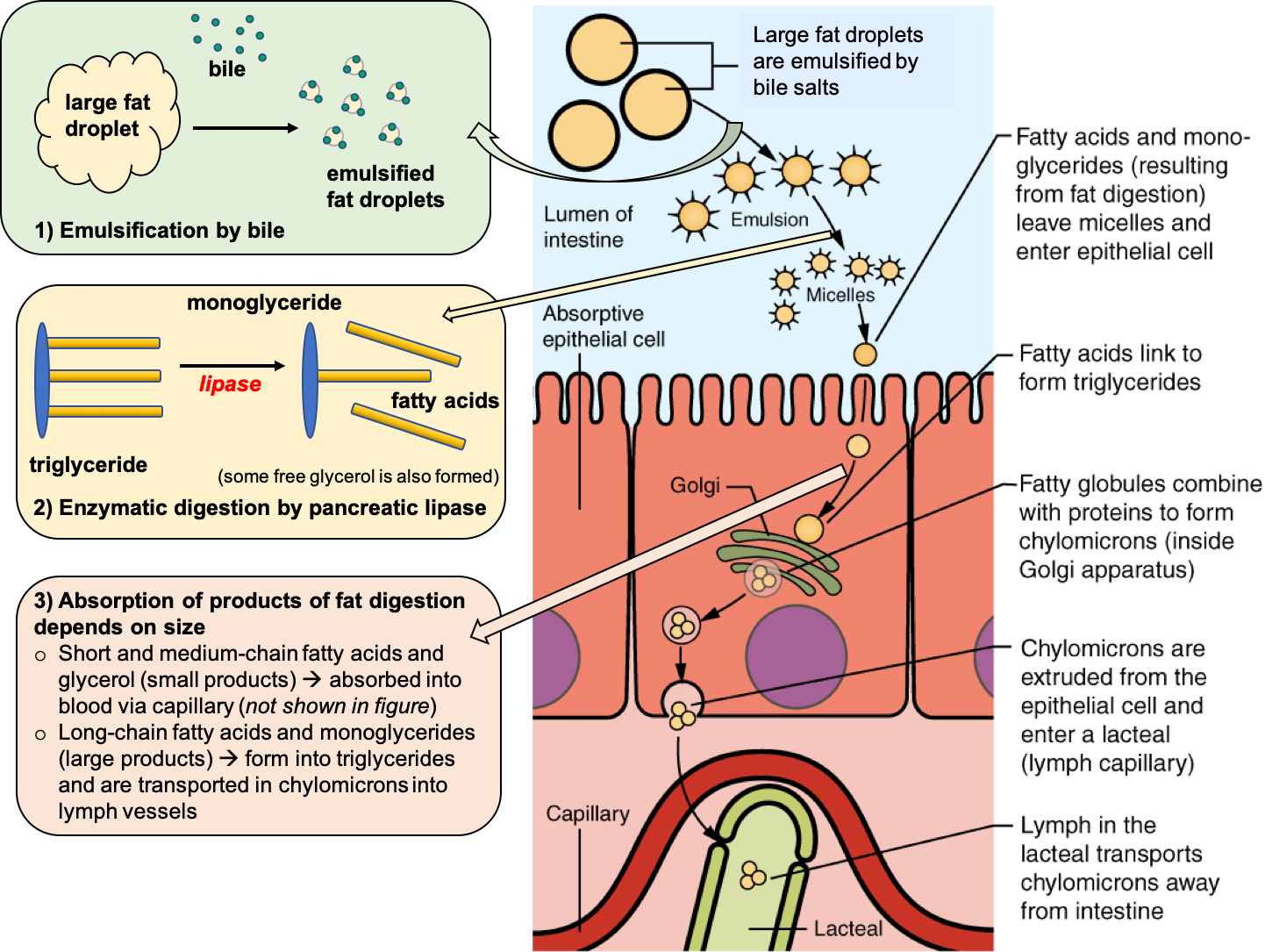
One of the key benefits of maintaining good digestive health is improved nutrient absorption. The digestive system breaks down food into its basic components – proteins, carbohydrates, fats, vitamins, and minerals – which are then absorbed by the body to fuel various bodily functions. A healthy gut lining with sufficient beneficial bacteria ensures efficient nutrient absorption. When digestion is impaired due to issues like leaky gut syndrome or imbalanced gut flora, nutrient absorption may be compromised leading to deficiencies that can negatively impact overall health.
Furthermore, a healthy digestive system supports a robust immune function. The gut houses about 70% of the body’s immune cells; hence, it serves as an essential barrier against pathogens entering the body through food or drink. Probiotics present in the gut play a vital role in supporting immune function by crowding out harmful bacteria and aiding in antibody production. By maintaining a balanced gut microbiome through probiotic-rich foods like yogurt or fermented vegetables and prebiotic fiber sources such as fruits, vegetables, whole grains, and legumes – one can fortify their immune defenses.
In addition to physical health benefits, optimal digestive health also impacts mental well-being. The gut-brain connection highlights how closely linked our gastrointestinal tract is with cognitive function and emotional stability. Serotonin – often referred to as the “happy hormone” – primarily produced in the intestines influences mood regulation among other functions within the body. An imbalance in gut bacteria has been associated with conditions like anxiety and depression highlighting how prioritizing digestive health can positively influence mental wellness.
Several dietary choices can promote good digestive health including consuming high-fiber foods such as fruits, vegetables, whole grains; staying hydrated; limiting processed foods high in sugars; incorporating probiotic-rich foods like yogurt or kefir into your diet; managing stress levels which can impact digestion; exercising regularly to aid digestion processes; avoiding smoking which can harm the gastrointestinal tract; getting enough sleep for proper bodily functions including digestion.
In conclusion
Prioritizing digestive health offers multifaceted benefits beyond just ensuring smooth bowel movements but extends towards enhancing nutrient uptake for bodily functions while supporting immunity against illnesses alongside fostering positive mental well-being through its intricate connection with brain activity.

Leave a Reply