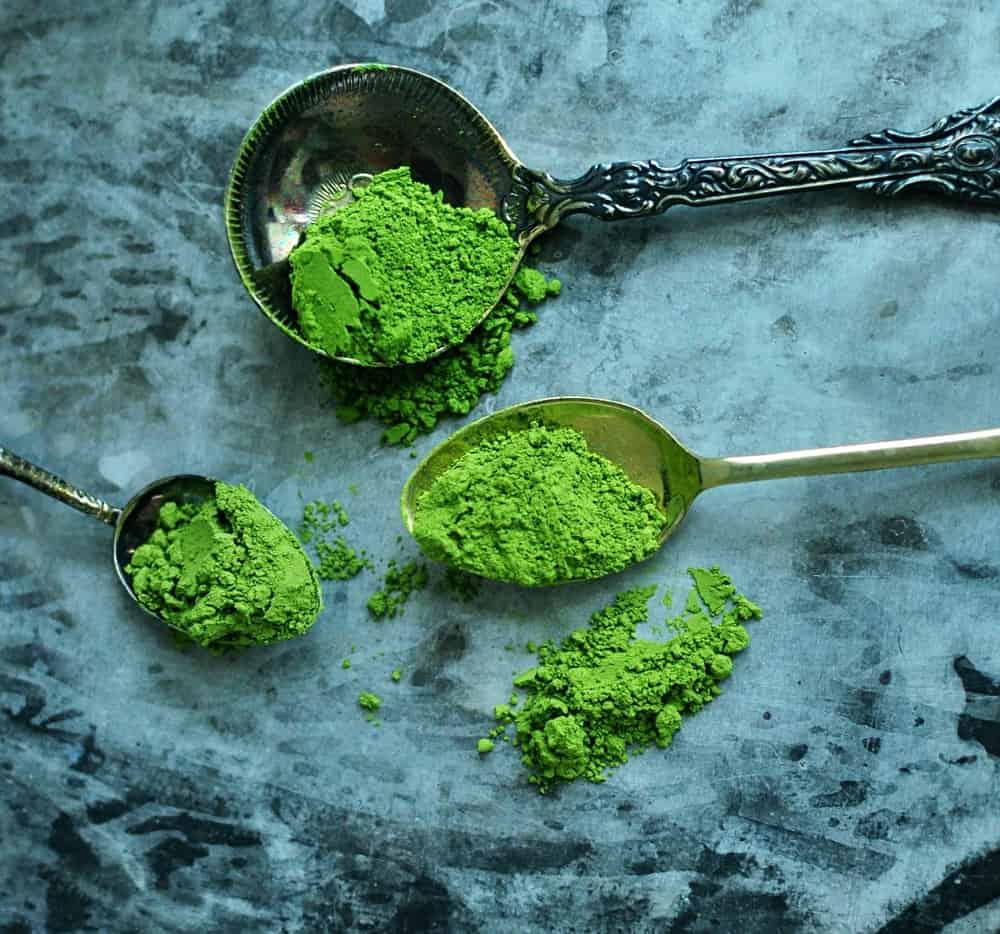
Matcha powder quality is essential when it comes to enjoying the full benefits of this vibrant green tea powder. Here are some key points to consider when evaluating the quality of Matcha powder:
1. **Color**: High-quality Matcha should have a vibrant, bright green color. This indicates that the leaves were shade-grown before harvesting, which helps in enhancing chlorophyll content and giving Matcha its distinctive hue.
2. **Texture**: Quality Matcha powder should feel finely ground and smooth to the touch. Inferior versions may contain coarse particles or clumps, indicating poor grinding techniques or processing methods.
3. **Aroma**: A fresh and grassy aroma is characteristic of good quality Matcha powder. The scent should be inviting and not overly bitter or stale.
4. **Origin**: Where the Matcha is sourced from can also impact its quality. Japanese Matcha, particularly from regions like Uji or Nishio, are known for their superior taste and quality due to ideal growing conditions and meticulous production processes.
5. **Grade**: There are different grades of Matcha available, with ceremonial grade being the highest quality meant for traditional tea ceremonies. Culinary grade is more commonly used in cooking and baking but can still be high quality if sourced from reputable producers.
6. **Price**: While price isn’t always an indicator of quality, extremely cheap Matcha powders are likely to be lower in quality due to shortcuts taken during production processes.
7. **Packaging**: Quality Matcha is usually sold in airtight packaging that protects it from light and moisture exposure, preserving its freshness and flavor.
8. **Taste**: Ultimately, taste is one of the best indicators of Matcha powder quality – it should have a balanced umami flavor with subtle sweetness and no bitterness.
By considering these factors when selecting your Matcha powder, you can ensure that you’re getting a high-quality product that will enhance both your culinary creations and your daily wellness routine.

Leave a Reply