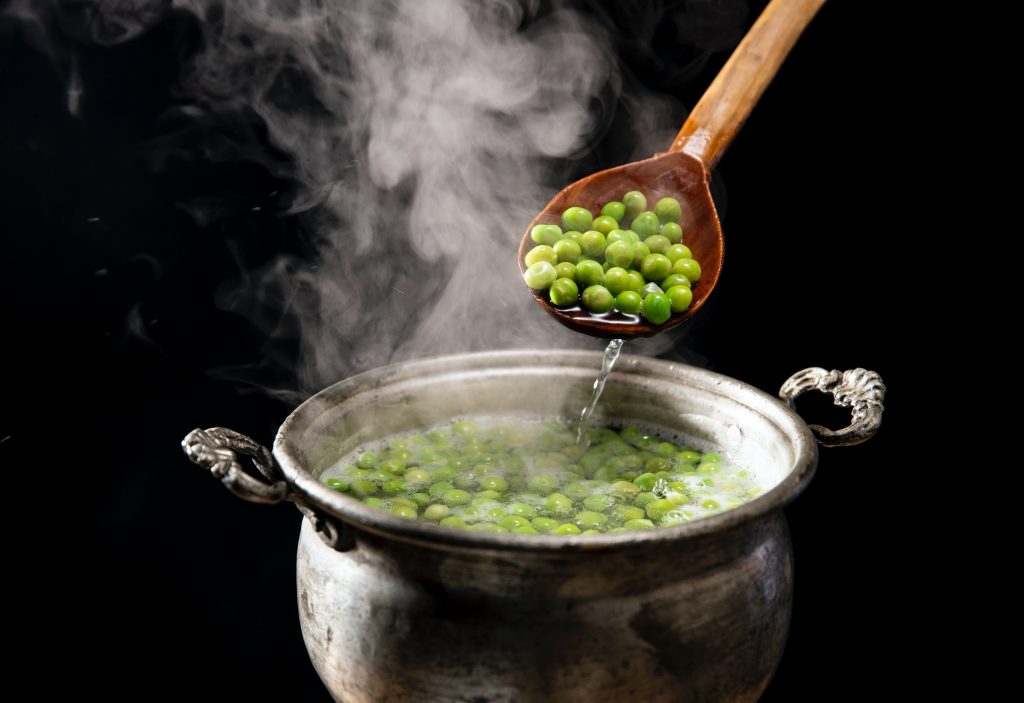
Boiling is one of the most fundamental cooking techniques, utilized in kitchens around the world for centuries. It involves immersing food in boiling water or another liquid until it reaches a specific level of doneness. While it may seem simple, boiling has its own set of advantages and disadvantages that can significantly impact the nutritional value and taste of your dishes.
One of the primary benefits of boiling is that it’s a gentle cooking method that helps retain nutrients in food. Unlike frying or grilling, which can lead to nutrient loss due to high heat exposure, boiling allows food to cook in hot water without direct contact with flames. This makes it an ideal option for preserving the vitamins and minerals present in vegetables, meats, and grains.
When you boil food, especially vegetables, you’re also less likely to add excessive amounts of unhealthy fats or oils since you’re using water as the cooking medium. This makes boiled dishes lower in calories and fats compared to those prepared with other methods like sautéing or deep-frying. Additionally, because boiled foods are cooked without added fats, they are generally easier on digestion and can be beneficial for individuals with sensitive stomachs.
Another advantage of boiling is its ability to soften tough cuts of meat and fibrous vegetables through long simmering times. Tough meats such as stew beef or pork shoulder become tender when slowly cooked in simmering water over time. Similarly, fibrous vegetables like carrots or broccoli soften during boiling, making them more palatable for those who have difficulty chewing or digesting raw veggies.
Boiling can also be an excellent way to infuse flavors into your dishes by incorporating herbs, spices, and seasonings into the cooking liquid. As ingredients simmer together during the boiling process, their flavors meld together creating a rich broth that enhances the overall taste of your meal. For example: adding garlic cloves and bay leaves while preparing boiled potatoes can impart a subtle yet delicious flavor profile to this otherwise plain side dish.
Furthermore, boiling is a versatile technique that can be used with various types of foods—from pasta and rice to eggs and seafood—making it suitable for different cuisines worldwide. Whether you’re whipping up a classic Italian pasta dish or preparing traditional Asian dumplings at home, boiling offers a straightforward approach that yields consistently satisfying results.
While there are many benefits associated with boiling food items; however; there are some drawbacks worth considering as well:
– One common concern related to boiling is nutrient leaching where certain vitamins such as vitamin C dissolve into the cooking water when subjected to high temperatures for extended periods. To minimize nutrient loss from boiled foods; consider using minimal amounts of water; opting for shorter cooking times; retaining leftover broth for soups; sauces; or gravies after draining excess liquids.
– Another drawback is flavor dilution where some ingredients might lose their original taste due to prolonged exposure within hot liquids resulting from over-boiling causing blandness instead.
– Overboiling may also lead to textural changes where delicate fruits/vegetables get mushy while proteins become rubbery losing their desirable texture profiles destroying palatability aspects potentially.
To make sure these issues don’t affect your final dish negatively: Try monitoring your pots closely while they boil so you catch any signs early enough before damage occurs thus ensuring optimal outcomes always!
In conclusion Boiling remains an essential culinary technique offering numerous benefits including nutrient retention ease preparation versatility enhanced flavor infusion amongst others still remember practicing moderation following best practices kitchen hygiene safety guidelines achieving desired results every time!

Leave a Reply