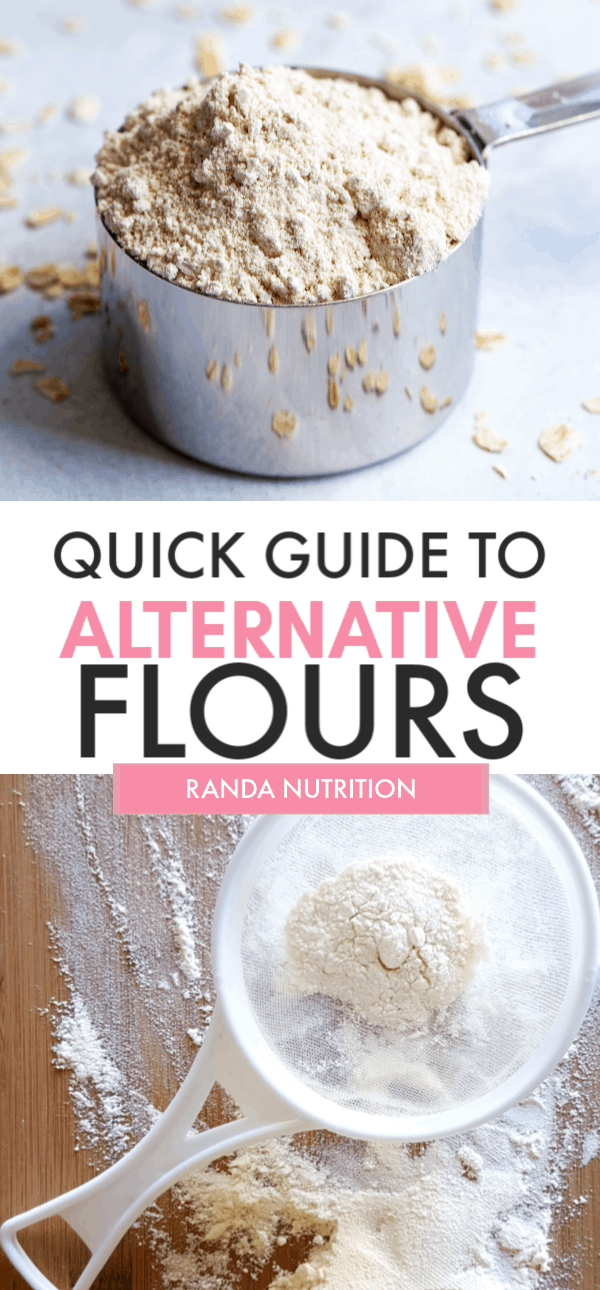
Gluten-Free Baking with Alternative Flours
If you’re following a gluten-free diet, baking can be a bit challenging since traditional wheat flour is off-limits. However, there are plenty of alternative flours that can be used to create delicious gluten-free treats. Here are some popular options and tips for successful gluten-free baking:
1. **Almond Flour**: Almond flour is a popular choice for gluten-free baking as it adds a slightly nutty flavor and moist texture to baked goods. It works well in recipes like muffins, cookies, and cakes.
2. **Coconut Flour**: Coconut flour is high in fiber and low in carbs, making it a good option for those looking for a healthier alternative. It absorbs more liquid than other flours, so you’ll need to adjust the amount of liquid in your recipe accordingly.
3. **Oat Flour**: Oat flour can be made by grinding oats in a blender or food processor until they form a fine powder. It has a mild flavor and works well in recipes like pancakes, waffles, and quick breads.
4. **Rice Flour**: Rice flour comes in both white and brown varieties and is often used in combination with other flours to improve the texture of baked goods.
5. **Quinoa Flour**: Quinoa flour is high in protein and has a slightly earthy flavor that works well in bread and pizza crust recipes.
6. **Chickpea Flour (Garbanzo Bean Flour)**: Chickpea flour has a strong flavor but works well in savory dishes like socca (a type of flatbread) or as a thickening agent for soups and stews.
When using alternative flours for gluten-free baking, keep these tips in mind:
– Use xanthan gum or guar gum as binders to help mimic the elasticity of gluten.
– Experiment with different combinations of flours to achieve the desired texture.
– Add extra moisture sources like applesauce or yogurt to prevent dryness.
– Be mindful of potential cross-contamination if you have celiac disease by choosing certified gluten-free products.
– Consider adding additional eggs or egg replacers like ground flaxseeds mixed with water for structure.
With these tips and alternative flours at your disposal, you can enjoy delicious homemade baked goods while staying true to your gluten-free lifestyle!

Leave a Reply