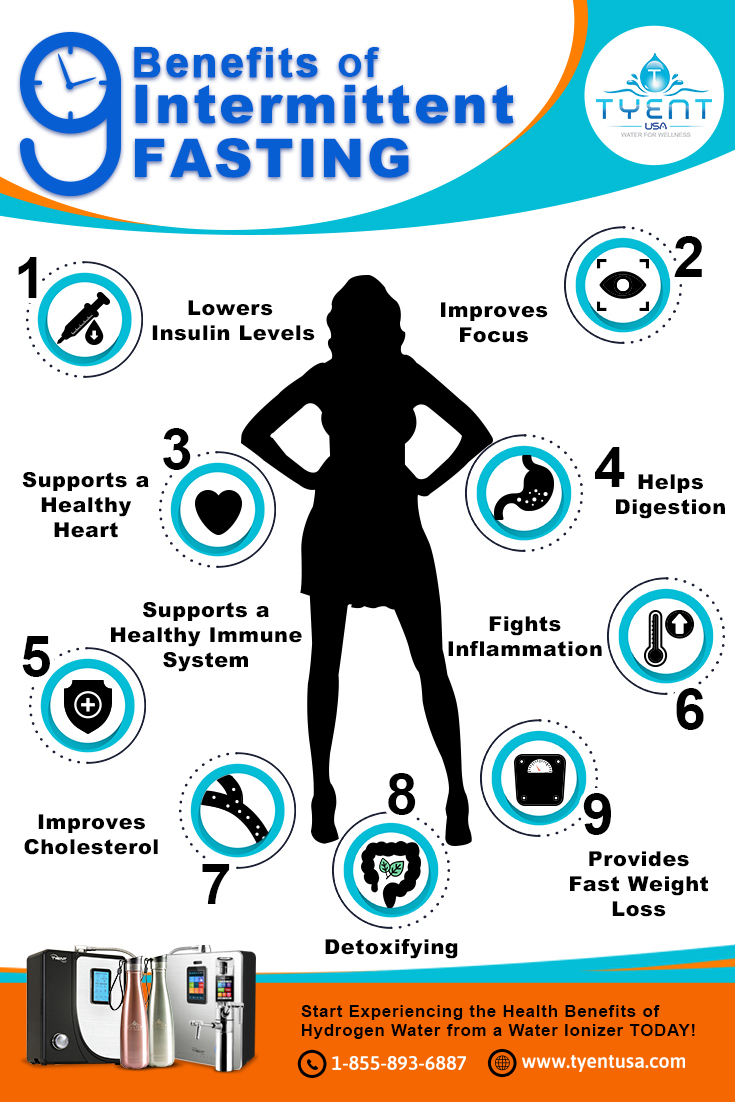
Fasting has been gaining popularity in recent years as a way to improve health, promote weight loss, and boost mental clarity. There are various fasting methods that cater to different lifestyles and goals. In this post, we will explore some of the most popular fasting techniques and their potential benefits.
1. **16/8 Fasting Method**: This method involves fasting for 16 hours a day and restricting your eating window to 8 hours. It is one of the simplest forms of intermittent fasting and can be easily incorporated into daily life. During the eating window, it’s important to focus on nutritious foods to make the most out of this fasting technique.
2. **Warrior Diet**: The Warrior Diet involves consuming small amounts of raw fruits and vegetables during the day and having one large meal at night within a 4-hour eating window. This method is inspired by ancient warriors’ eating patterns, emphasizing undereating during the day and overeating at night.
3. **Alternate Day Fasting**: With alternate day fasting, you alternate between days of regular eating and very low-calorie intake or complete fasting. This approach can be challenging for some people but has shown promising results in terms of weight loss and improving insulin sensitivity.
4. **OMAD (One Meal a Day)**: As the name suggests, OMAD involves consuming all your daily calories within a single meal each day while fasting for the remaining hours. This method simplifies meal planning but requires careful consideration to ensure you meet your nutritional needs in one sitting.
5. **5:2 Diet**: The 5:2 diet consists of eating normally for five days a week and significantly reducing calorie intake on two non-consecutive days (usually around 500-600 calories). This pattern may help with weight loss while still allowing flexibility on non-fasting days.
6. **Eat Stop Eat**: Developed by Brad Pilon, Eat Stop Eat involves incorporating one or two 24-hour fasts per week alongside regular eating days. This approach aims to create an energy deficit without strict calorie counting every day.
7. **Spontaneous Meal Skipping**: Some individuals naturally practice spontaneous meal skipping where they listen to their body’s hunger cues and skip meals when they’re not hungry. While not a structured fasting method, occasional meal skipping can still offer benefits like improved digestion and metabolic flexibility.
8-9-10-11: Fasting holds different considerations for women, athletes, weight loss seekers, mental clarity enthusiasts:
**Fasting for Women:** Women may experience hormonal fluctuations that could impact how they respond to fasting protocols differently than men do; hence consulting with healthcare providers before embarking on any extended fasts is crucial.
**Fasting for Athletes:** Athletes need adequate nutrition to support their physical performance; therefore, timing fasts strategically around training sessions or focusing more on nutrient-dense foods during feeding windows becomes essential.
**Fasting for Weight Loss:** Intermittent fasting can aid weight loss by creating an environment conducive to burning fat reserves; however combining it with balanced meals rich in nutrients ensures sustainable progress towards achieving weight-related goals.
**Fasting for Mental Clarity:** Many individuals report increased focus and mental clarity when practicing intermittent fasting due to stabilized blood sugar levels throughout the day; experimenting with different methods helps identify what works best individually.
12-13-14-15: Delving deeper into specific aspects related to health outcomes:
**Autophagy & Fasting:** Autophagy is cellular repair processes activated during times of stress like caloric restriction or fasting; tapping into these mechanisms through periodic fasts potentially offers anti-aging benefits along with improved cellular function.
**Gut Health & Fasting:** Giving our digestive system periods of rest through intermittent fasting allows gut lining repair & promotes diversity among gut microbes which positively influences overall gut health.
**Insulin Sensitivity & Fasting:** By reducing food intake frequency & managing portion sizes better through controlled dietary timings like those followed in intermittent fasts enhances insulin sensitivity aiding better blood sugar regulation thereby lowering diabetes risk factors.
**Muscle Preservation & Fasting:** When combined strategically with resistance training regimens & sufficient protein consumption during feeding windows – intermittent fasts have shown muscle preservation qualities even amidst caloric deficits aiding body composition maintenance goals effectively
16: Looking at long-term implications:
**Longevity Benefits & Fasts**: Caloric restriction via periodic fasts has been linked with longevity promoting effects especially concerning slowing down age-related degeneration processes within cells showing promise towards living longer healthier lives
17-18: Exploring variations involving specific types:
**Bone Broth/Bulletproof Coffee Fastings**
While bone broth provides essential nutrients during liquid-only phases ensuring electrolyte balance remains intact – bulletproof coffee fats aim at providing sustained energy from healthy fats potentially making longer durations easier while keeping hunger pangs at bay
19: Extending possibilities further
Extended Fast Experiments
For those seeking advanced benefits – extended fast protocols ranging from several days up-to weeks require meticulous planning under professional guidance ensuring proper hydration nutrient supplementation – such prolonged durations warrant close monitoring due inherent risks involved
In conclusion:
Intermittent Fasts coupled strategic dietary choices tailored individual requirements hold potentials transform wellness journeys offering array benefits ranging from physical mental enhancements till longevity markers – finding balance lifestyle adherence key deriving maximum advantages offered diverse range approaches available today

Leave a Reply