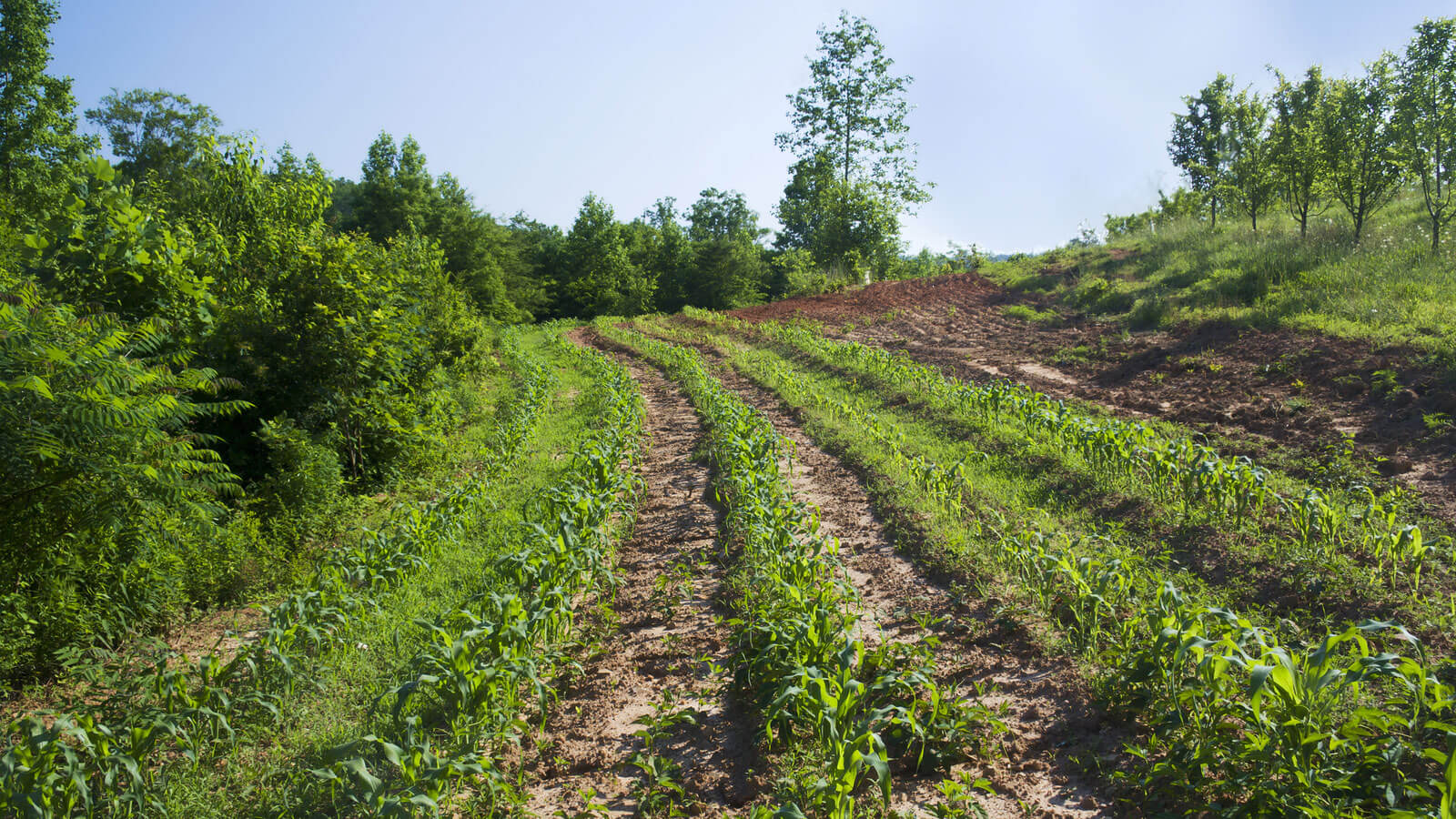
Non-GMO farming practices have been gaining popularity in recent years as people become more conscious of what they are putting into their bodies. Here are the top 15 non-GMO farming practices that promote healthy eating and sustainable agriculture:
1. Crop Rotation: By rotating crops, farmers can naturally prevent pests and diseases without relying on GMO seeds.
2. Cover Cropping: Planting cover crops helps improve soil fertility and reduce the need for synthetic fertilizers.
3. Composting: Using compost instead of chemical fertilizers adds nutrients to the soil and promotes healthy plant growth.
4. Integrated Pest Management (IPM): IPM techniques involve using natural predators, traps, and other methods to control pests without GMO pesticides.
5. Polyculture Farming: Growing a variety of crops together can help reduce the risk of crop failure and increase biodiversity on the farm.
6. Agroforestry: Integrating trees into agricultural systems can provide shade, windbreaks, and additional sources of income for farmers.
7. Water Conservation: Implementing water-saving techniques like drip irrigation or rainwater harvesting reduces water usage on farms.
8. No-Till Farming: By avoiding tilling, farmers can protect soil structure and reduce erosion while sequestering carbon in the soil.
9. Non-GMO Seeds: Choosing non-GMO seeds ensures that crops are grown without genetic modification.
10. Beneficial Insects: Encouraging beneficial insects like ladybugs or lacewings helps control pest populations naturally.
11. Organic Farming Practices: Following organic standards prohibits the use of GMOs and promotes environmentally friendly farming methods.
12. Non-Toxic Weed Control Methods: Using mulch, hand weeding, or flame weeding instead of herbicides keeps fields free from weeds without chemicals.
13. Biodiversity Promotion: Supporting diverse ecosystems on farms through wildflower plantings or hedgerows can boost pollinator populations and overall farm health.
14. Non-GMO Certification Programs: Farmers can seek out certification from organizations like Non-GMO Project to ensure their products meet non-GMO standards for consumers looking to avoid genetically modified foods
15.Educating Consumers – Raising awareness about non-GMO farming practices among consumers is essential in promoting a market demand for these products.
By implementing these non-GMO farming practices, farmers can produce high-quality food while protecting the environment and promoting sustainable agriculture for generations to come.

Leave a Reply