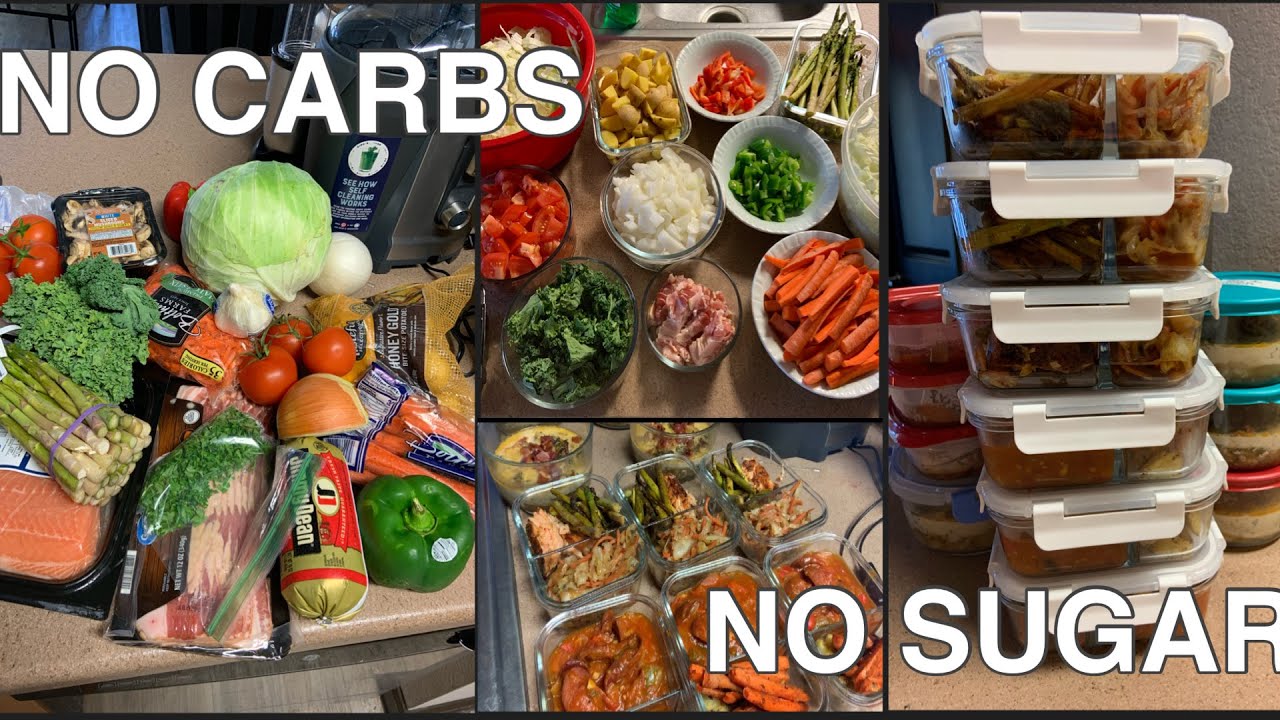
Are you tired of feeling sluggish and irritable after indulging in sugary meals? Have you been wanting to make healthier choices but struggle to find low-sugar meal prep ideas that are both satisfying and delicious? Look no further! We’ve got you covered with some practical tips to help you navigate the world of low-sugar meal prep like a pro.
1. Embrace Whole Foods: When it comes to reducing sugar intake, opting for whole foods is key. Fruits, vegetables, lean proteins, and whole grains should be the foundation of your meals. These foods are not only nutrient-dense but also naturally low in added sugars. Try incorporating a variety of colorful fruits and veggies into your meal prep to ensure you’re getting a wide range of vitamins and minerals without the unwanted sugar spike.
2. Plan Ahead: One of the best ways to stay on track with low-sugar eating is by planning your meals ahead of time. Take some time each week to sit down and map out what you’ll be eating for breakfast, lunch, dinner, and snacks. This will not only save you time during busy weekdays but also prevent impulsive food choices that may derail your efforts to cut back on sugar.
3. Swap Out Sugary Condiments: Many condiments such as ketchup, BBQ sauce, salad dressings, and marinades are loaded with hidden sugars. To keep your meals low in sugar, opt for homemade versions or look for store-bought options with little or no added sugars. You can experiment with using fresh herbs, spices, citrus juices, or vinegar to add flavor without compromising on taste.
4. Choose Healthy Fats: Healthy fats like avocados, nuts, seeds, olive oil, and fatty fish can help keep you satiated while adding depth and richness to your meals. Incorporating these fats into your meal prep can help balance out flavors and reduce cravings for sugary treats later on.
5. Sweeten Smartly: While it’s best to reduce overall sugar consumption wherever possible, there are times when a touch of sweetness is desired in certain dishes or beverages. Opt for natural sweeteners like stevia or monk fruit extract instead of refined sugars when looking to add a hint of sweetness without spiking blood sugar levels.
6. Snack Wisely: Instead of reaching for sugary snacks when hunger strikes between meals, prepare healthy snack options ahead of time so that you always have nutritious choices readily available. Nuts/seeds mixes; veggie sticks with hummus; Greek yogurt with berries; hard-boiled eggs; or homemade energy balls made from dates/nuts/seeds are all great low-sugar snack options.
7.Cook at Home: By cooking more meals at home rather than relying on takeout or processed convenience foods,you have better control over the ingredients used in your dishes.This enables you not only reduce added sugars,but also manage portion sizes which plays an important role in maintaining balanced blood sugar levels throughout the day
Remember that transitioning towards a lower-sugar diet is a journey that requires patience,determination,and experimentation.Be kind yourself along the way,and celebrate small victories as they come.These tips will provide a good starting point as well as inspiration as embark on this path towards healthier,eating habits.

Leave a Reply