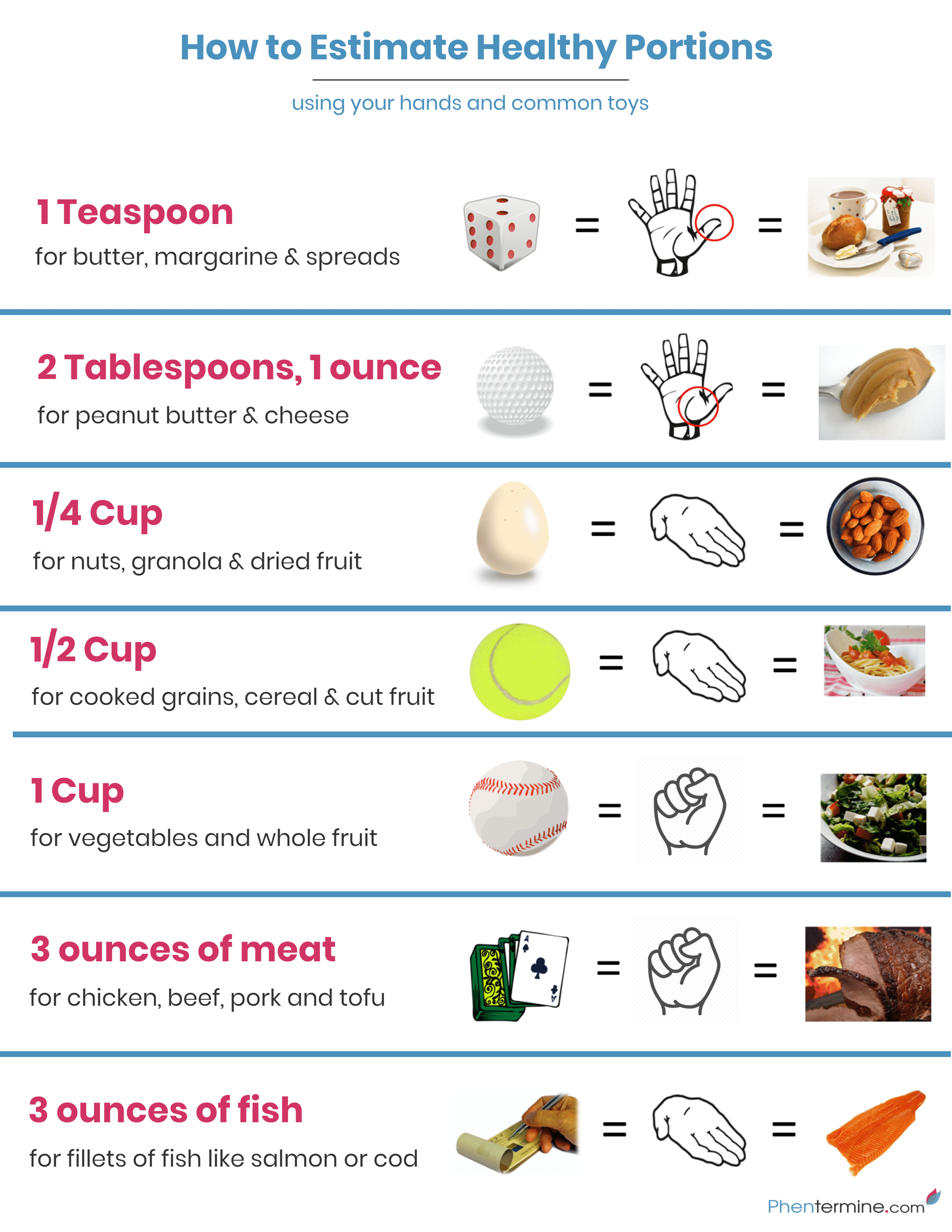
Portion control is a key aspect of maintaining a healthy diet and managing weight. By being mindful of the amount of food we consume, we can prevent overeating and ensure that our bodies receive the right balance of nutrients. Here are some practical tips and tricks for practicing portion control in various aspects of your daily life.
Using smaller utensils is a simple yet effective way to control portion sizes. Research has shown that using smaller plates, bowls, and utensils can help reduce calorie intake by encouraging smaller serving sizes. When we eat from larger dishes, we tend to serve ourselves more food than we actually need. By downsizing your dinnerware, you can trick your brain into thinking you’re eating more than you really are.
Mindful chewing techniques can also aid in portion control by allowing you to savor and fully enjoy your food. Chewing slowly gives your body time to register feelings of fullness, which can prevent overeating. Try putting down your utensil between bites, chewing each mouthful thoroughly, and taking breaks during meals to assess your hunger levels.
When it comes to condiments, it’s easy to underestimate how many calories they add to our meals. To practice portion control with condiments like ketchup, mustard, mayo, or salad dressing, use measuring spoons or small ramekins to portion out servings instead of pouring directly onto your food. This way, you can enjoy the flavors without going overboard on calories.
Dining out can present challenges for those trying to watch their portions. Restaurants often serve oversized meals laden with hidden fats and sugars. To navigate dining out while still practicing portion control, consider sharing an entree with a dining companion or asking for a takeout box at the beginning of the meal to pack up half before even starting.
Snacking mindlessly throughout the day can quickly add up in terms of caloric intake. To manage snack portions effectively, pre-portion snacks into small bags or containers when buying them in bulk. This way, you’ll be less likely to eat more than intended in one sitting.
Holidays are notorious for indulgent feasting that can derail even the most disciplined eater’s efforts at portion control. During holiday gatherings or celebrations, try using a smaller plate than usual and filling half with vegetables or salads before adding other dishes high in calories.
Desserts are often calorie-dense treats that tempt us into overindulging. To practice moderation with desserts while still satisfying your sweet tooth cravings, opt for mini versions of desserts or share a dessert with someone else when dining out.
Liquid calories from sugary drinks like soda, juices, fancy coffee drinks, or alcohol can contribute significantly to overall caloric intake without providing much satiety. Be mindful of liquid calories by choosing water as your primary beverage and limiting high-calorie drinks on special occasions.
Nuts and seeds are nutritious but calorie-dense foods that should be enjoyed in moderation due to their high-fat content. To avoid mindlessly snacking on nuts/seeds straight from the bag (and potentially consuming too many), pre-portion them into single-serving containers or bags for easy grab-and-go snacks.
Traveling often disrupts our regular eating routines and makes it challenging to practice portion control consistently.
When traveling:
– Opt for healthier meal options like salads or grilled proteins.
– Share main courses if dining out.
– Pack healthy snacks like fruits or nuts.
– Stay hydrated with water throughout the journey.
By planning ahead and making conscious choices while traveling,
you can maintain better portion control despite being away from home.
Breakfast is an important meal that sets the tone for the rest
of the day but one where people might tend
to either skip entirely
or indulge excessively.
To practice proper breakfast portion
control:
– Choose whole-grain cereals/muesli over sugary varieties.
– Measure out toppings like yogurt granola,
fruits,
or nut butter
to avoid oversized servings.
By starting off each day with balanced meal portions,
you’ll be less likely
to feel overly hungry later on
Family-style meals encourage sharing large dishes among everyone at table leading potential overeating due social cues such passing around seconds thirds without considering actual hunger levels If gathering involves family-style dining consider serving yourself first taking appropriate sized portions based personal needs rather following what others doing
Social gatherings parties events often feature abundance food tempting treats making hard resist temptation Overcome urge overindulge set limits advance prioritize favorite items decide ahead time how much want eat stick plan Also focus socializing activities rather solely food enjoyment
Food delivery services convenient but may lead larger-than-necessary servings due predetermined restaurant portions combat issue split entrees multiple smaller meals save leftovers future consumption Reheating leftover meal another option spread across several sittings instead finishing one go
Comfort foods typically rich heavy comforting enjoyed occasionally excessive amounts detrimental health well-being Moderation key enjoying comfort foods Without depriving completely limit frequency indulgence also mindful serving sizes aim satisfy cravings going Since these types higher-calorie dishes reducing size doesn’t mean reducing pleasure derived dish
Buffets offer wide array options unlimited refills encourage diners load plates Regardless variety available remember don’t need sample everything Choose favorites mindfully fill plate mostly vegetables lean proteins leave little room splurge items Consider pacing yourself taking break courses gauge fullness level make informed decisions next round selections
Cooking just yourself presents unique challenge ensuring cook enough leftovers waste While cooking larger batch divide individual servings store future lunches dinners freezing extra portions serves backup busy days helps resist temptation ordering takeaway convenience having homemade ready go Maintaining proper proportions crucial avoiding accidental binges solo mealtimes
Meal prepping involves preparing meals advance usually multiple days worth once helpful controlling exactly goes body avoid reaching unhealthy processed options last minute decisions Make sure include correct balance proteins carbs vegetables fats each container sticking planned quantities maintain consistency
Alcohol contributes empty calories provides little nutritional value Moderate consumption recommended guideline standard drink per women two men defined 12 ounces beer 5 ounces wine 15 spirits containing 40% alcohol volume Practicing limit beverages consumed party alternate alcoholic ones water spacing throughout evening prevent excess drinking compromising goals staying track fitness journey

Leave a Reply