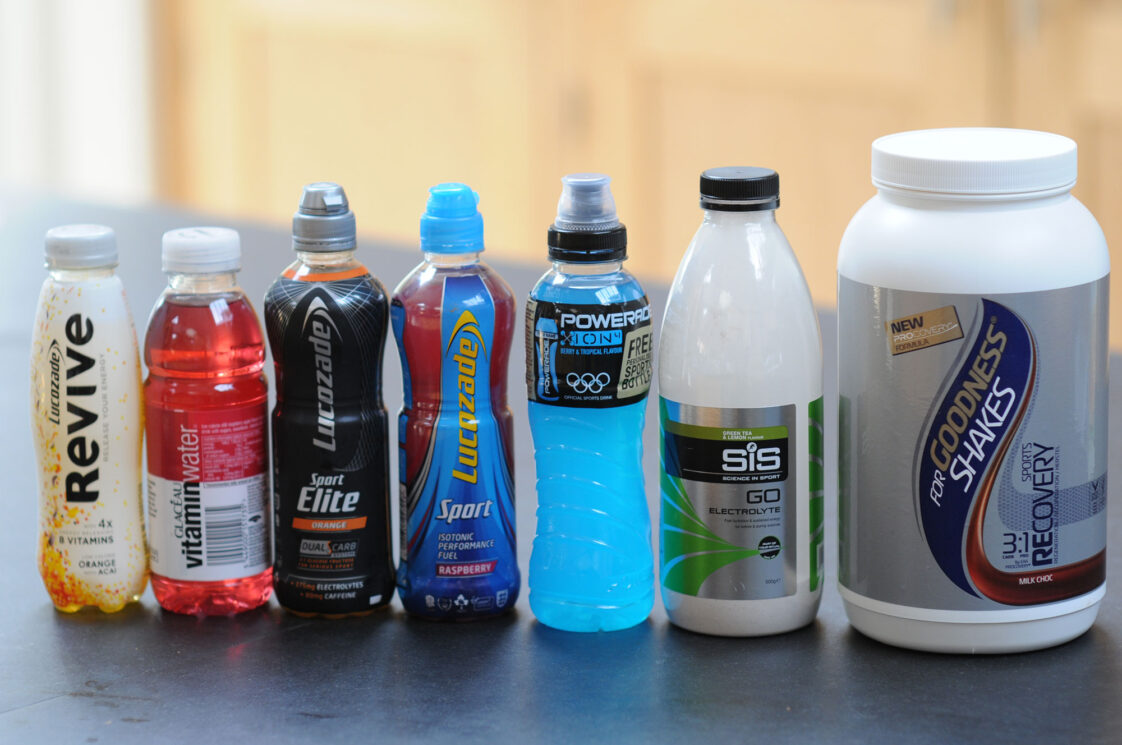
When it comes to our daily diet, reducing sodium intake is a crucial step towards promoting overall health and well-being. Excessive sodium consumption has been linked to high blood pressure, heart disease, stroke, and other serious health issues. To combat these risks, many individuals are turning to low-sodium alternatives in their food choices – including beverages.
Low-sodium beverages offer a great way to stay hydrated while minimizing sodium intake. Whether you’re looking for something refreshing to drink with your meals or need a pick-me-up during the day, there are plenty of options available that won’t compromise on taste.
One popular choice for those seeking a low-sodium beverage is water. Plain water contains zero sodium and is essential for staying hydrated throughout the day. For those who find plain water boring, adding slices of fruits like lemon or cucumber can infuse some flavor without adding any sodium content.
Another excellent option is herbal tea. Herbal teas come in a variety of flavors and are naturally free from sodium. They can be enjoyed hot or cold and provide a soothing alternative to sugary or high-sodium drinks.
Coconut water is also gaining popularity as a low-sodium beverage choice. Rich in potassium and electrolytes, coconut water offers hydration benefits without added salt commonly found in sports drinks.
For those craving carbonation but wanting to avoid the high levels of sodium often found in sodas, sparkling water is an ideal choice. Look for brands that do not add any additional salt or opt for flavored varieties with natural fruit essences instead of artificial sweeteners.
Vegetable juices are another nutritious option when it comes to low-sodium beverages. By juicing fresh vegetables like carrots, cucumbers, spinach, and beets at home or choosing commercial brands with no added salt, you can enjoy a flavorful drink packed with vitamins and minerals minus the excess sodium content found in many store-bought beverages.
Almond milk and other plant-based milk alternatives offer dairy-free options that are typically lower in sodium compared to cow’s milk. These non-dairy milks can be used as bases for smoothies or enjoyed on their own as a refreshing drink.
Iced herbal infusions make for a flavorful yet low-sodium beverage option perfect for warm weather days. Brewing herbal teas like hibiscus, chamomile, or mint ahead of time and chilling them over ice provides a deliciously hydrating treat without any added salt concerns.
Kombucha is another trendy beverage known for its probiotic benefits that also happens to be relatively low in sodium compared to traditional sodas or energy drinks. The fermentation process involved in making kombucha results in minimal amounts of naturally occurring salts rather than added table salt common in processed foods.
Freshly squeezed fruit juices can be enjoyed as part of a balanced diet when consumed in moderation due to their natural sugar content; however always opt for homemade versions using whole fruits rather than store-bought varieties which may contain added sugars along with higher levels of hidden sodium additives
Smoothies made from blending together fruits and vegetables with yogurt or nut butter provide an excellent source of nutrients while keeping your daily sodium intake under control
In conclusion Low-sodium beverages offer plenty of choices that cater not only towards reducing overall salt consumption but also towards maintaining good health through nutrient-dense options suitable for various tastes preferences lifestyles whether you prefer simple classics such as plain waters herbal teas more adventurous selections like vegetable juices kombuchas always remember read labels carefully ensure reaping full benefits each sip enjoying delicious healthy ways stay hydrated satisfied throughout day

Leave a Reply