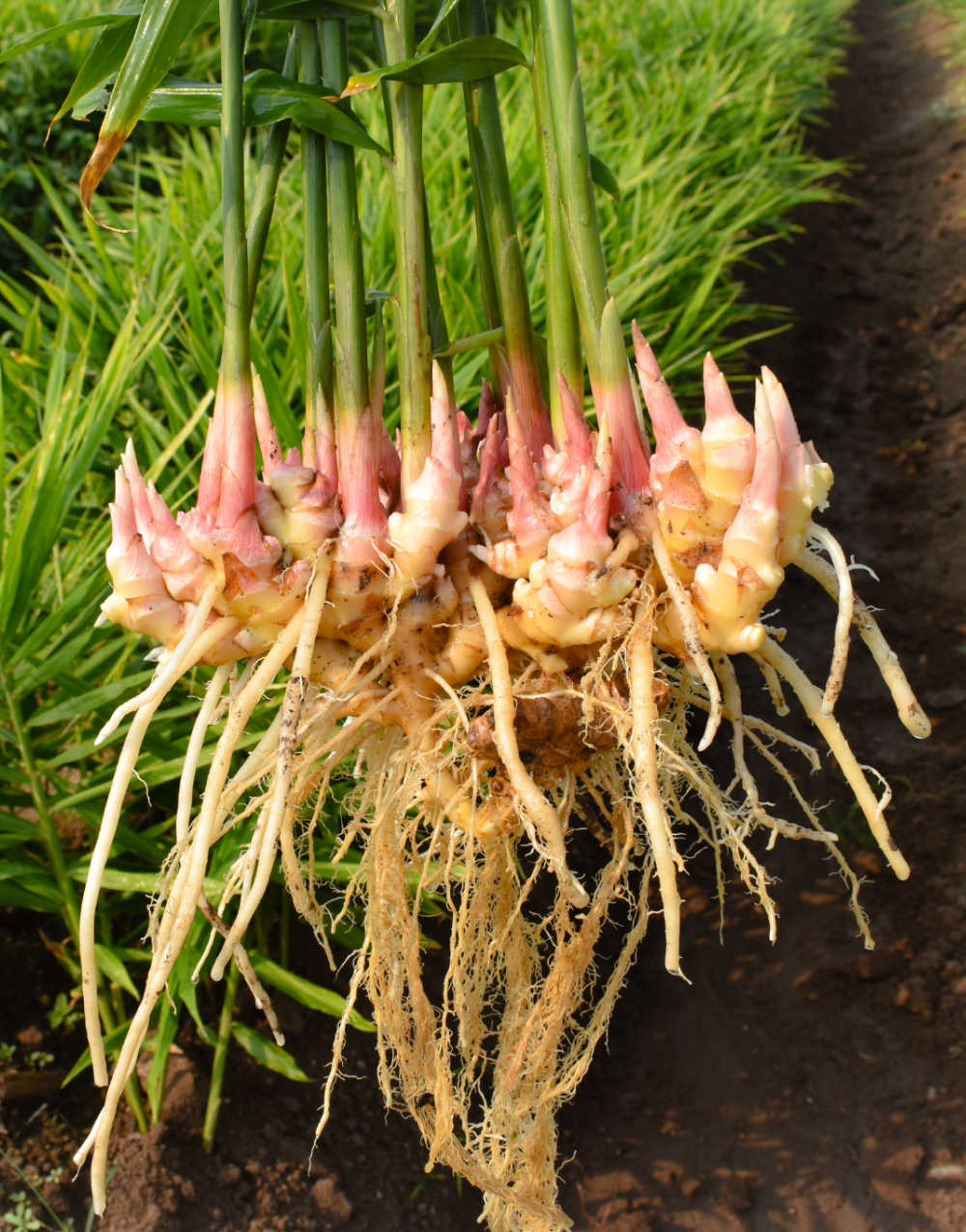
Panel Discussion: Growing Your Own Ginger at Home
Moderator:
Welcome to our panel discussion on growing your own ginger at home! Today, we have with us three experts in gardening and nutrition who will share their insights and tips on cultivating this versatile root in your own garden or indoor space. Let’s dive right in!
Expert 1 – Garden Specialist:
Hello everyone, I’m thrilled to be here discussing one of my favorite plants – ginger! Ginger is not only a flavorful addition to many dishes but also boasts several health benefits. When it comes to growing ginger at home, the first step is selecting the right rhizome. Look for plump, firm rhizomes with well-developed growth buds. You can find them at your local nursery or even grocery store.
Once you have your rhizome, it’s time to plant it. Choose a container that is wide and shallow as ginger roots grow horizontally. Fill the container with well-draining potting mix and place the rhizome about 2 inches below the surface with the growth buds facing up.
Expert 2 – Nutritionist:
Thank you for having me here today! As a nutritionist, I can’t stress enough how beneficial ginger is for our health. It aids digestion, reduces inflammation, boosts immunity, and even helps alleviate nausea. Growing your own organic ginger ensures that you have access to fresh and potent roots whenever you need them.
To ensure successful growth, keep your ginger plant in a warm and humid environment. Ginger thrives in temperatures between 75-85°F (24-29°C) and requires consistent moisture without being waterlogged. Mist the leaves regularly to mimic its natural habitat.
Expert 3 – Home Gardener:
I’m excited to be part of this discussion as someone who has successfully grown ginger at home for years now! One tip I’d like to share is using organic fertilizers such as compost or worm castings to nourish your ginger plant throughout its growing season.
As your plant grows, you’ll notice shoots emerging from the soil. These shoots will eventually turn into lush green foliage that not only adds beauty but also indicates healthy growth below the surface where rhizomes are developing.
Moderator:
Thank you all for sharing such valuable insights! Before we wrap up our discussion today, do any of our experts have additional tips or advice for those looking to grow their own ginger at home?
Expert 1 – Garden Specialist:
I recommend mulching around your ginger plant with organic materials like straw or shredded leaves to retain moisture and suppress weeds. This will help create an ideal environment for root development.
Expert 2 – Nutritionist:
Don’t forget about harvesting! Ginger can typically be harvested eight months after planting when the plant starts dying back naturally. Gently dig up the rhizomes taking care not to damage them so you can enjoy fresh ginger whenever needed.
Expert 3 – Home Gardener:
And lastly, don’t be afraid to experiment with different varieties of ginger such as white or yellow which offer unique flavors and aromas compared to traditional common types found in stores.
Moderator:
Fantastic advice from our panelists today on growing your own ginger at home! We hope this discussion has inspired you all to start your own little patch of fresh ginger goodness right in your backyard or kitchen windowsill.

Leave a Reply