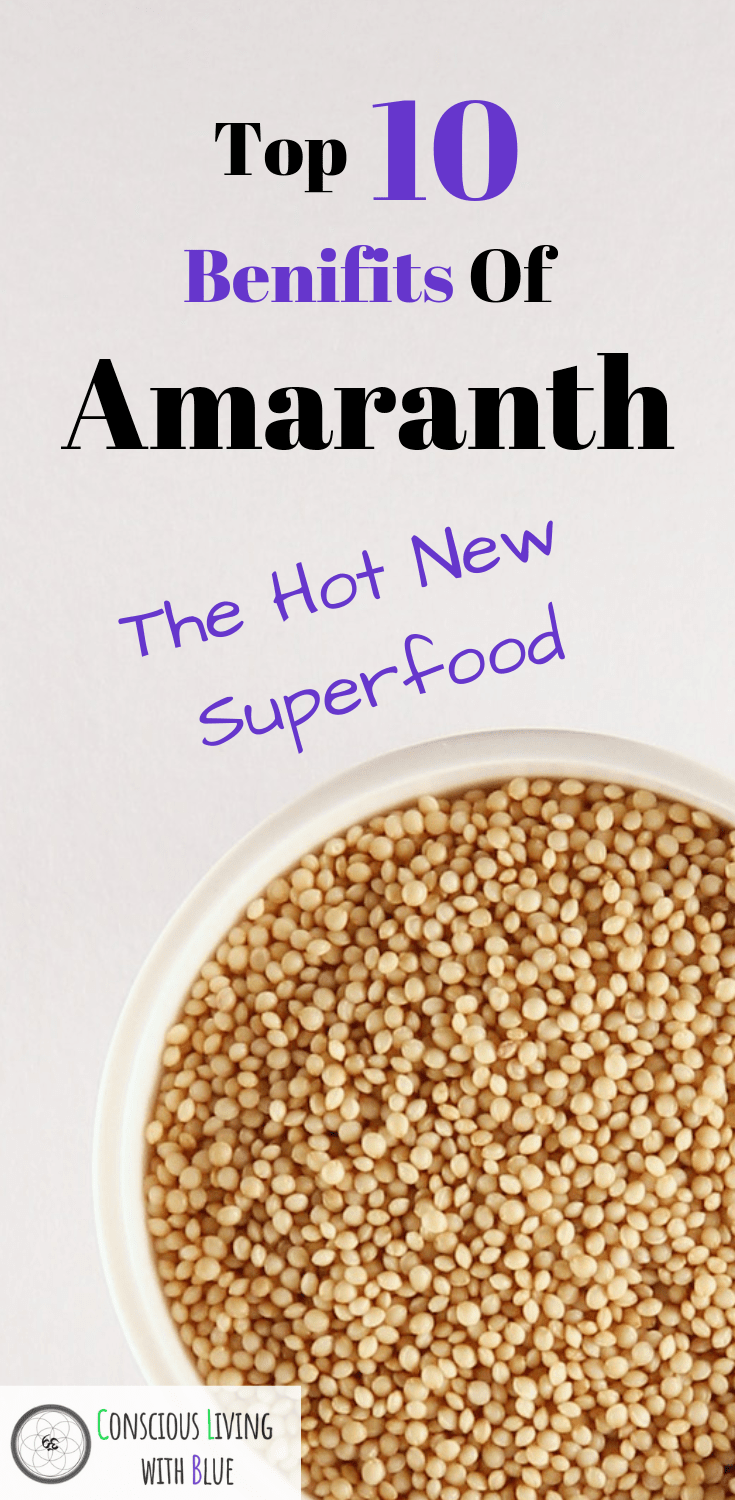
When it comes to incorporating nutritious superfoods into your diet, amaranth is a powerhouse grain that deserves a place in your kitchen. This ancient grain has been cultivated for thousands of years and offers an array of health benefits that make it a valuable addition to any healthy eating plan.
Amaranth is not actually a true cereal grain but rather a pseudocereal, as it is technically classified as a seed. It belongs to the Amaranthaceae family and is closely related to beets, spinach, and quinoa. One of the standout features of amaranth is its impressive nutrient profile. It’s rich in protein, containing all nine essential amino acids, making it a complete protein source – which is rare for plant-based foods. This makes it an excellent choice for vegetarians and vegans looking to increase their protein intake.
In addition to its high protein content, amaranth is also packed with fiber, vitamins, and minerals. A single cup of cooked amaranth provides over 100% of the recommended daily intake of manganese and nearly 30% of the recommended intake of magnesium and phosphorus. These minerals play crucial roles in bone health, energy production, and overall metabolic function.
Amaranth also contains significant amounts of iron, calcium, potassium, and vitamin C – all essential nutrients that support various bodily functions such as immune health and muscle function. Furthermore, this superfood is gluten-free, making it an excellent option for individuals with celiac disease or gluten sensitivity.
One notable benefit of amaranth is its impressive antioxidant content. Antioxidants help protect our cells from damage caused by free radicals – unstable molecules that can contribute to chronic diseases like heart disease and cancer. Amaranth contains compounds such as squalene and tocotrienols that have been shown to possess strong antioxidant properties.
Another unique aspect of amaranth is its potential anti-inflammatory effects. Chronic inflammation has been linked to numerous health conditions including arthritis, diabetes, and heart disease. Studies suggest that certain bioactive compounds found in amaranth may help reduce inflammation in the body due to their ability to inhibit inflammatory pathways.
Moreover; Amaranths are versatile ingredients that can be incorporated into various dishes ranging from breakfast bowls to salads or even baked goods! Here are some creative ways you can enjoy this nutritious grain:
1) Amaranth Porridge: Cooked similarly to oatmeal but with a nuttier flavor profile.
2) Amaranth Salad: Toss cooked amaranth with fresh vegetables like cherry tomatoes,
cucumbers & feta cheese drizzled with olive oil & lemon juice.
3) Amaranth Energy Bars: Mix popped amaranths with nuts & dried fruits before binding them together using honey or nut butter.
4) Amaranthus Muffins: Substitute part or all-purpose flour with whole-grain
amaranth flour when baking muffins.
5) Amarnath Crusted Chicken/Tofu: Coat proteins like chicken breasts or tofu slices in
cooked & blended popped-up sweetened flaked grains before pan-frying/baking them
With so many delicious possibilities for incorporating amarant into your meals; there’s no reason not give this superfood a try! Whether you’re looking to boost your protein intake; increase your consumption of essential minerals; or simply add more variety into your diet; adding some amarant into your culinary repertoire could be just what you need!

Leave a Reply