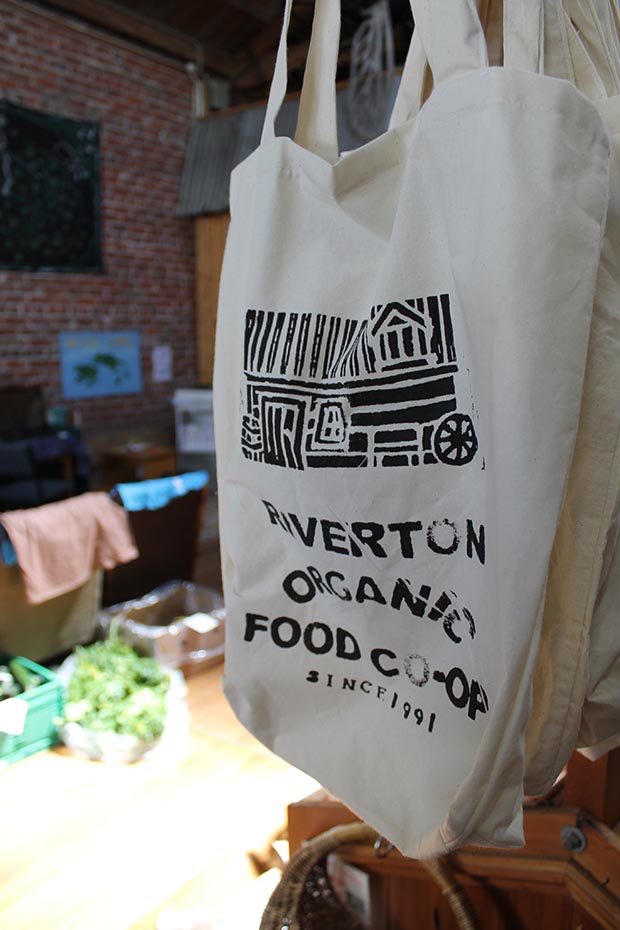
Food co-ops and buying clubs are becoming increasingly popular as more people seek out ways to access fresh, locally sourced, and affordable food. These community-driven initiatives offer a range of benefits for both consumers and producers, making them a valuable alternative to traditional grocery shopping.
One of the key advantages of food co-ops and buying clubs is their focus on supporting local farmers and producers. By sourcing products directly from nearby farms and food makers, these organizations help strengthen the local economy and reduce the environmental impact of transporting goods over long distances. This direct relationship between consumers and producers also promotes transparency in the supply chain, allowing shoppers to learn more about where their food comes from and how it is produced.
In addition to supporting local businesses, food co-ops and buying clubs often prioritize organic farming practices, sustainable agriculture, and fair trade principles. This commitment to ethical sourcing means that members can feel confident that the products they purchase are not only good for their health but also align with their values around environmental sustainability and social responsibility.
Another benefit of participating in a food co-op or buying club is the opportunity to access high-quality products at lower prices. By purchasing items in bulk or directly from producers, these organizations can often negotiate better deals than individual consumers would be able to find at conventional grocery stores. This cost-saving advantage makes healthy eating more accessible to a wider range of people while still supporting small-scale farmers who may struggle to compete with larger commercial operations.
Food co-ops and buying clubs also have a strong community focus, creating opportunities for like-minded individuals to come together around a shared interest in good food. Members often participate in volunteer activities such as organizing events, coordinating group purchases, or helping with distribution efforts. This sense of community ownership fosters connections among participants while also empowering them to take an active role in shaping the direction of the organization.
In addition to fresh produce, many food co-ops and buying clubs offer a diverse selection of pantry staples such as grains, legumes, nuts, seeds, oils, spices, dairy products, meat alternatives, baked goods,and even household items like cleaning supplies or personal care products—all sourced from reputable suppliers who share similar values around quality ingredientsand responsible production methods.
For those interested in joining a food co-op or buying club but unsure where to start,the process typically involves paying an annual membership fee (which helps cover operational costs)and agreeingto contribute time towards volunteering—whether it’s assisting during distribution days,picking up ordersfrom local vendorsor helping with administrative tasks.Foodco-ops generally operate ona non-profit basis,some require members topurchasea shareintheorganizationwhileothers allow casual participation without this obligation.Membership fees vary depending onthe specific structureof each group,butare usually reasonable consideringthelong-term savings memberscan expecton groceriesover time.As partofjoining,a new memberwill receiveinformation aboutordering procedures,pick-up schedules,and any other details relevanttotheirparticipationinthe group.This information is crucialfor ensuringthatmembersunderstandhowtheprocessworksandwhatisexpectedofthemas aparticipantinthefoodco-oporbuyingclub.
Overall,F oodco-opsandbuyingclubsaresustainable,economically-friendly,andcommunity-centeredalternativesforindividualslookingtopurchasenutritiousfoodsatreasonableprices.Throughtheirfocusonsupportinglocalproducers,promotingethicalpractices,andfosteringcommunityengagementtheseorganizationsofferamoreholisticapproachtogroceryshoppingthatbenefitsbothconsumersandproducersalike.Whether you’re lookingtoexplorenewfoodoptions,supportlocalagricultureorconnectwithlikenindedindividualsafoddcooporbuyingclubmaybejusttherightfitforyourhealthyeatingjourney.

Leave a Reply