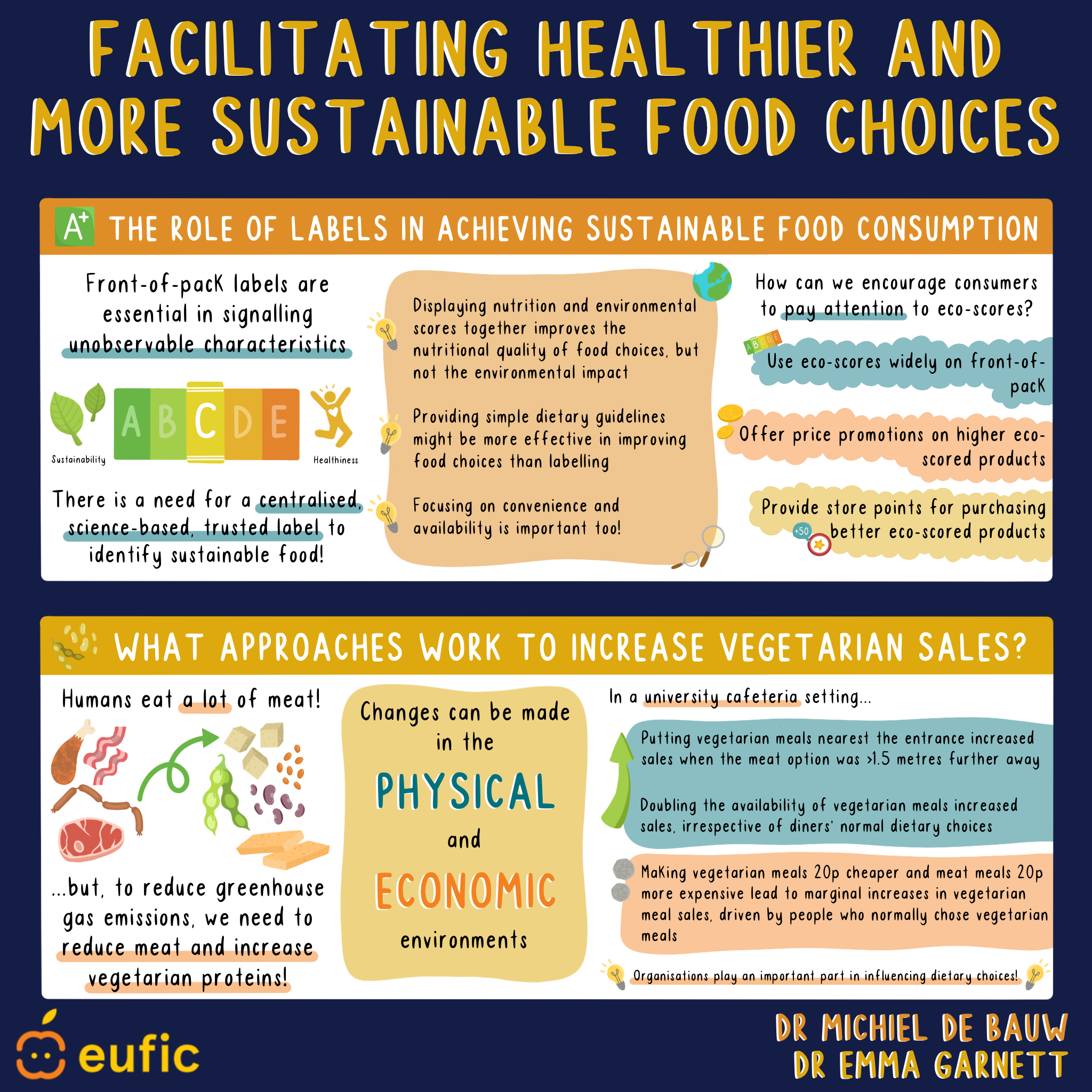
In today’s world, making sustainable food choices is more important than ever. As we become increasingly aware of the impact our diets have on the environment, many people are turning to sustainable options to not only benefit their health but also the planet. Sustainable food choices involve selecting foods that are produced in a way that minimizes harm to the environment and supports fair labor practices. By choosing sustainably sourced foods, you can reduce your carbon footprint, support local farmers, and promote biodiversity.
One key aspect of sustainable food choices is opting for locally grown produce. Buying fruits and vegetables from local farmers helps reduce the environmental impact of transporting food long distances. It also supports small-scale farmers in your community, allowing them to earn a fair wage for their hard work. Local produce is often fresher and more flavorful since it doesn’t have to travel far before reaching your plate. Visiting farmer’s markets or joining a Community Supported Agriculture (CSA) program are great ways to access fresh, locally grown produce while supporting sustainable farming practices.
Another important factor in making sustainable food choices is considering how animals are raised for meat consumption. Opting for grass-fed beef or pasture-raised poultry can have significant environmental benefits compared to conventionally raised meats. These animals are typically raised in more humane conditions and allowed to graze freely on open pastures, which helps promote soil health and biodiversity. By choosing sustainably raised meats, you can support ethical animal treatment while reducing the environmental impact of industrial agriculture.
In addition to choosing locally sourced produce and sustainably raised meats, incorporating plant-based meals into your diet is another impactful way to make sustainable food choices. Plant-based diets require fewer resources like water and land compared to traditional meat-heavy diets, making them more environmentally friendly overall. Including a variety of fruits, vegetables, whole grains, legumes, nuts, and seeds in your meals not only benefits your health but also reduces greenhouse gas emissions associated with animal agriculture.
Overall, making sustainable food choices goes beyond just what’s on your plate – it’s about understanding where your food comes from and how it impacts the world around you. By prioritizing locally sourced produce, sustainably raised meats, and plant-based options in your diet, you can contribute to a healthier planet while nourishing your body with wholesome foods. Small changes in our everyday eating habits can add up to make a big difference in creating a more sustainable future for generations to come.

Leave a Reply