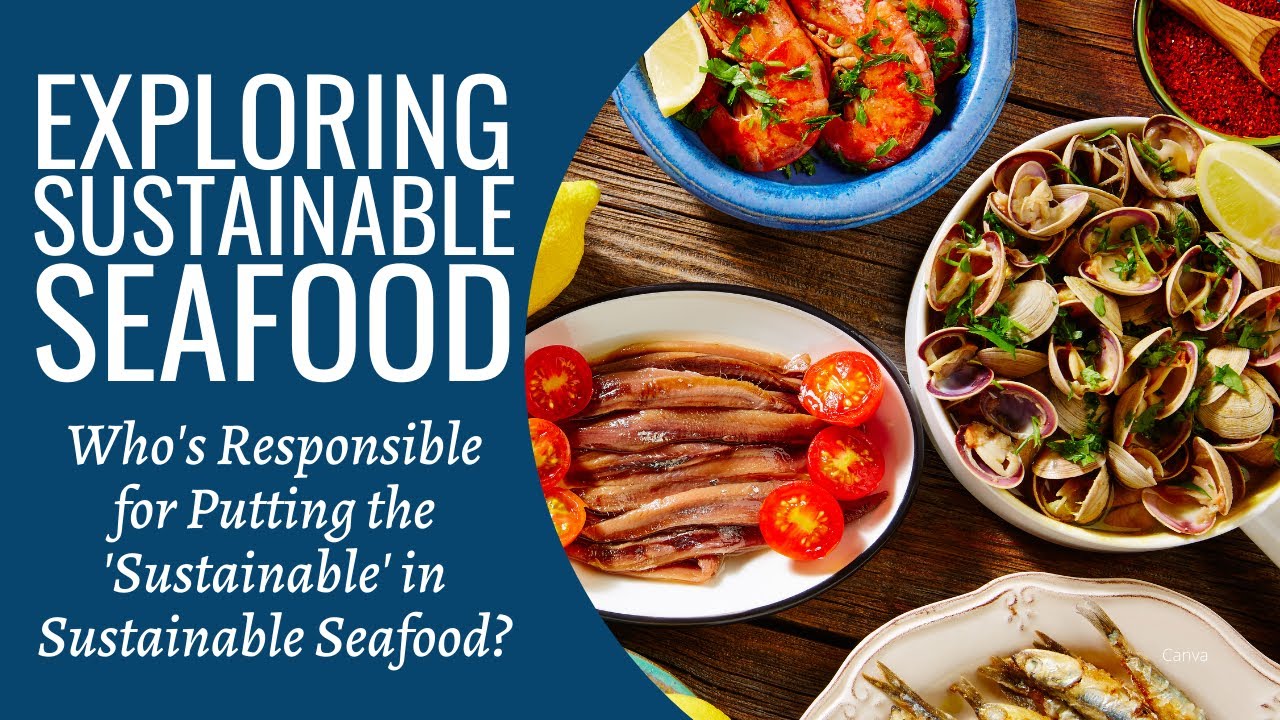
When it comes to making sustainable seafood choices, there are several factors to consider. From the type of fish you purchase to where and how it was caught or farmed, these decisions can have a significant impact on both the environment and your health. While buying sustainable seafood is essential, it’s also important to do so without breaking the bank. In this article, we will explore some tips for purchasing sustainable seafood on a budget.
1. **Know Your Seafood Options**: One of the first steps in buying sustainable seafood is understanding which species are considered more environmentally friendly. Some good options include Alaskan salmon, Pacific sardines, US farmed tilapia, and US-farmed shrimp. Avoiding species that are overfished or caught using harmful methods can help protect marine ecosystems.
2. **Check for Certifications**: Look for labels such as Marine Stewardship Council (MSC) and Aquaculture Stewardship Council (ASC) certifications when shopping for seafood. These labels indicate that the fish was sustainably sourced or farmed according to specific environmental standards.
3. **Buy in Season**: Purchasing seafood that is in season can often be more affordable since there tends to be an abundance of certain species during specific times of the year. Check local resources or online guides to learn about seasonal availability in your area.
4. **Consider Frozen Options**: Opting for frozen seafood can be a cost-effective way to enjoy sustainable choices while reducing waste. Frozen seafood is often flash-frozen shortly after being caught, preserving its freshness and flavor.
5. **Shop Local**: Supporting local fisheries not only reduces carbon emissions associated with transportation but also helps sustain small-scale fishing communities. Visit farmers’ markets or fish markets in your area to find locally sourced seafood options.
6. **Explore Sustainable Alternatives**: If your favorite type of fish is not considered sustainable, look for alternatives that have similar flavors and textures but come from more environmentally friendly sources. For example, try swapping out Chilean sea bass with barramundi or escolar with mahi-mahi.
7..**Buy in Bulk**: Purchasing larger quantities of seafood can sometimes lead to savings per pound compared to buying smaller portions individually packaged at supermarkets.
8..**Utilize Canned Seafood**: Canned tuna, salmon, and sardines are convenient pantry staples that offer an affordable way to incorporate sustainable protein into your meals.
9..**Join a Community Supported Fishery (CSF)**: Similar to community-supported agriculture (CSA) programs but focused on seafood, CSFs allow consumers to pre-purchase shares of fresh catch directly from local fishermen.
10..**DIY Seafood Processing**: Consider purchasing whole fish instead of fillets as they tend to be cheaper per pound; then learn how to fillet them yourself at home – this might take practice but could save you money.
11..**Reduce Food Waste**: Make sure you use all parts of the fish when cooking – leftover bones and heads can be used for making flavorful broths or stocks.
12..**Learn How To Cook Different Recipes:** Expanding your culinary skills by learning various ways to prepare different types of fish could help you make use out any less expensive options available while still enjoying delicious meals
By following these tips when shopping for sustainable seafood on a budget, you can make conscious choices that benefit both your health and the planet without compromising taste or quality.

Leave a Reply