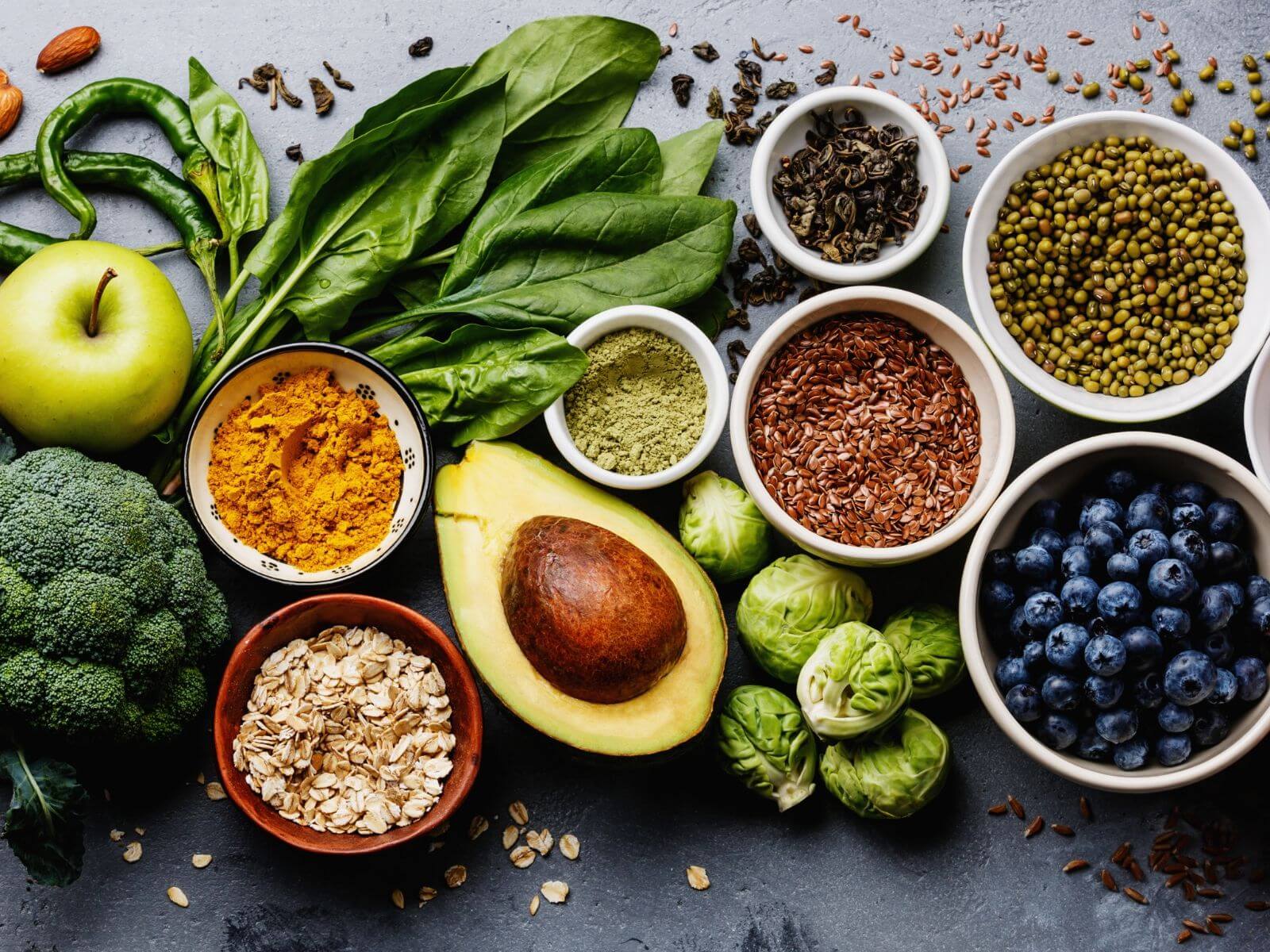
Superfoods have gained popularity in recent years for their high nutrient content and potential health benefits. However, many of these superfoods come with a hefty price tag that may not be sustainable for everyone. Fortunately, there are plenty of affordable alternatives that can still provide similar nutritional value without breaking the bank.
One cost-effective alternative to expensive superfoods is incorporating more locally grown fruits and vegetables into your diet. Seasonal produce tends to be more budget-friendly and can offer a wide range of vitamins, minerals, and antioxidants. For example, instead of splurging on açai berries, consider opting for blueberries or strawberries which are equally rich in antioxidants.
Legumes such as beans, lentils, and chickpeas are another economical option that pack a powerful nutritional punch. These plant-based proteins are not only affordable but also high in fiber, iron, and folate. They can be used in soups, salads, stews, or even blended into dips like hummus.
Whole grains like oats, quinoa, brown rice, and barley are great substitutes for pricey superfood grains like chia seeds or teff. These grains are versatile ingredients that can be incorporated into various dishes to boost your intake of fiber and essential nutrients.
In conclusion, while superfoods may offer unique health benefits,
it’s important to remember that there are plenty of economic alternatives available that can still support a healthy diet. By focusing on locally sourced produce,
legumes,
and whole grains,
you can nourish your body without straining your wallet.
Whether you’re looking to improve your overall wellness or simply diversify your meals,
these affordable options make it easy to eat nutritiously without overspending.
Ultimately,
a balanced diet rich in a variety of nutrient-dense foods is key to supporting long-term health and well-being.

Leave a Reply