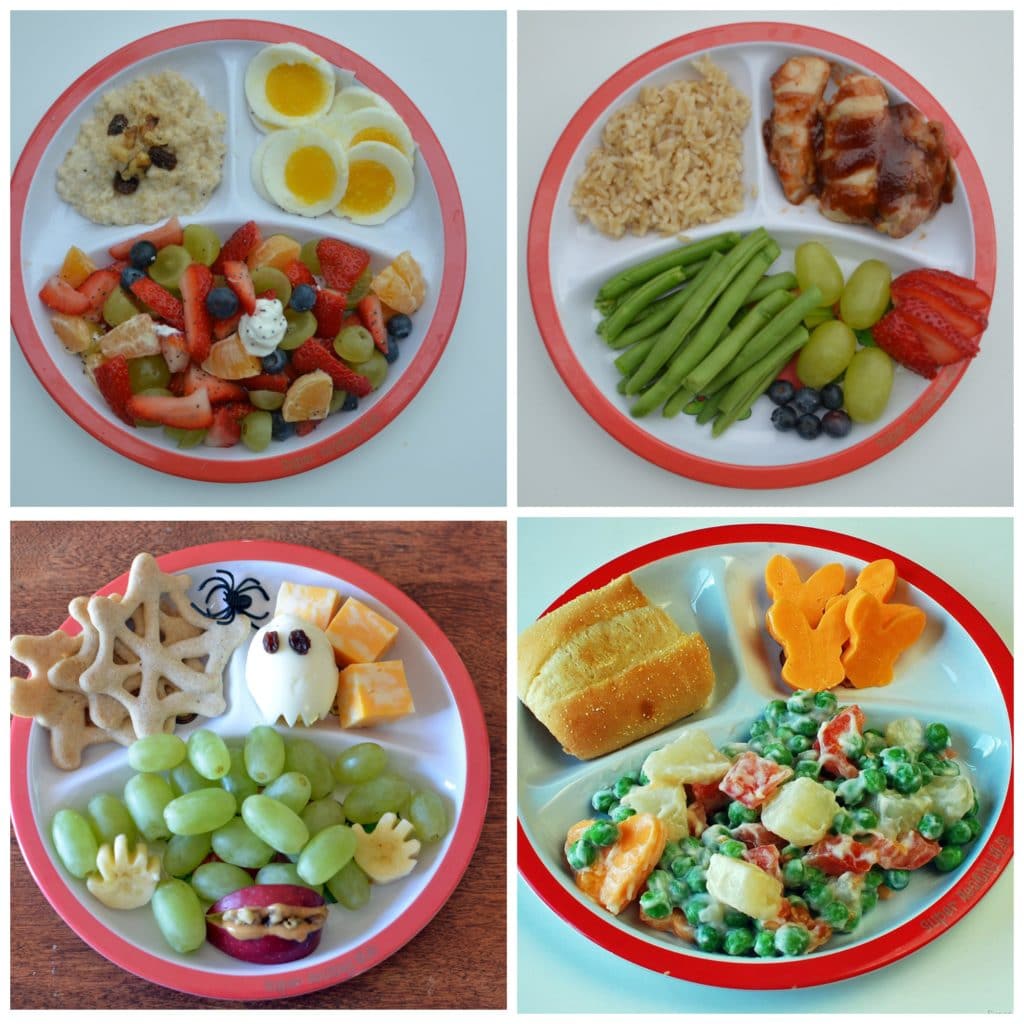
Portion control is essential for maintaining a healthy diet and managing weight. There are various strategies and techniques that can help individuals control their portions effectively.
Using smaller plates is a simple yet effective way to trick your mind into eating smaller portions. Research shows that people tend to eat less when they use smaller plates as it creates an optical illusion of having more food on the plate.
Measuring portions with your hand is another handy technique. For example, a serving of protein should be about the size of your palm, while a serving of carbohydrates like rice or pasta should be around the size of your fist.
Pre-portioned snacks are convenient for controlling portion sizes in between meals. Having healthy snacks like nuts or cut-up fruits readily available in pre-portioned containers can prevent overeating.
There are also various portion control tools and gadgets available in the market such as portion control plates, bowls with designated sections for different food groups, and kitchen scales to weigh out precise servings.
Mindful eating techniques involve paying attention to physical hunger cues, eating slowly, and savoring each bite. This helps prevent overeating by allowing you to tune into your body’s natural signals of fullness.
When dining out, consider sharing a meal with someone else or opting for appetizers instead of main courses to manage portion sizes effectively.
For desserts, try choosing mini versions or sharing with others to satisfy cravings without consuming large amounts of calories.
Be mindful of beverage portion sizes as well. Opt for water or unsweetened beverages and limit high-calorie drinks like sodas and juices.
Teaching kids about portion control from a young age is crucial for instilling healthy eating habits early on. Use visual aids like comparing serving sizes to everyday objects (e.g., a deck of cards for meat) to make it easier for children to understand.
During holiday meals or social gatherings, practice moderation by filling up on vegetables and lean proteins first before indulging in higher calorie treats.
Understanding standard serving sizes recommended by health authorities can also guide you in making informed choices when it comes to portion control.
When traveling, pack healthy snacks like granola bars or trail mix to avoid unhealthy fast food options due to convenience or lack of healthier choices on-the-go.
Healthy swaps such as replacing creamy dressings with vinaigrettes, using Greek yogurt instead of sour cream, or opting for whole wheat alternatives can help reduce calorie intake without sacrificing taste when managing portions effectively.
Balanced meals incorporating lean proteins, whole grains, fruits and vegetables ensure you get all necessary nutrients while controlling portions appropriately.
Tracking portion sizes using apps or journals can increase awareness about how much you’re actually consuming daily leading towards smarter choices during meal planning.
Cooking techniques such as grilling, baking instead frying foods help manage portions better since these methods require less added fats/oils contributing fewer calories overall.
These strategies combined will aid individuals in practicing effective portion control which plays an integral role in achieving overall health goals especially within any dietary plan aiming at weight management through conscious consumption habits.

Leave a Reply