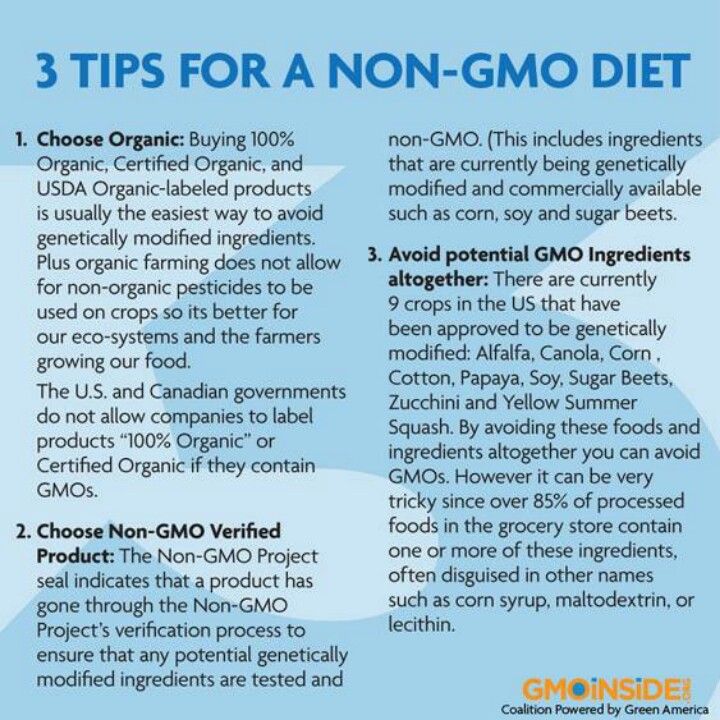
In recent years, there has been increasing awareness and concern about genetically modified organisms (GMOs) in our food supply. As a result, many people are turning to non-GMO foods as a healthier alternative. But what exactly are the health benefits of choosing non-GMO foods?
One of the primary reasons people opt for non-GMO foods is because they believe that these products are more natural and closer to their original state. GMOs are created through genetic engineering techniques that involve altering the DNA of plants or animals. Some individuals worry about the potential long-term effects of consuming these genetically modified organisms on human health.
Non-GMO foods are also often perceived as being cleaner and free from potentially harmful chemicals. Many GMO crops are engineered to be resistant to pests or herbicides, which can lead to increased pesticide use in agriculture. By choosing non-GMO options, consumers may reduce their exposure to these chemicals.
Moreover, supporters of non-GMO foods argue that they have higher nutritional value compared to their genetically modified counterparts. Some studies suggest that certain nutrients, such as antioxidants and vitamins, may be reduced in GMO crops due to the genetic modifications involved in their production.
For those with allergies or sensitivities, non-GMO foods can provide a safer option. The introduction of foreign genes into GMO crops could potentially trigger allergic reactions in some individuals who consume them. By sticking to non-GMO choices, people with known food allergies can minimize their risk of adverse reactions.
Furthermore, supporting non-GMO products can also have positive environmental implications. Organic farming practices often go hand-in-hand with avoiding GMOs, leading to healthier soil and ecosystems overall. By opting for non-GMO foods, consumers contribute towards sustainable agriculture practices that prioritize biodiversity and ecological balance.
While more research is needed to fully understand the impact of GMO consumption on human health over time, many individuals feel more comfortable choosing non-GMO alternatives as a precautionary measure.
In conclusion, there are various health benefits associated with opting for non-GMO foods including potential higher nutrient content, reduced exposure to pesticides and harmful chemicals, lower risk of triggering allergies or sensitivities and support for environmentally friendly farming practices.

Leave a Reply