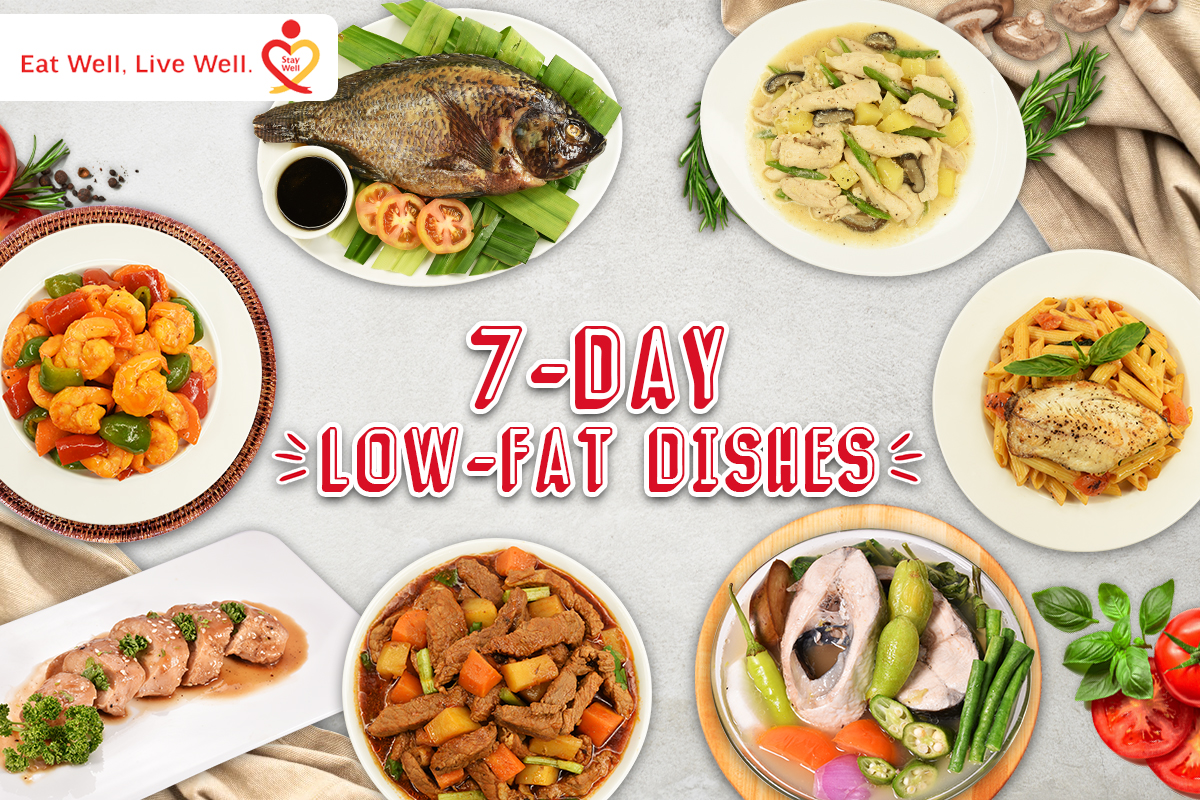
In today’s world where health and wellness are becoming increasingly important, many individuals are looking for ways to make positive changes to their diets. One popular approach is adopting a low-fat eating plan. By reducing the amount of fat in your diet, you can potentially lower your risk of certain health conditions such as heart disease and obesity.
When it comes to cooking, there are several techniques you can use to reduce the fat content in your meals without sacrificing flavor. Instead of frying foods, try baking, grilling, or steaming them. These methods not only cut down on added fats but also help retain the natural flavors of the ingredients.
For those who enjoy dairy products but want to cut back on fat, there are plenty of alternatives available. Low-fat or skim milk, yogurt, and cheese can be great substitutes for their full-fat counterparts. Additionally, plant-based options like almond milk or coconut yogurt offer even more choices for those looking to limit their fat intake.
Snacking on-the-go doesn’t have to mean reaching for high-fat options like chips or candy bars. Instead, opt for healthier alternatives such as fresh fruit, raw vegetables with hummus dip, air-popped popcorn, or a handful of nuts. These snacks provide energy and nutrients without excess saturated fats.
Salad dressings often contain hidden fats that can add up quickly. To keep your salads light and healthy, consider making your own dressings using ingredients like balsamic vinegar, lemon juice, herbs, and spices. This way you can control the amount of oil used while still enjoying delicious flavors.
Baking substitutes can also play a significant role in reducing fat consumption when making desserts or baked goods. Applesauce or mashed bananas can replace some or all of the butter/oil in recipes without compromising texture or taste.
Condiments and sauces are notorious for sneaking extra fat into our meals. Opt for mustard over mayo on sandwiches and choose salsa instead of sour cream on tacos to cut down on unnecessary fats.
Meal prep is an excellent strategy for maintaining a low-fat diet throughout the week. Prepare lean proteins like chicken breast or tofu along with whole grains and plenty of veggies so that nutritious meals are ready-to-eat whenever hunger strikes.
Grilling is another fantastic method that adds flavor without excessive fats when cooking protein sources like fish or chicken breasts marinated in herbs and citrus juices.
Desserts don’t have to be off-limits when following a low-fat diet; fruits like berries topped with Greek yogurt make a satisfyingly sweet treat without all the added sugars found in traditional desserts.
Starting your day off right with low-fat breakfast options sets the tone for healthy eating habits throughout the day: think oatmeal topped with fresh fruit slices or scrambled eggs made with egg whites instead of whole eggs.
Smoothies are an easy way to incorporate low-fat ingredients into one tasty drink – blend together nonfat yogurt with frozen fruits like berries and bananas for a refreshing morning boost!
Soups and stews loaded with veggies provide warmth during colder months while keeping fat content low – look for recipes using broth bases rather than cream-based soups.
Protein sources play a crucial role in any diet but opting for lean cuts such as turkey breast,
chicken tenderloins,
or beans/legumes will help keep overall fat intake at bay.
Side dishes don’t need heavy creams
or butter –
instead
opt
for roasted vegetables seasoned lightly
with herbs
and spices
Incorporating these low-fat food choices into a balanced diet ensures that you’re getting essential nutrients while managing your calorie intake effectively.
Benefits include potential weight loss,
reduced risk factors associated
with heart disease,
and improved overall well-being.
Reading nutrition labels is essential when trying navigate through various products at grocery stores – look out specifically
for total grams
of fat per serving
as well as saturated/trans fats which should be limited
Eating out may seem daunting when following
a
low-
fat dietary regimen;
however,
choosing grilled/baked options over fried ones
alongside asking
for dressings/sauces
on-the-side helps maintain control over what goes onto your plate.
Hydration plays critical role ensuring success adherence any dietary plan – aim drink water consistently throughout day promote satiety prevent dehydration.
Aiming follow Low-Fat Diet isn’t about deprivation but rather making smart choices prioritize health wellness long-run- incrementally implementing small changes routine lead big results overtime.

Leave a Reply