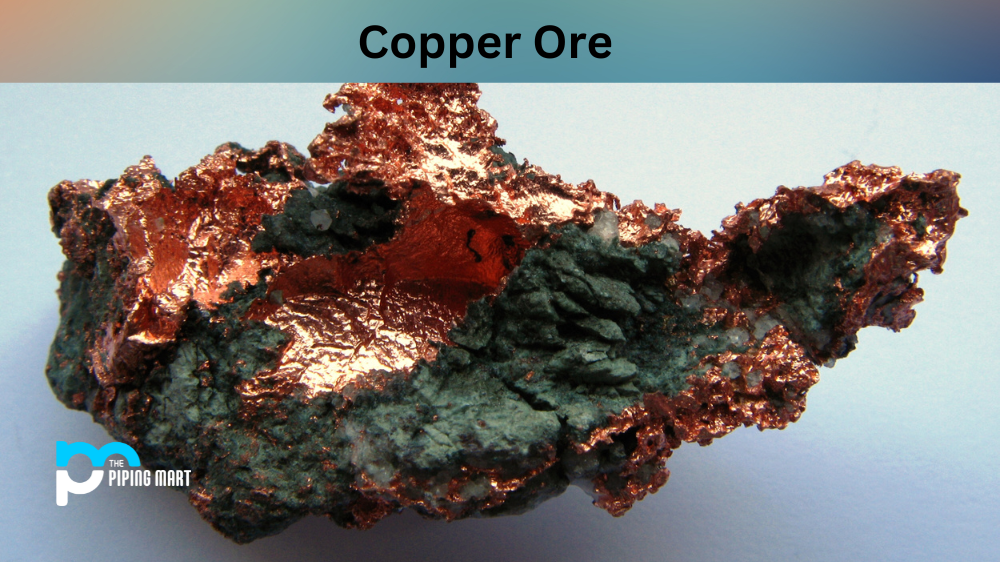
Copper is a mineral that plays a vital role in the human body, supporting various physiological functions. From aiding in energy production to supporting the immune system, copper is essential for overall health and well-being. In this article, we will explore the benefits of copper, dietary sources of copper, recommended daily intake, potential health risks associated with copper deficiency or excess consumption, and ways to incorporate more copper into your diet.
Benefits of Copper:
1. Energy Production: Copper is a key component of enzymes involved in energy production within cells. It helps convert carbohydrates into usable energy, making it crucial for maintaining optimal energy levels throughout the day.
2. Antioxidant Properties: Copper acts as an antioxidant by neutralizing harmful free radicals in the body. This helps protect cells from oxidative stress and reduces the risk of chronic diseases like heart disease and cancer.
3. Iron Absorption: Copper plays a role in iron metabolism by enhancing the absorption of iron from plant-based sources. This is particularly important for individuals following a vegetarian or vegan diet who may have lower iron intake.
4. Immune Function: Copper supports a healthy immune system by promoting the activity of white blood cells that help fight off infections and foreign invaders.
5. Collagen Formation: Copper contributes to collagen synthesis, which is essential for maintaining healthy skin, joints, and connective tissues.
Dietary Sources of Copper:
Copper can be found in a variety of foods including:
– Shellfish such as oysters, crab, and mussels
– Nuts and seeds like cashews, sunflower seeds, and almonds
– Whole grains such as quinoa, oats, wheat bran
– Legumes including lentils, chickpeas
– Dark leafy greens like spinach and kale
– Organ meats such as liver
– Dark chocolate
Recommended Daily Intake:
The Recommended Dietary Allowance (RDA) for copper varies depending on age and gender:
– Infants 0–6 months: 200 mcg/day
– Infants 7–12 months: 220 mcg/day
– Children 1–3 years: 340 mcg/day
– Children 4–8 years: 440 mcg/day
– Children 9–13 years: 700 mcg/day
– Adolescents 14–18 years: 890 mcg/day
– Adults over age 19:
– Men – 900 mcg/day
– Women –1000 mcg/day
Health Risks Associated with Copper Deficiency or Excess Consumption:
Copper deficiency can lead to various health issues such as anemia (due to impaired iron absorption), osteoporosis (due to reduced collagen formation), compromised immune function (increased susceptibility to infections), neurological problems (such as nerve damage), and cardiovascular issues.
On the other hand,
excessive intake of copper can also cause adverse effects including gastrointestinal symptoms (nausea/vomiting), liver damage,
kidney problems,
and Wilson’s disease—a rare genetic disorder that causes excessive accumulation of copper in the body leading to serious complications if left untreated.
Incorporating More Copper Into Your Diet:
To ensure an adequate intake of copper,
include foods rich in this mineral regularly into your meals.
Some simple ways include adding nuts/seeds onto salads or yogurt bowls,
incorporating whole grains into your diet through dishes like quinoa salads or oatmeal breakfasts,
snacking on dark chocolate with nuts/fruit combinations,
and enjoying seafood dishes featuring shellfish or fish high in copper content.
In conclusion,
copper is an essential mineral that supports numerous bodily functions ranging from energy production to immune health.
By consuming a balanced diet rich in foods containing copper within recommended daily limits—individuals can promote overall well-being while reducing their risk factors associated with both deficiency/excess consumption scenarios.
Remember always consult healthcare providers before implementing significant dietary changes—especially if you suspect any underlying medical conditions impacting nutrient absorption/metabolism processes related specifically towards micronutrient intakes like those involving metals such as zinc/copper among others.

Leave a Reply