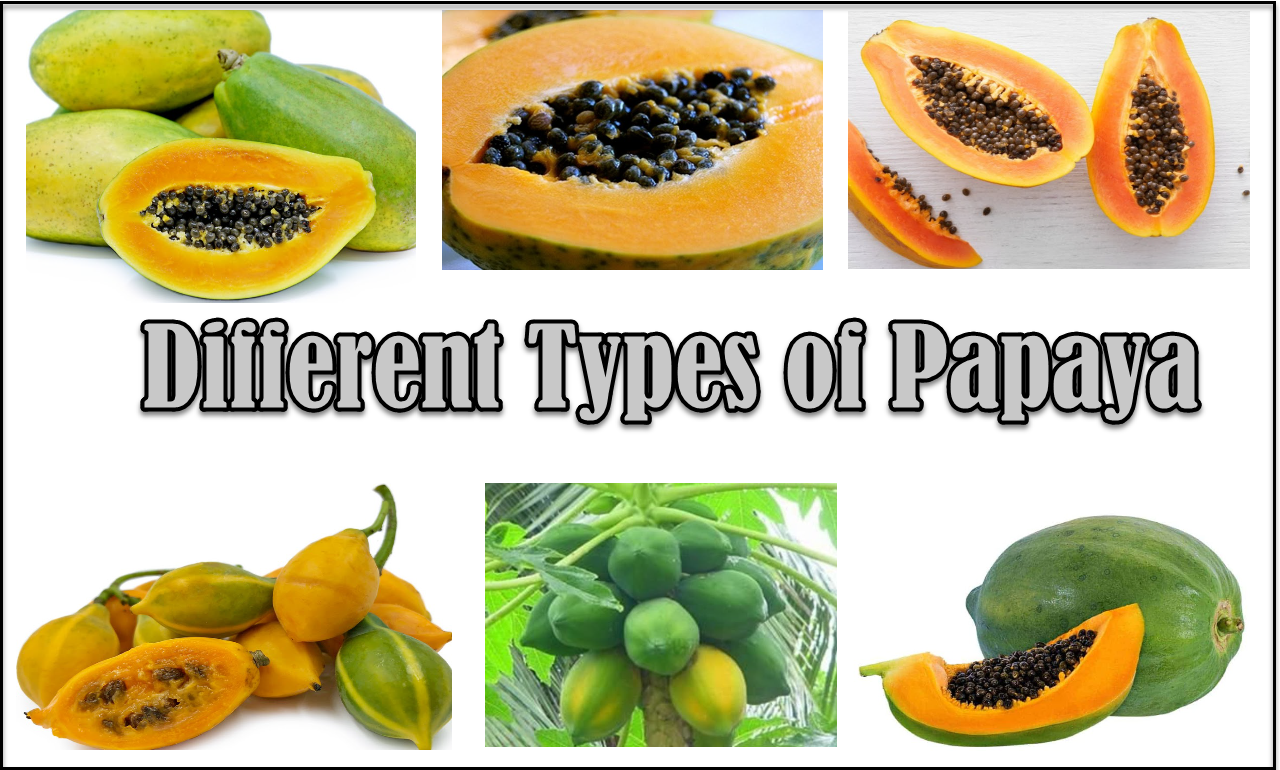
Papaya is a delicious and nutritious fruit that comes in various varieties, each with its unique taste and characteristics. Here are some different types of papaya that you may come across:
1. **Solo Papaya**: Also known as the Hawaiian papaya, solo papayas are small to medium-sized fruits with vibrant orange flesh. They have a sweet and tropical flavor, making them perfect for eating fresh or adding to fruit salads.
2. **Maradol Papaya**: Maradol papayas are larger than solo papayas and have a more elongated shape. They have deep orange flesh and a rich, sweet taste. These papayas are often used in smoothies or salsas due to their juicy texture.
3. **Golden Papaya**: Golden papayas have a yellowish-green skin when ripe and golden-yellow flesh inside. They tend to be sweeter and less musky than other varieties, making them an excellent choice for those who prefer milder flavors.
4. **Caribbean Red Papaya**: This variety is characterized by its red-orange skin and bright orange flesh with pink hues. Caribbean red papayas have a sweet flavor with hints of melon and berries, making them popular for eating fresh or blending into juices.
5. **Sunrise Papaya**: Sunrise papayas are smaller in size compared to other varieties but pack a punch in terms of flavor. They have deep orange flesh and a rich sweetness that makes them ideal for enjoying on their own or incorporating into desserts.
Each type of papaya offers its own set of benefits, including being rich in vitamins A and C, as well as digestive enzymes like papain. Incorporating different varieties of papaya into your diet can add diversity to your meals while providing numerous health benefits.

Leave a Reply