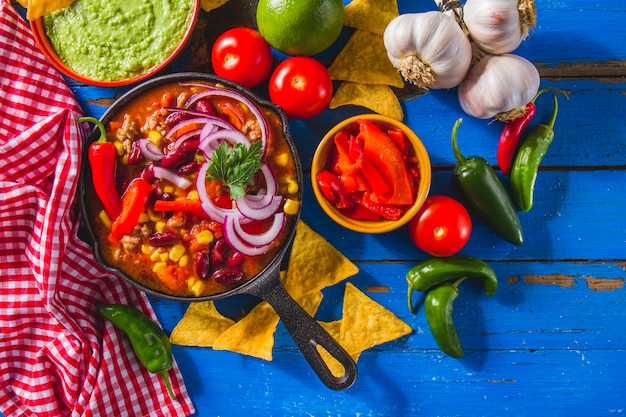
Mexican cuisine is not only delicious and flavorful but also offers a wide array of healthy options that can easily be incorporated into a balanced diet. From vibrant fruits and vegetables to lean proteins and whole grains, Mexican food has something for everyone looking to eat well while enjoying mouthwatering dishes.
One of the key components of Mexican cuisine is its use of fresh ingredients. Traditional Mexican dishes are often made with locally sourced produce such as tomatoes, avocados, peppers, and cilantro. These ingredients not only add color and flavor to the dishes but also provide essential vitamins, minerals, and antioxidants that are beneficial for overall health.
Beans are another staple in Mexican cooking, providing a good source of plant-based protein, fiber, and complex carbohydrates. Black beans, pinto beans, and kidney beans are commonly used in dishes like burritos, tacos, and soups. Beans can help regulate blood sugar levels, lower cholesterol levels, and promote digestive health.
Avocados are another superfood frequently found in Mexican cuisine. They are rich in heart-healthy monounsaturated fats as well as vitamins E, K, C, B5 (pantothenic acid), B6 (pyridoxine), folate (B9), potassium (more than bananas!), magnesium; they have an abundance of health benefits including reducing inflammation throughout the body which helps protect against chronic diseases such as heart disease or diabetes.
Corn is a versatile ingredient used in many traditional Mexican dishes like tamales or corn tortillas. Corn is a whole grain that provides fiber for digestive health as well as essential nutrients like vitamin C and magnesium. Opting for whole grain corn products over refined versions can further boost the nutritional value of your meal.
Fresh seafood also plays a significant role in coastal Mexican cuisines. Fish such as salmon or tuna are excellent sources of omega-3 fatty acids which contribute to heart health by reducing inflammation and lowering the risk of cardiovascular diseases.
Herbs and spices are crucial elements in Mexican cooking that enhance flavors without adding extra calories or sodium. Cilantro is commonly used in salsas or guacamole while cumin adds warmth to meat marinades or bean dishes. Spices like chili powder or paprika can also provide a kick of heat without relying on high-sodium condiments.
When it comes to preparing healthy Mexican meals at home consider grilling instead frying foods; using herbs instead salt; incorporating plenty vegetables making them star every dish! By making mindful choices about portion sizes you can enjoy all the flavors Mexico has offer stay track with your dietary goals
In conclusion,Mexican cuisine offers an abundance tasty yet nutritious options choose from.Whether you’re craving zesty salsa refreshing ceviche hearty stew there’s something satisfying every palate With focus on fresh ingredients bold flavors anyone incorporate aspects this vibrant culinary tradition into their eating habits boost overall health vitality

Leave a Reply