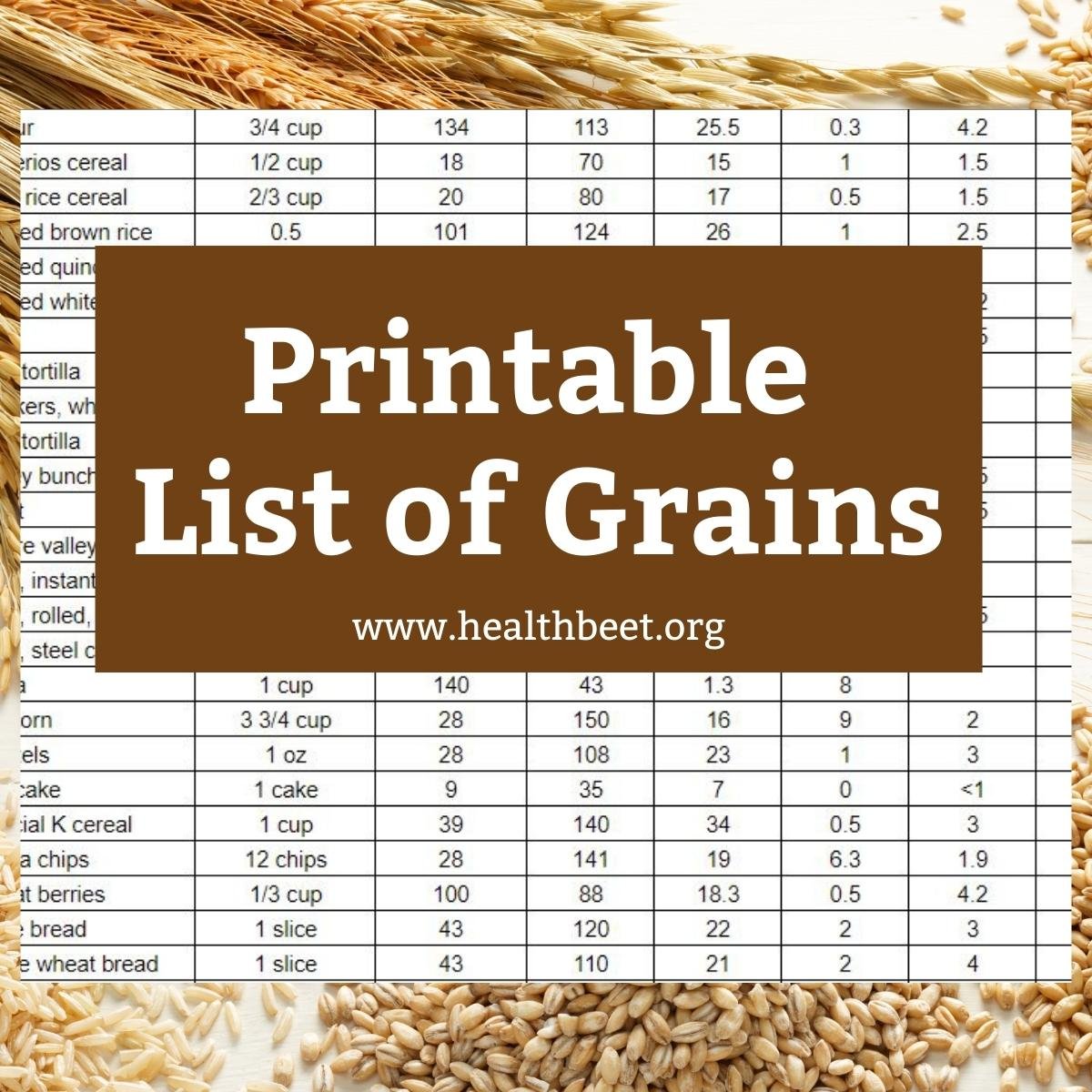
Whole grains are an essential part of a healthy diet and offer numerous health benefits. Unlike refined grains, whole grains contain the entire grain kernel, including the bran, germ, and endosperm. This means they retain all the nutrients like fiber, vitamins, minerals, and antioxidants that are important for good health.
One of the key benefits of consuming whole grains is their high fiber content. Fiber plays a crucial role in digestion by promoting regular bowel movements and preventing constipation. It also helps to lower cholesterol levels and reduce the risk of heart disease. Whole grains such as oats, barley, quinoa, brown rice, and whole wheat are rich in soluble fiber which can help regulate blood sugar levels and improve insulin sensitivity.
In addition to fiber, whole grains provide a wide range of vitamins and minerals that are essential for overall health. These include B vitamins such as niacin, thiamine, and folate which play a vital role in energy production and red blood cell formation. Minerals like iron, magnesium, zinc, and selenium are also found in whole grains and support various bodily functions including immune function and bone health.
Whole grains are also a great source of antioxidants that help protect cells from damage caused by free radicals. Antioxidants like phenolic compounds found in whole grains have been linked to reduced inflammation in the body which can lower the risk of chronic diseases such as cancer and heart disease.
Research has shown that incorporating whole grains into your diet can have several positive effects on your health. Studies suggest that eating whole grains may reduce the risk of developing type 2 diabetes by improving insulin sensitivity and lowering blood sugar levels. They may also help with weight management as they tend to be more filling than refined grains due to their higher fiber content.
When choosing whole grain products it’s important to look for labels that specifically mention “whole” before the grain’s name (e.g., “whole wheat flour” or “whole oats”). Be cautious of terms like “multigrain” or “wheat bread” which may not necessarily mean they are made with whole grain ingredients.
Incorporating more whole grains into your diet is easy with simple swaps like choosing brown rice over white rice or opting for oatmeal instead of sugary cereals for breakfast. You can also experiment with different types of ancient grains like quinoa or farro to add variety to your meals while reaping all the nutritional benefits these wholesome foods have to offer.
Overall, making whole grains a staple in your diet can contribute significantly to better overall health outcomes by providing essential nutrients vital for optimal functioning of our bodies while reducing risks associated with chronic diseases when consumed regularly as part of a balanced diet.

Leave a Reply