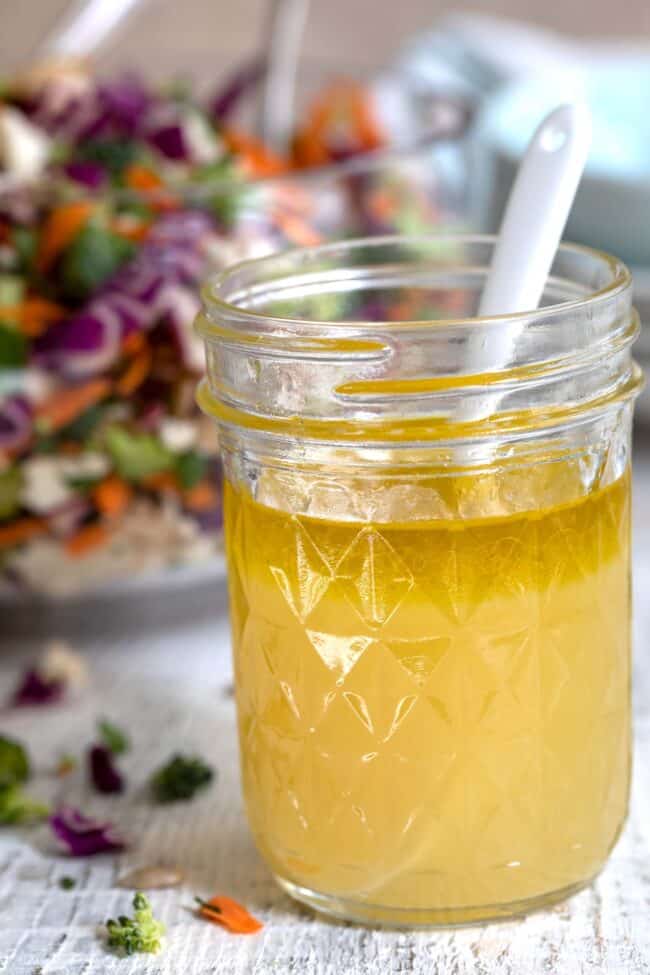
Ginger has long been a beloved ingredient in various culinary traditions around the world. Its unique flavor profile, which is both spicy and slightly sweet, adds depth and complexity to dishes of all kinds. While ginger is commonly used in savory dishes like stir-fries and curries, it also shines in salad dressings, where its zesty kick can elevate the simplest of salads.
The use of ginger in salad dressings dates back centuries, with historical records showing that it was a popular ingredient in ancient Asian cuisines. In traditional Chinese medicine, ginger is believed to have warming properties that aid digestion and promote overall well-being. It was often incorporated into dressings for vegetable salads to not only enhance the flavor but also provide health benefits.
One of the earliest recorded uses of ginger in salad dressings comes from ancient India, where it was combined with ingredients like honey, vinegar, and spices to create flavorful condiments for fresh greens. The tangy-sweet combination of vinegar and honey balanced out the spiciness of the ginger, resulting in a dressing that complemented a wide variety of salads.
As trade routes expanded during the Middle Ages, ginger made its way to Europe where it quickly became a prized spice among nobility. In medieval European cuisine, ginger was often used in pickling liquids for preserving fruits and vegetables. Over time, this practice evolved into using ginger-infused vinegars as salad dressings.
During the Renaissance period, explorers brought exotic spices like ginger back from their travels to far-off lands. This influx of new flavors inspired chefs across Europe to experiment with different combinations in their recipes. Ginger found its way into salad dressings alongside other exotic ingredients like citrus fruits and aromatic herbs.
In colonial America, settlers continued to incorporate ginger into their cooking practices. With access to an abundance of fresh produce from local farms, they created simple yet flavorful salads dressed with vinaigrettes infused with grated or ground ginger. The pungent spice added a refreshing twist to salads made with leafy greens and garden vegetables.
Fast forward to modern times, and ginger remains a popular choice for adding zest to homemade salad dressings. Whether grated fresh or used in powdered form, its distinctive flavor pairs well with a wide range of ingredients commonly found in today’s kitchens.
When creating your own gingery salad dressing at home, there are several methods you can try:
1. **Fresh Ginger**: Grate or mince fresh ginger root finely before incorporating it into your dressing base.
2. **Ground Ginger**: If you don’t have fresh ginger on hand or prefer a milder flavor profile,
ground dried ginger can be used instead.
3 .**Ginger Juice**: For an extra burst of flavor without any fibrous bits,
extract juice by pressing freshly grated
ginger through cheesecloth or straining after blending pieces
with water.
4 .**Infused Vinegar**: Steep slices or chunks
of fresh peeled
ginger root
in vinegar such as rice wine vinegar apple cider vinegar until desired strength achieved
To make your own basic gingery vinaigrette:
– Combine 1/4 cup olive oil,
2 tablespoons balsamic vinegar,
1 teaspoon Dijon mustard,
1 minced garlic clove,
1 tablespoon honey (optional),
and 1 teaspoon freshly grated
ginger
– Whisk together until emulsified season salt pepper taste
For an Asian-inspired twist featuring soy sauce:
– Swap balsamic vinegar for rice wine vinegar add 2 teaspoons soy sauce
sesame oil some chopped scallions toasted sesame seeds complete dish
Whether drizzled over mixed greens tossed crunchy veggies grilled chicken strips shrimp tofu cubes gingery dressing sure delight taste buds invigorating blend flavors textures colors making each bite truly satisfying
With so many possibilities experimentation encouraged find perfect balance tastes preferences creating signature gingery dressing impress family friends gatherings celebrations alike

Leave a Reply