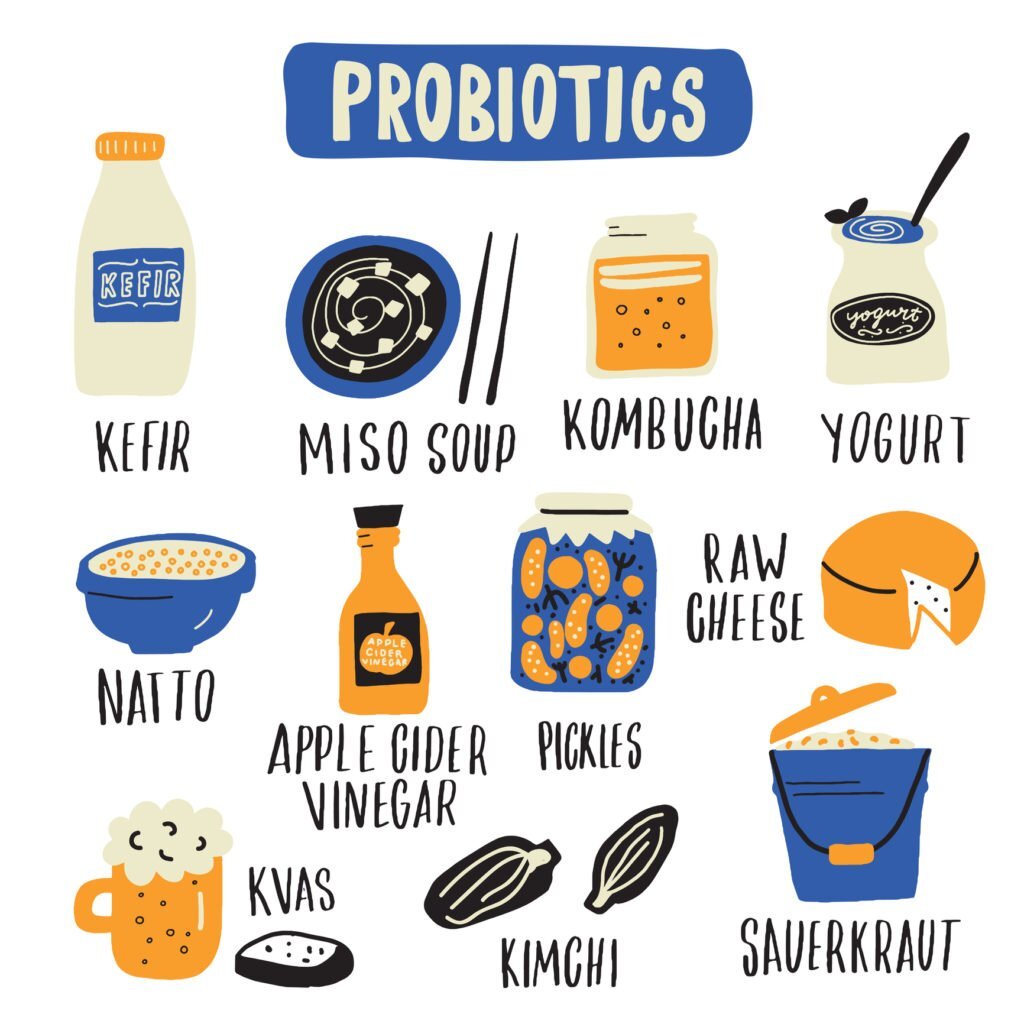
Fermented foods have been gaining popularity in recent years due to their numerous health benefits. From kimchi and sauerkraut to yogurt and kefir, these tangy and flavorful foods are not only delicious but also packed with gut-friendly probiotics that can support digestive health, boost immunity, and improve overall well-being.
One of the key reasons why fermented foods are so beneficial is their high probiotic content. Probiotics are live bacteria and yeasts that are good for your digestive system. They help maintain a healthy balance of gut flora, which is essential for proper digestion and immune function. Consuming fermented foods regularly can help replenish the natural supply of beneficial bacteria in your gut, promoting optimal digestive health.
In addition to probiotics, fermented foods also offer a range of other important nutrients. For example, yogurt is a good source of protein, calcium, potassium, and B vitamins. Kimchi is rich in vitamins A and C as well as antioxidants like beta-carotene. Sauerkraut provides fiber, vitamin K, iron, and manganese. By incorporating a variety of fermented foods into your diet, you can ensure that you’re getting a wide range of essential nutrients to support overall health.
Another benefit of fermented foods is that they can improve nutrient absorption. The process of fermentation breaks down food components into more easily digestible forms, making it easier for your body to absorb essential nutrients like vitamins and minerals. This means that by consuming fermented foods alongside other nutritious whole foods, you can maximize the nutritional value of your meals.
Beyond their nutritional benefits, fermented foods may also have positive effects on mental health. Emerging research suggests that there is a strong connection between gut health and brain function – often referred to as the gut-brain axis. Probiotics found in fermented foods may play a role in this relationship by influencing neurotransmitter production and signaling pathways in the brain. Some studies have even suggested that consuming probiotic-rich foods could help alleviate symptoms of anxiety and depression.
Furthermore, incorporating fermented foods into your diet can be a great way to diversify your palate and explore new flavors and culinary traditions from around the world. Whether you’re enjoying tangy miso soup from Japan or spicy kimchi fried rice from Korea, experimenting with different types of fermented dishes can add excitement to mealtime while providing valuable health benefits.
It’s important to note that not all fermented foods are created equal when it comes to probiotic content. Some commercially processed products may undergo pasteurization or filtration processes that kill off beneficial bacteria before they reach your plate. To ensure you’re getting maximum probiotic benefit from fermented foods, consider seeking out artisanal or homemade options whenever possible.
In conclusion,
fermentedfoods offer an arrayof health benefits rangingfrom improveddigestivehealthandnutrientabsorptionto potentialmentalhealthbenefits.Theirculturallydiverseflavorsandnutritionalprofiles make themanexcellentaddition toyourdiet.Whetherenjoying aglassofrefreshinglytartkefirafterdinnerorsavoringaspicybowlofkimchionasunnyday,f ermentedfoodsareavibrantandeasywaytoenhanceyourwell-being.It’sworthexploringthevarietyoffermente dfoodsavailableandexperimentingwithdifferentrecipesandflavorcombinations toyourliking.Startincorporatingthesehealthyprobiotic-richfoodsinyourmealsandenjo ythetangiblebenefitstheybringtoyourskin,mood,andoverallhealth.

Leave a Reply