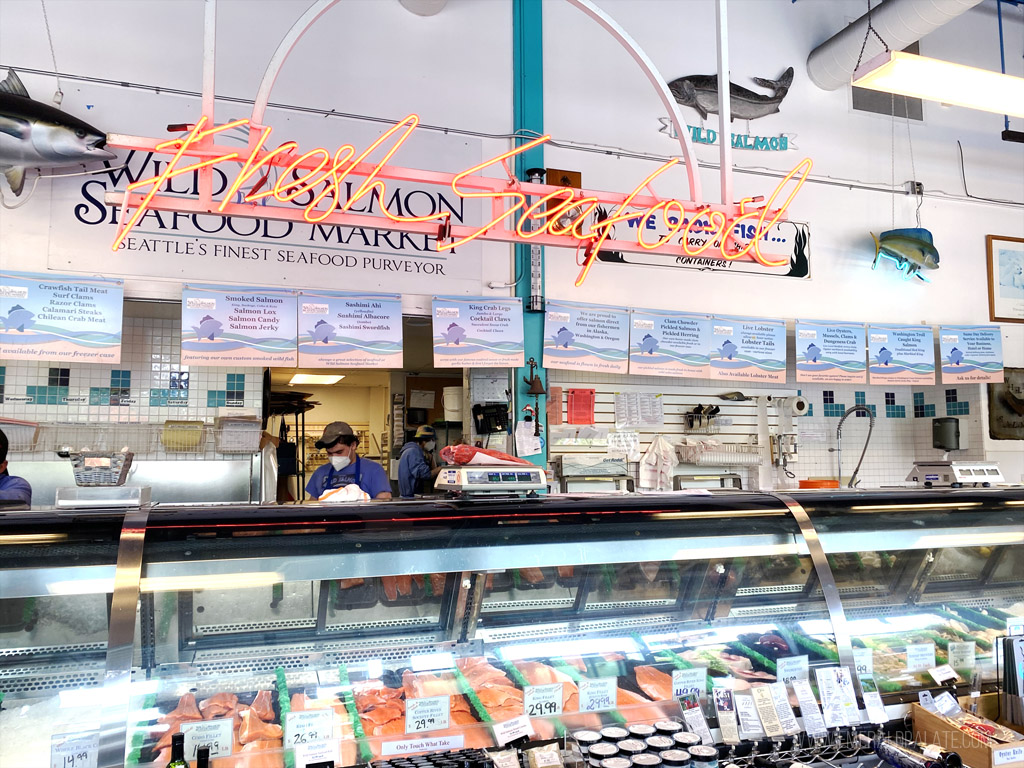
When it comes to eating healthy, fresh seafood is an excellent choice as it is packed with essential nutrients like omega-3 fatty acids, protein, vitamins, and minerals. However, buying seafood can sometimes be expensive if you’re not careful. With a few frugal tips in mind, you can enjoy delicious and nutritious seafood without breaking the bank.
1. **Plan Your Meals**: Before heading to the store or fish market, plan your meals for the week. This way, you can purchase only what you need and avoid overspending on impulse buys.
2. **Buy in Season**: Seafood prices fluctuate depending on the seasonality of different species. Research which types of seafood are in season in your area and focus on purchasing those varieties for better prices and fresher quality.
3. **Compare Prices**: Visit multiple stores or fish markets to compare prices before making a purchase. Sometimes prices can vary significantly between different retailers for the same product.
4. **Look for Sales and Specials**: Keep an eye out for sales and specials at your local grocery store or fish market. Many retailers offer discounts on seafood to clear out inventory or promote certain products.
5. **Consider Frozen Options**: Frozen seafood is often more affordable than fresh options but can still be just as nutritious if handled properly during processing and storage. Look for frozen wild-caught options over farmed varieties for better quality.
6. **Buy in Bulk**: Purchasing larger quantities of seafood can often result in lower per-unit costs compared to buying small portions individually packaged.
7. **Join a Community Supported Fishery (CSF)**: Similar to Community Supported Agriculture (CSA) programs, CSFs allow consumers to buy directly from local fishermen at a set price each week or month. This direct-to-consumer model cuts out middlemen and can offer significant cost savings while supporting local fishing communities.
8**Check Local Farmer’s Markets**: Some farmer’s markets also feature fresh seafood vendors who sell their catch directly to consumers at competitive prices.
9**Sign Up for Loyalty Programs:** Many grocery stores offer loyalty programs that provide discounts on specific items including seafood purchases over time through points accumulation systems
10**Utilize Apps & Websites:** There are several apps and websites available that help users find deals on groceries including fresh seafood; these platforms may have coupons or cashback offers that make purchasing more budget-friendly.
11**Don’t Overlook Canned Seafood:** Canned tuna, salmon, sardines are great alternatives when trying to stick within budget; they are generally cheaper than fresh options yet still rich in nutrients like Omega-3 fatty acids.
12**Learn Basic Cooking Techniques:** By learning how to cook various types of fish yourself at home rather than ordering prepared dishes from restaurants; you will save money while controlling ingredients used.
13**Ask For Advice:** Don’t hesitate Ask questions about sustainability practices behind source’s fishing methods etc.; understanding where your food comes from helps make informed choices
14**Consider Alternative Species: Some lesser-known species tend to be more affordable yet equally delicious as popular ones like salmon or shrimp so explore new options within budget constraints
15**Use Every Part Of The Fish: Utilize whole fish instead of just fillets; use bones heads skin scraps making stock soups sauces stretch value further
In conclusion by applying these frugal tips when buying fresh seafoodyou’ll be able enjoy healthy nutritious meals without overspending!

Leave a Reply