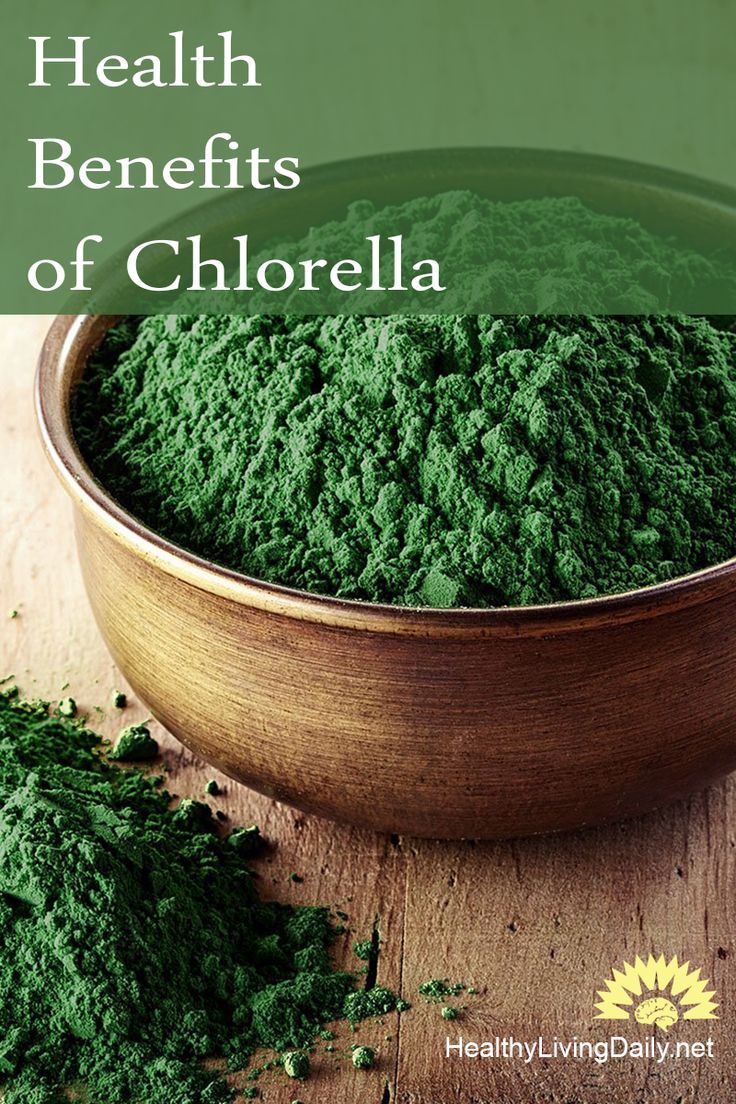
Chlorella, the green superfood that has been gaining popularity in the health and wellness world, is often touted for its numerous benefits. From detoxifying properties to being a rich source of vitamins and minerals, chlorella seems like a powerhouse of nutrition. However, like all good things in life, there can be side effects associated with its consumption. Let’s dive into some of the potential chlorella side effects that you should be aware of.
1. Digestive Issues:
One of the most common side effects reported by individuals consuming chlorella is digestive discomfort. Since chlorella is high in fiber and chlorophyll, it can sometimes be difficult for your body to break down efficiently, leading to bloating, gas, and even stomach cramps. If you are new to consuming chlorella or have a sensitive digestive system, it’s advisable to start with small doses and gradually increase over time.
2. Allergic Reactions:
While rare, allergic reactions to chlorella can occur in some individuals. Symptoms may include itching, hives, swelling of the face or throat, difficulty breathing, or even anaphylaxis in severe cases. If you have known allergies to seafood or iodine (as chlorella contains iodine), it’s essential to consult with a healthcare provider before adding chlorella to your diet.
3. Heavy Metal Contamination:
Chlorella is known for its ability to bind heavy metals and toxins in the body and aid in their elimination through detoxification processes. However, if sourced from polluted waters or not properly cultivated under controlled conditions, chlorella itself may contain heavy metal contaminants such as mercury or lead. It’s crucial to choose a reputable brand that tests their products for purity and quality.
4. Vitamin K Interference:
For individuals on blood-thinning medications such as Warfarin (Coumadin), consuming large amounts of vitamin K-rich foods like chlorella may interfere with the medication’s effectiveness by promoting blood clotting. While vitamin K is essential for healthy blood clotting function in normal circumstances, those on anticoagulant therapy should monitor their intake of vitamin K-containing foods including chlorella.
5. Potential Drug Interactions:
Due to its detoxifying properties and ability to bind toxins in the body, chlorella supplements may interact with certain medications by altering their absorption or efficacy levels. If you are taking any prescription medications regularly or have underlying health conditions such as thyroid disorders or autoimmune diseases, it’s best to seek advice from a healthcare professional before incorporating chlorella into your routine.
6. Skin Sensitivity:
Some individuals have reported skin reactions such as rashes or increased sensitivity after using topical products containing Chlorella extract due to its potent antioxidants and bioactive compounds stimulating skin cell turnover processes rapidly.
7: Unpleasant Taste:
Let’s face it – while some people might enjoy the taste of freshwater algae found within Chroella supplements – others find them overpowering! The strong earthy flavor can take some getting used too – so try blending it into smoothies at first if you’re having trouble adjusting!
In conclusion,
While Chroella offers many health benefits when consumed mindfully; being aware of possible side effects remains paramount when integrating it into your diet regimen.
If experiencing any adverse symptoms upon starting Chroella supplements – discontinue use immediately & consult with medical professionals right away!
Remember always – moderation & awareness ensure optimal results when incorporating new dietary elements – Happy & Healthy Eating!

Leave a Reply