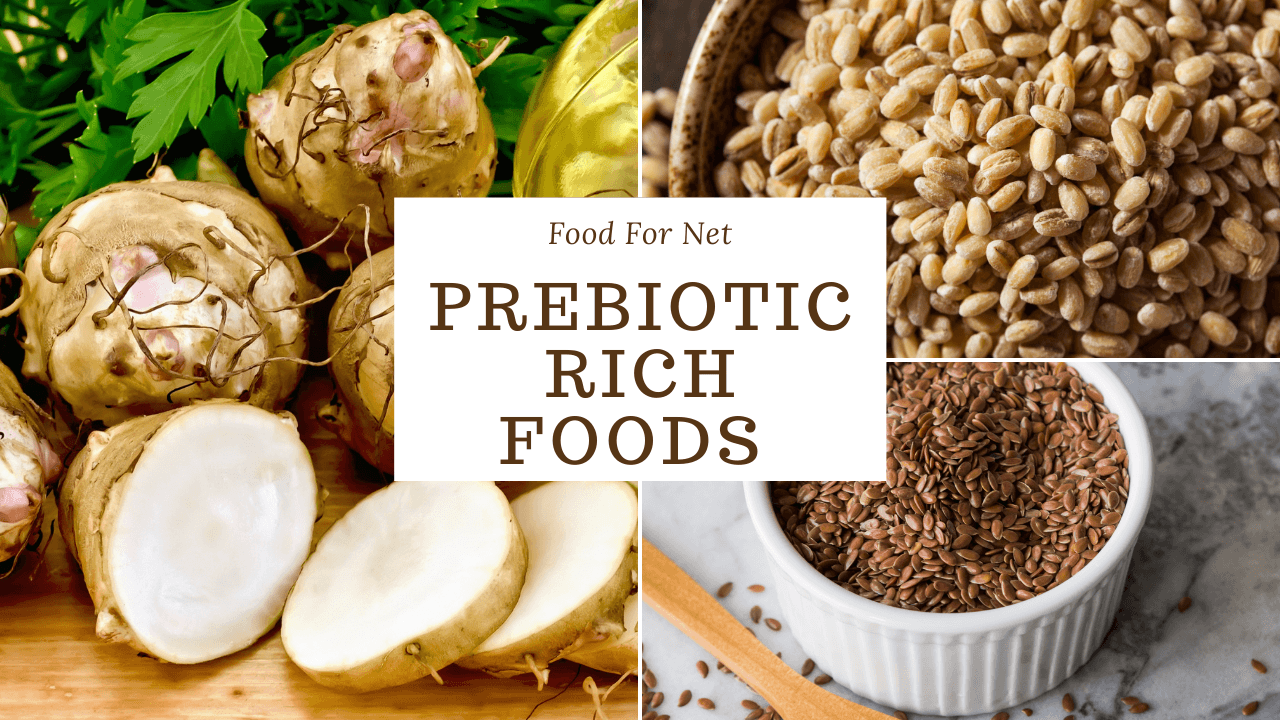
Gut health is a crucial aspect of overall well-being, and one key factor in maintaining optimal gut health is the consumption of prebiotics. Prebiotics are a type of fiber that serve as food for beneficial bacteria in the gut, promoting their growth and activity. By nourishing these good bacteria, prebiotics help to maintain a healthy balance in the microbiome, which is essential for supporting digestion, immune function, and even mental health.
Fiber sources such as fruits, vegetables, whole grains, nuts, seeds, and legumes are rich in prebiotics. Some specific examples of prebiotic foods include garlic, onions, leeks, asparagus, bananas, apples, flaxseeds, and oats. These foods contain different types of fibers such as inulin and resistant starches that can have a positive impact on gut health.
Consuming prebiotic-rich foods has been associated with various health benefits. These include improved digestive function by preventing constipation and supporting regular bowel movements. Additionally, a healthy microbiome can help boost the immune system by enhancing its ability to fight off harmful pathogens.
Prebiotics may also play a role in weight management by promoting feelings of fullness and reducing calorie intake. By supporting the growth of beneficial bacteria in the gut through prebiotic consumption or supplementation with products containing ingredients like inulin or oligofructose-enriched inulin (OEI), individuals may experience reduced bloating and improved metabolic health.
It’s important to note that while both prebiotics and probiotics are beneficial for gut health, they serve different purposes. While probiotics are live microorganisms that provide direct benefits to the host when consumed in adequate amounts (often found in fermented foods like yogurt or kombucha), prebiotics act as food for these probiotics to thrive.
For those with sensitivities like irritable bowel syndrome (IBS), following a low FODMAP diet that limits certain types of fermentable carbohydrates can help alleviate symptoms such as bloating or gas. However,
incorporating suitable prebiotic sources that are well-tolerated within this dietary framework can still be possible.
In conclusion,
prioritizing
prebiotic-rich foods or supplements can significantly contribute to maintaining a diverse intestinal flora crucial for optimal gut health while reaping numerous associated benefits related to digestive wellness,
immune support,
weight management,
and metabolic regulation.
Including more
inulin sources
and resistant starches
in your diet along with exploring
prebtioc recipes
can further enhance your efforts towards achieving better overall well-being through nurturing your microbiome effectively.

Leave a Reply