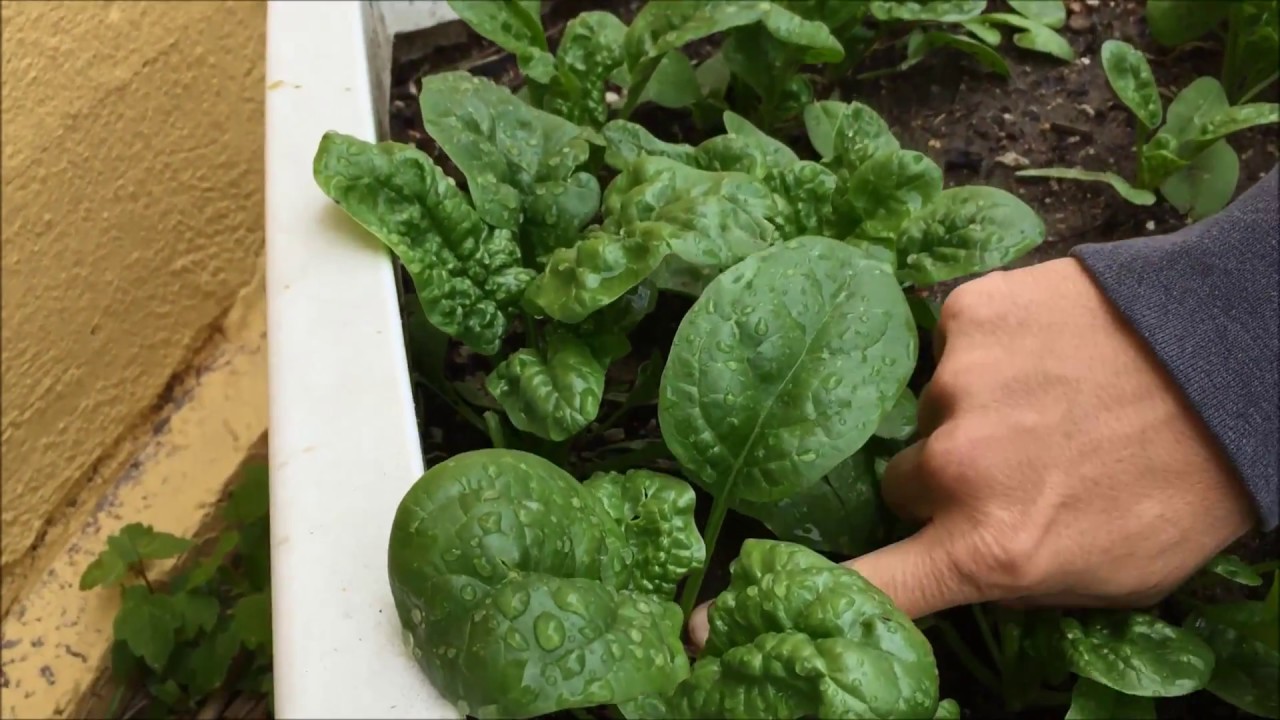
Growing spinach at home is not only a rewarding experience but also a great way to save money while ensuring that you have access to fresh, nutritious greens right at your fingertips. Spinach is a versatile leafy green that is packed with essential nutrients such as vitamins A, C, and K, as well as minerals like iron and calcium. By cultivating your own spinach garden, you can enjoy the benefits of this superfood without breaking the bank.
To start growing spinach at home, first select a suitable location in your yard or balcony that receives ample sunlight throughout the day. Spinach thrives in cool weather, so it’s best to plant it in early spring or late summer for a fall harvest. Prepare the soil by mixing in compost or organic fertilizer to provide essential nutrients for your plants.
When choosing spinach seeds or seedlings, opt for varieties that are well-suited for your climate and growing conditions. Spinach comes in different types such as savoy (crinkly leaves), semi-savoy (slightly crinkled), and smooth-leafed varieties. Consider factors like space availability and preferred taste when selecting the type of spinach to grow.
Sow the seeds directly into the prepared soil about half an inch deep and one inch apart. If transplanting seedlings, space them accordingly based on their mature size. Water the newly planted seeds gently to avoid displacing them and ensure that the soil remains consistently moist but not waterlogged.
As your spinach plants grow, it’s important to keep them well-watered and mulched to retain moisture in the soil. Regular watering is crucial for healthy leaf development and preventing bolting – when plants prematurely produce flowers and go to seed due to stress from heat or lack of water.
Fertilize your spinach plants every few weeks with a balanced organic fertilizer to promote vigorous growth and increase yield. Avoid using synthetic fertilizers high in nitrogen, as they can lead to excessive leafy growth at the expense of flavor.
Monitor your spinach crop regularly for pests such as aphids, snails, slugs, or caterpillars which can damage leaves if left unchecked. Consider using natural pest control methods like introducing beneficial insects or handpicking pests if infestations occur.
Harvesting spinach is simple – wait until the leaves are large enough to eat but still tender before picking them individually from the outer edges of each plant. You can either harvest individual leaves continuously or cut off entire plants at ground level for a larger yield.
Freshly harvested spinach can be enjoyed raw in salads or sandwiches for maximum nutritional benefit. Alternatively, you can cook it lightly by steaming or sautéing with garlic and olive oil as a delicious side dish rich in vitamins and minerals.
By growing your own supply of spinach at home year-round through succession planting – sowing new seeds every few weeks – you can ensure a steady harvest throughout different seasons while saving money on trips to grocery stores.
Not only does growing spinach at home offer cost savings on store-bought produce over time but also provides peace of mind knowing exactly where your food comes from and how it was grown organically without harmful pesticides or chemicals.
In conclusion,growing spinaches has numerous benefits both economically sustainable nutritionally wise making it worth considering adding this practice into our daily routine .

Leave a Reply