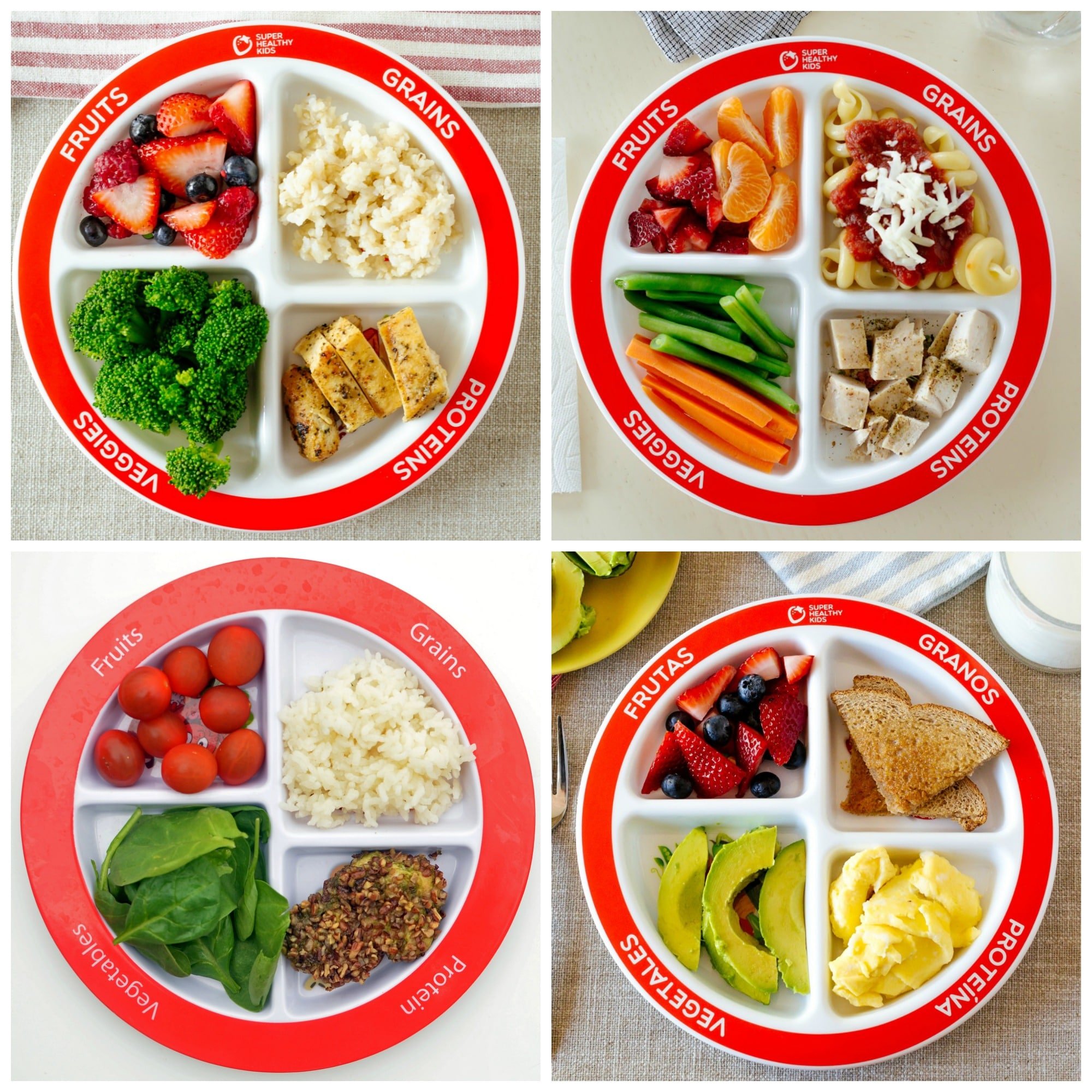
Portion control is a crucial aspect of maintaining a healthy diet. By being mindful of how much we eat, we can prevent overeating and support weight management. Portion control can be achieved by using smaller plates, measuring serving sizes, and listening to your body’s hunger cues.
Incorporating fermented foods into your diet can have numerous benefits for your gut health. Foods like yogurt, kefir, sauerkraut, and kimchi are rich in probiotics that promote the growth of beneficial bacteria in the gut. These good bacteria help improve digestion, boost immunity, and even enhance mental well-being.
Creating balanced meals for picky eaters can be challenging but not impossible. One strategy is to involve them in meal planning and preparation to increase their interest in trying new foods. Offering a variety of options on their plate with familiar and new items can also help expand their palate over time.
Meal timing plays a role in metabolism regulation. Eating regular meals throughout the day keeps blood sugar levels stable and helps maintain energy levels. It’s essential to listen to your body’s hunger signals and fuel it accordingly.
Nutrient-dense snacks are ideal for on-the-go individuals who need quick energy boosts without compromising on nutrition. Options like nuts, seeds, fruit slices with nut butter, or Greek yogurt with berries provide vitamins, minerals, fiber, and protein for sustained energy.
Plant-based proteins are excellent alternatives to animal products for those looking to reduce meat consumption or adopt a vegetarian lifestyle. Legumes (such as lentils and chickpeas), tofu, tempeh, quinoa, chia seeds, and hemp seeds are great sources of plant-based protein.
Hydration is key to overall health and plays a significant role in maintaining a balanced diet. Drinking an adequate amount of water daily supports digestion, nutrient absorption, circulation, temperature regulation,and more efficient metabolism.
Mindful eating practices involve paying attention to each bite you take – savoring flavors,textures,and aromas while chewing slowly.This approach aids digestion by allowing enzymes enough time to break down food properly,reducing bloating,and enhancing nutrient absorption from food consumed.
Budget-friendly healthy meal ideas don’t have to be boring or bland.Opting for seasonal produce,frozen fruits/veggies,canned beans,lentils,brown rice,oats,eggs,& affordable cuts of lean meat allows creating nutritious meals that won’t break the bank.
Cooking techniques such as steaming,stir-frying,broiling,& baking retain more nutrients than deep-frying or boiling.Roasting vegetables brings out their natural sweetness & enhances flavors while preserving essential vitamins,minerals,& antioxidants.
Understanding food labels& ingredient lists helps make informed choices at the grocery store.Look out for added sugars,sodium,preservatives,& artificial ingredients.Choose whole foods with minimal processing&simpler ingredient lists whenever possible.
Strategies like meal prepping& proper storage help minimize food waste.Plan meals ahead,buy only what you need,set aside leftovers for future use,& get creative with repurposing ingredients into new dishes.These habits reduce environmental impact& save money.
Whole grains like quinoa,brown rice,oats,millet,buckwheat,& barley offer fiber,vitamins,minerals& antioxidants that refined grains lack.They aid digestion,promote heart health,sustain energy levels longer & contribute positively towards overall well-being.
Healthy swaps like using Greek yogurt instead of sour cream,mashed avocado instead of butter/oil,nutritional yeast instead of cheese,zucchini noodles instead of pasta,cocoa powder instead of chocolate chips allow reducing unnecessary calories&saturated fats while boosting nutritional value.
Building a balanced plate means incorporating different colored fruits/vegetables(orange carrots,yellow peppers,green spinach),lean proteins(chicken breast,tofu),whole grains(brown rice),healthy fats(avocado,nuts/seeds)creates visually appealing,nutrient-rich meals every time
Gut health impacts overall well-being significantly.Probiotic-rich foods(fiber-filled veggies/fruits)prebiotics(feed good gut bacteria)promote digestive balance,ease symptoms associated with conditions like IBS,constipation/diarrhea,& strengthen immune function
Navigating social situations while maintaining a healthy diet requires communication.Setting boundaries politely,eating before attending events where unhealthy foods dominate bringing healthier dish contributions,enjoying treats mindfully,but not excessively maintains balance
Superfoods packed with nutrients include blueberries(known antioxidant powerhouse),spinach(great source iron/vitamin K)& salmon(high omega-3 fatty acids).Adding these superfoods into everyday recipes boosts nutritional content& supports overall health optimally
Meal prepping strategies optimize busy schedules.Prepare batches/grab-and-go breakfasts/lunches,dice/chop veggies beforehand/cook proteins ahead.Store in portioned containers/freeze extras.Staying organized streamlines weeknights making healthier choices convenient&tasty
Balancing macronutrients(carbs/proteins/fats)across meals promotes sustained energy intake throughout the day.Carbohydrates provide initial fuel;protein sustains fullness;&fats support vitamin absorption.Choosing complex carbs(whole grains)&lean protein sources improves satiety
This comprehensive guide covers various aspects related to healthy eating ranging from portion control tips through meal prepping strategies all aimed at helping readers develop better eating habits leading towards improved nutrition &overall wellness goals accomplished successfully

Leave a Reply