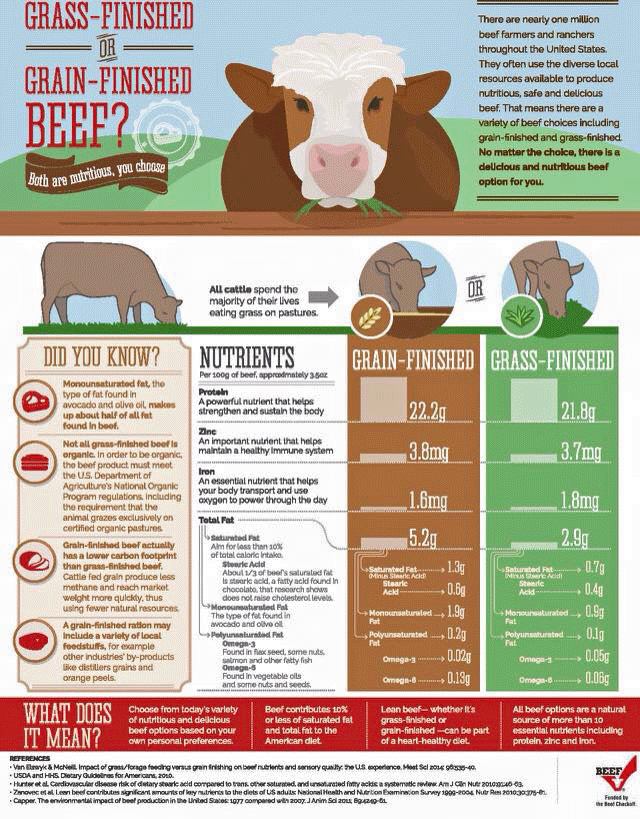
Grass-fed beef has gained popularity in recent years as consumers become more conscious about the quality of their food and its impact on health. Unlike conventionally raised cattle that are fed grains and soy-based feed, grass-fed beef comes from cows that graze on pasture for the majority of their lives. This difference in diet not only affects the animals’ well-being but also results in a product that is nutritionally superior.
One of the key benefits of choosing grass-fed beef is its nutrient profile. Grass-fed beef is leaner than grain-fed counterparts, containing less total fat and fewer calories per serving. Additionally, it has higher levels of omega-3 fatty acids, which are known for their anti-inflammatory properties and heart health benefits. Grass-fed beef also contains higher amounts of conjugated linoleic acid (CLA), a type of healthy fat that may have potential anti-cancer properties.
In terms of vitamins and minerals, grass-fed beef is a good source of several nutrients essential for health. It provides higher levels of antioxidants like vitamin E and beta-carotene compared to grain-fed options. Grass-fed beef also contains more B vitamins such as thiamine, riboflavin, niacin, and vitamin B6, which play crucial roles in energy metabolism and overall well-being.
Another significant advantage of grass-fed beef is its lower risk of contamination with antibiotics and hormones. Cattle raised on pasture are less likely to be given antibiotics routinely or growth-promoting hormones commonly used in conventional farming practices. By choosing grass-fed options, consumers can reduce their exposure to these potentially harmful substances while supporting more sustainable livestock management practices.
From an environmental perspective, opting for grass-fed beef can also have positive implications. Pasture-raised cattle contribute to healthier soils through natural fertilization processes and help maintain biodiversity by promoting diverse ecosystems on grazing lands. Sustainable grazing practices can improve soil quality over time, sequestering carbon from the atmosphere and mitigating climate change impacts associated with industrial agriculture.
When it comes to taste, many people prefer the flavor profile of grass-fed beef over grain-finished varieties due to its richer taste and unique texture. The meat tends to be slightly gamier with hints of herbaceousness from the diverse plants consumed by grazing cattle. While personal preferences vary, those who enjoy a more robust flavor profile often find grass-fed options satisfying.
Despite these numerous benefits, it’s important to note that grass-fed beef may come at a higher price point compared to conventional alternatives due to factors like longer production times and additional costs associated with pasture management. However, many consumers view this as an investment in both personal health and sustainable agricultural practices.
In conclusion,
grassfed-beef offers numerous advantages ranging from better nutritional content
to potential environmental benefits compared
to conventionally raised alternatives.
By making informed choices about
the food we consume,
we can support our own well-being
and contribute positively
to broader sustainability efforts within
the food system.
Whether you’re looking for a healthier protein option,
wanting to explore new flavors,
or seeking ways to minimize your environmental footprint,
consider incorporatinggrassfed-beef into your dietchoices.
Your body—and the planet—will thank you!

Leave a Reply