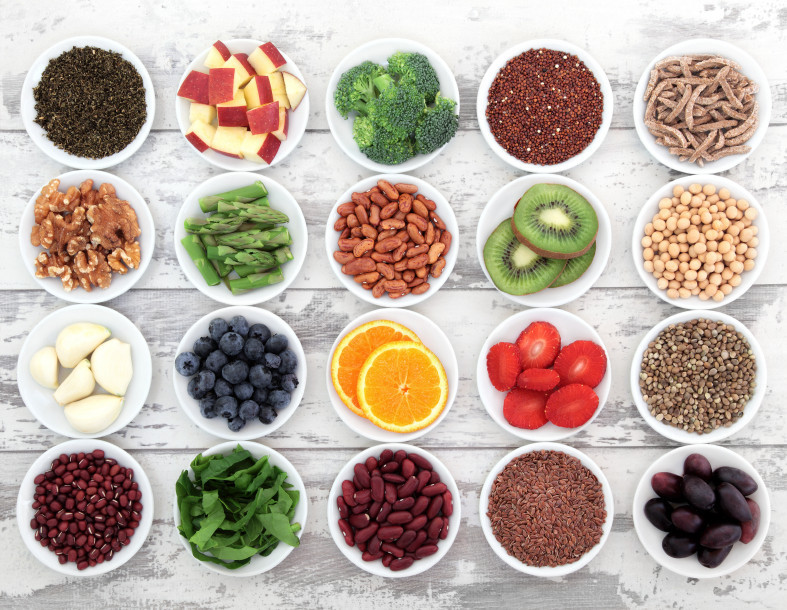
When it comes to maintaining a healthy diet, it’s essential to ensure you’re getting all the necessary nutrients your body needs to function at its best. While many people are familiar with common sources of protein like tofu, lentils, and chickpeas, there are plenty of lesser-known options that can add variety and nutrition to your meals.
One often-overlooked source of plant-based protein is hemp seeds. These tiny seeds are packed with protein and contain all nine essential amino acids, making them a complete protein source. They can be easily sprinkled on salads or blended into smoothies for an extra boost of nutrition.
Another superfood that may not be on your radar is spirulina. This blue-green algae is rich in protein, iron, and vitamins A and K. It has a slightly earthy taste but can be added to smoothies or mixed into energy balls for a nutrient-packed snack.
For those looking to up their intake of vitamins and minerals, sea vegetables like seaweed are an excellent choice. Seaweed is high in iodine, which supports thyroid function, as well as calcium, magnesium, and iron. You can incorporate seaweed into your diet by adding nori sheets to sushi rolls or snacking on roasted seaweed chips.
When it comes to ancient grains, quinoa often steals the spotlight. However, there are other grains worth exploring for their nutritional benefits. Amaranth is one such grain that is gluten-free and high in protein and fiber. It has a nutty flavor and works well in salads or as a side dish.
In the world of fruits and vegetables, some lesser-known options offer impressive nutrient profiles. For example, kiwano melon (also known as horned melon) is rich in vitamin C and antioxidants. Its bright orange flesh adds a pop of color to fruit salads or smoothie bowls.
If you’re looking for alternatives to common snacks like potato chips or cookies, consider reaching for dried fava beans or roasted chickpeas instead. These crunchy snacks are high in fiber and protein while being lower in fat than traditional snack foods.
Organ meats may not be everyone’s first choice when it comes to healthy eating, but they pack a nutritional punch that shouldn’t be overlooked. Liver is particularly rich in iron, vitamin A, and B vitamins essential for overall health.
To boost your fiber intake in unconventional ways, try incorporating chia seeds into your diet. These tiny seeds swell up when soaked in liquid, making them perfect for creating chia pudding or adding thickness to smoothies.
Maintaining gut health is crucial for overall well-being, so including nutrient-dense foods like kefir (fermented milk drink) or kimchi (spicy fermented cabbage) can help support good digestion by providing probiotics that promote healthy gut flora.
Flaxseeds may already be on your radar for their omega-3 fatty acid content but don’t forget about hemp hearts! These nutty-tasting seeds also contain omega-3s along with protein and minerals like magnesium—sprinkle them on yogurt or oatmeal for an added nutritional boost.
While we often focus on getting enough vitamins like vitamin C or D,
micronutrients play equally important roles in supporting our health.
Zinc helps with immune function,
selenium acts as an antioxidant,
and chromium helps regulate blood sugar levels.
Including foods rich in these lesser-known micronutrients
like oysters (for zinc),
Brazil nuts (for selenium),
and broccoli (for chromium)
can help ensure you’re meeting all your body’s needs.
In conclusion,
exploring these underappreciated sources of nutrition
can add excitement
and diversity
to your diet while providing essential nutrients
that contribute
to overall health.
So next time you’re planning meals,
consider incorporating some of these hidden gems
to nourish both your body
and taste buds!

Leave a Reply