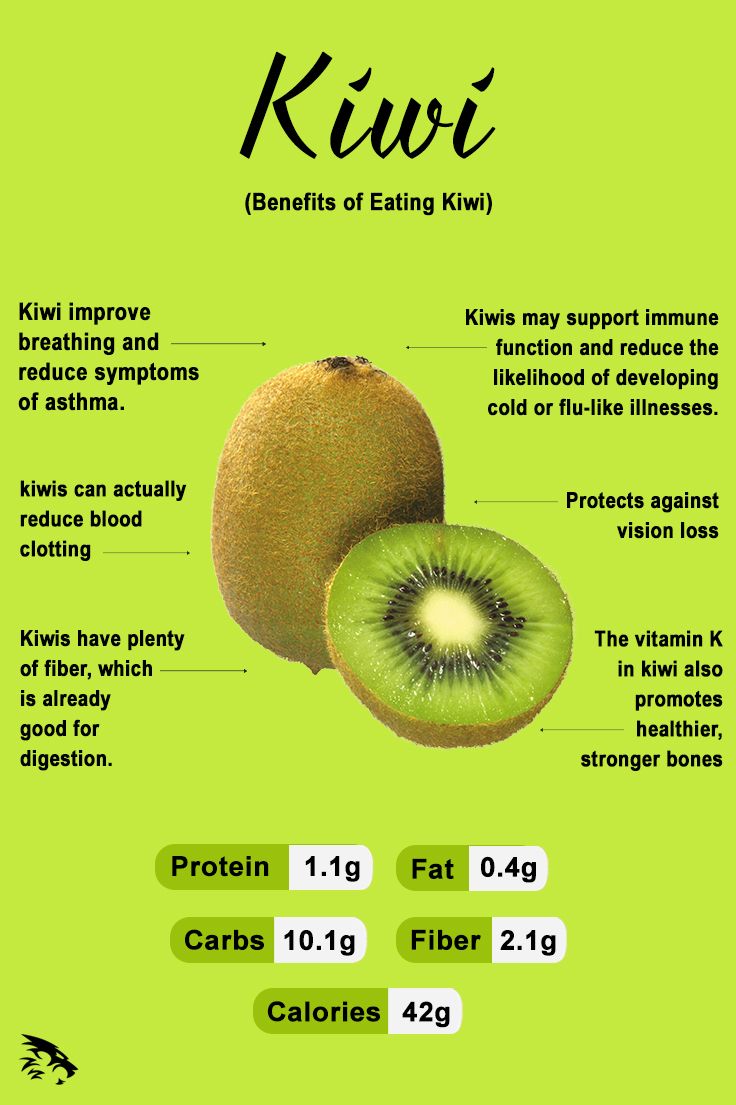
Kiwi, the small but mighty fruit known for its fuzzy brown exterior and vibrant green flesh, is a nutritional powerhouse that offers a myriad of health benefits. Originally native to China where it was called the Chinese gooseberry, kiwifruit made its way to New Zealand in the early 20th century, earning its now-iconic name after the country’s national bird—the kiwi.
This little fruit packs quite a punch when it comes to nutrition. Kiwis are an excellent source of vitamin C, containing even more of this immune-boosting nutrient per serving than oranges. Just one medium-sized kiwi provides over 100% of the recommended daily intake of vitamin C. This makes them an ideal snack choice for supporting overall health and warding off illnesses such as colds and flu.
In addition to vitamin C, kiwis are also rich in other essential vitamins and minerals. They are a good source of vitamin K, which is important for bone health and blood clotting, as well as vitamin E, an antioxidant that helps protect cells from damage caused by free radicals. Kiwis also contain folate (vitamin B9), potassium, and fiber—all crucial nutrients for maintaining optimal health.
One standout feature of kiwifruit is their high fiber content. Fiber is essential for digestive health as it helps regulate bowel movements and promotes a healthy gut microbiome. The combination of soluble and insoluble fiber found in kiwis can aid in preventing constipation and promoting regularity.
Another unique aspect of kiwis is their enzyme called actinidin. Actinidin is a natural digestive enzyme that can help break down proteins more efficiently during digestion. This may be particularly beneficial for individuals who have difficulty digesting certain foods or experience bloating or indigestion after meals.
Despite their small size, kiwis are surprisingly filling due to their fiber content and water content—making them a satisfying snack option that can help with weight management goals. The low calorie count in kiwis also makes them a guilt-free treat for those looking to indulge in something sweet without compromising on nutrition.
Not only are kiwis nutritious from the inside out but they also offer beauty benefits when consumed regularly. The antioxidants found in these fruits can help combat skin aging by neutralizing free radicals that contribute to wrinkles and fine lines. Vitamin C plays a key role in collagen production—a protein vital for maintaining skin elasticity—which further contributes to glowing skin when included as part of a balanced diet.
When selecting ripe kiwifruit at the grocery store or market, look for ones that yield slightly when gently pressed with your thumb while avoiding overly soft or mushy specimens which may indicate overripeness or spoilage. To enjoy this delectable fruit at its best flavor peak, wait until just before eating to cut open as exposure to air can cause rapid deterioration due to oxidation.
The versatility of kiwifruit extends beyond simply being enjoyed on its own—it can be incorporated into various culinary creations ranging from smoothies and salads to salsas and desserts like sorbets or tarts. Its sweet-tart flavor profile pairs well with both sweet and savory dishes making it an adaptable ingredient suitable for all taste preferences.
In conclusion, Kiwi isn’t just your average fruit—it’s a nutritional powerhouse brimming with vitamins, minerals, fiber,
antioxidants,and enzymes that support overall health from head-to-toe.
With numerous potential benefits including immune support,digestive assistance,and skincare perks,this humble
fruit deserves recognition as not just amere tropical delicacy,butas astar playerinyour questforahealthier lifestyle.
Whether you slice it,eat it whole blenditintoasmoothieorcookitintoadish,Kiwiistheperfect addition toyourdiet
thatcanhelpyoulookgoodandfeelgreatinsideandout

Leave a Reply