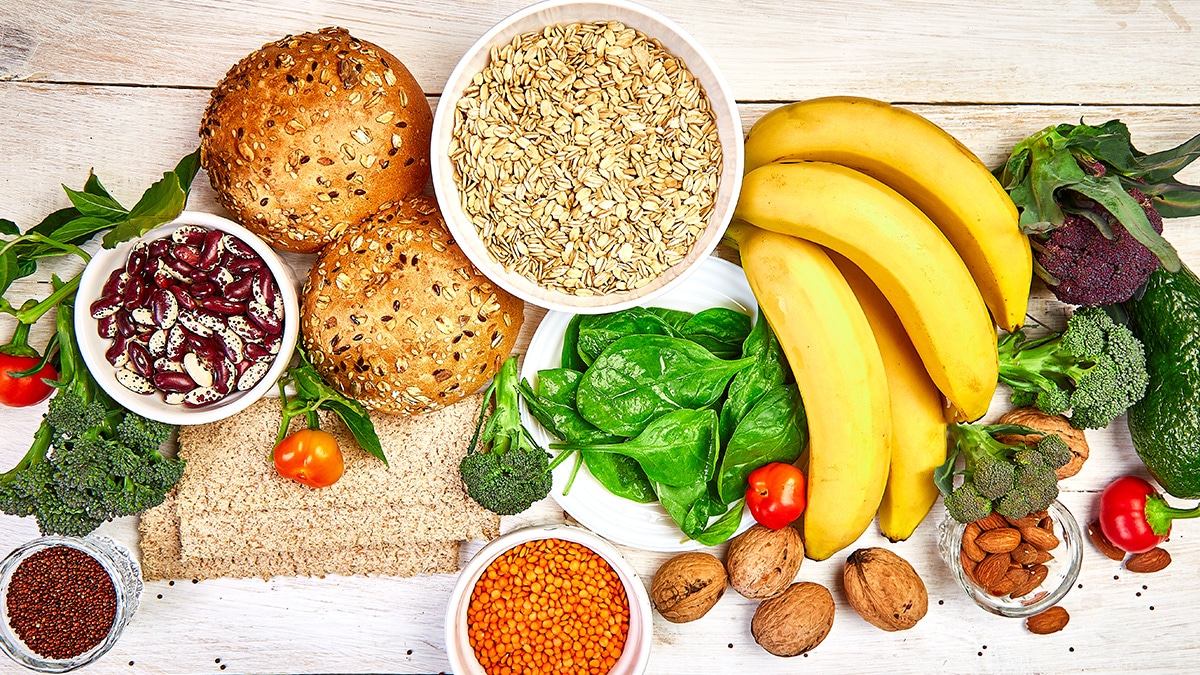
Fiber is an essential nutrient that plays a crucial role in maintaining good gut health. It acts as food for the beneficial bacteria in our digestive system, promoting their growth and overall well-being. By including an adequate amount of fiber in your diet, you can support healthy digestion and prevent issues like constipation.
High-fiber snacks are convenient options for those on-the-go. They provide a quick energy boost while keeping you full and satisfied. Some great snack ideas include raw vegetables with hummus, mixed nuts, whole fruit, or even whole grain crackers with nut butter.
Smoothies are another fantastic way to increase your fiber intake. By adding ingredients like chia seeds, flaxseeds, oats, or leafy greens to your smoothie recipes, you can create a delicious and nutritious drink that’s packed with fiber.
When it comes to weight management, fiber plays a significant role in helping you feel full longer, which can aid in controlling portion sizes and reducing overall calorie intake. Foods high in fiber often require more chewing time, slowing down the eating process and giving your body more time to signal feelings of fullness.
For vegetarians looking to increase their fiber intake, incorporating foods like lentils, chickpeas, quinoa, beans, and whole grains into meals is key. These plant-based sources are not only rich in fiber but also provide essential nutrients like protein and iron.
Increasing your fiber intake gradually is important to avoid digestive discomfort such as bloating or gas. Start by incorporating small amounts of high-fiber foods into your meals and gradually increasing the quantity over time as your body adjusts.
In terms of blood sugar control, fiber helps slow down the absorption of sugar into the bloodstream after meals. This can help prevent spikes in blood sugar levels and promote better insulin sensitivity over time.
The connection between heart health and fiber is well-established. High-fiber diets have been linked to lower cholesterol levels and reduced risk of heart disease. Soluble fibers found in foods like oats, fruits (such as apples), beans (like black beans), and flaxseeds have been particularly associated with heart health benefits.
Including more high-fiber grains like quinoa, barley, brown rice, bulgur wheat or farro into your diet can significantly boost your daily fiber intake while providing valuable nutrients such as vitamins B6 and E along with minerals like magnesium.
Legumes are excellent sources of both protein and fiber – they’re versatile ingredients that can be incorporated into various dishes from salads to soups to stews for added texture and nutrition benefits.
When cooking high-fiber foods such as vegetables or legumes try steaming or roasting them instead of boiling them which could leach out some water-soluble fibers making them less effective at aiding digestion
It’s worth noting that while supplements might seem like an easy way to increase daily fibre consumption; natural sources offer additional nutritional benefits such as vitamins minerals antioxidants phytochemicals so strive primarily for whole food options when possible
Breakfast provides an excellent opportunity for boosting fibre consumption: overnight oats loaded up with chia seeds berries nuts; avocado on whole-grain toast topped off by a sprinkling hemp seeds; smoothie packed kale spinach bananas almond milk all great ways start day right
Getting kids excited about fibre-rich foods might require creativity: try blending veggies into spaghetti sauce hiding fibrous ingredients baked goods offering fruits crunchy toppings snacks keep things fun engaging encouraging experimentation variety
Meal prepping ahead saves time ensures balanced nutritious choices throughout week: preparing large batches soups stews grain salads roasted veggies allows easy grab-and-go lunches dinners without sacrificing dietary needs ensuring plenty fibre each meal
Skin health reflects internal balance diet rich essential nutrients especially fibre supports overall wellness Including variety colourful fruits vegetables legumes nuts seeds promotes glowing complexion strong hair nails hydration equally imperative skin elasticity vibrancy
Staying hydrated crucial alongside consuming increased amounts fibre ensure proper digestion regular bowel movements aim least 8 cups water per day aiming hydrate herbal teas infused waters broths also count towards fluid goals staying mindful liquid intake ensures optimal effects high-fibre diet

Leave a Reply