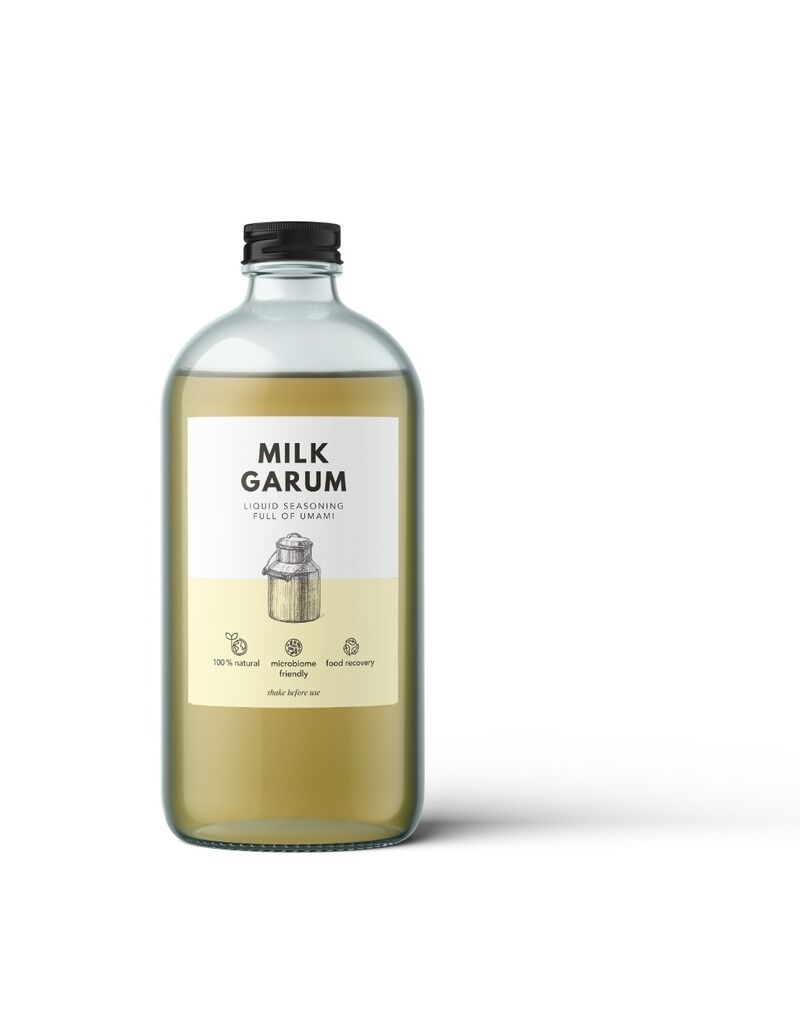
Are you looking to add more flavor to your dishes without resorting to unhealthy additives or excess salt? Look no further than savory flavor enhancers! These natural ingredients are a fantastic way to elevate the taste of your meals while keeping them healthy and nutritious. In this article, we will explore what savory flavor enhancers are, how they work, and how you can incorporate them into your cooking.
Savory flavor enhancers are substances that amplify the umami taste in food. Umami is one of the five basic tastes, alongside sweet, salty, sour, and bitter. It is often described as a savory or meaty taste that adds depth and richness to dishes. Savory flavor enhancers work by stimulating our taste receptors and enhancing the flavors already present in the food.
One popular savory flavor enhancer is nutritional yeast. Nutritional yeast is a deactivated form of yeast that is typically grown on molasses. It has a cheesy, nutty flavor profile that makes it a great alternative to cheese for those following a vegan or dairy-free diet. Nutritional yeast is rich in B vitamins and protein, making it not only delicious but also nutritious.
Another common savory flavor enhancer is tamari or soy sauce. These fermented soybean products add an intense umami kick to dishes and are often used in Asian cuisine. Tamari is gluten-free compared to traditional soy sauce, making it suitable for those with gluten sensitivities.
Miso paste is another excellent option for adding savory depth to dishes. Made from fermented soybeans, miso paste has a salty umami flavor that works well in soups, marinades, dressings, and glazes. It also contains beneficial probiotics that support gut health.
Anchovies are a classic savory ingredient known for their intense umami taste. While some may be put off by their fishy reputation, anchovies when used sparingly can add a rich depth of flavor to various dishes like pasta sauces, salad dressings, and stews.
Dried mushrooms such as porcini or shiitake are powerhouse ingredients when it comes to enhancing the umami factor in food. When rehydrated and added to recipes like risottos or stir-fries, dried mushrooms impart an earthy richness that elevates the dish’s overall taste.
Seaweed like kombu or nori is another excellent source of natural umami flavors. Adding seaweed to broths or stews infuses them with oceanic notes that complement other ingredients beautifully while providing essential minerals like iodine.
Incorporating these savory flavor enhancers into your cooking routine can help reduce the need for excessive salt or artificial seasonings without compromising on taste. Experiment with different combinations of these ingredients to discover new depths of flavors in your favorite recipes.
Remember always; moderation is key when using strong-flavored ingredients like anchovies or miso paste so as not to overpower the dish’s overall balance.
So next time you’re looking for ways to enhance your meals’ flavors naturally without sacrificing health benefits consider reaching out for some of these wholesome options!

Leave a Reply