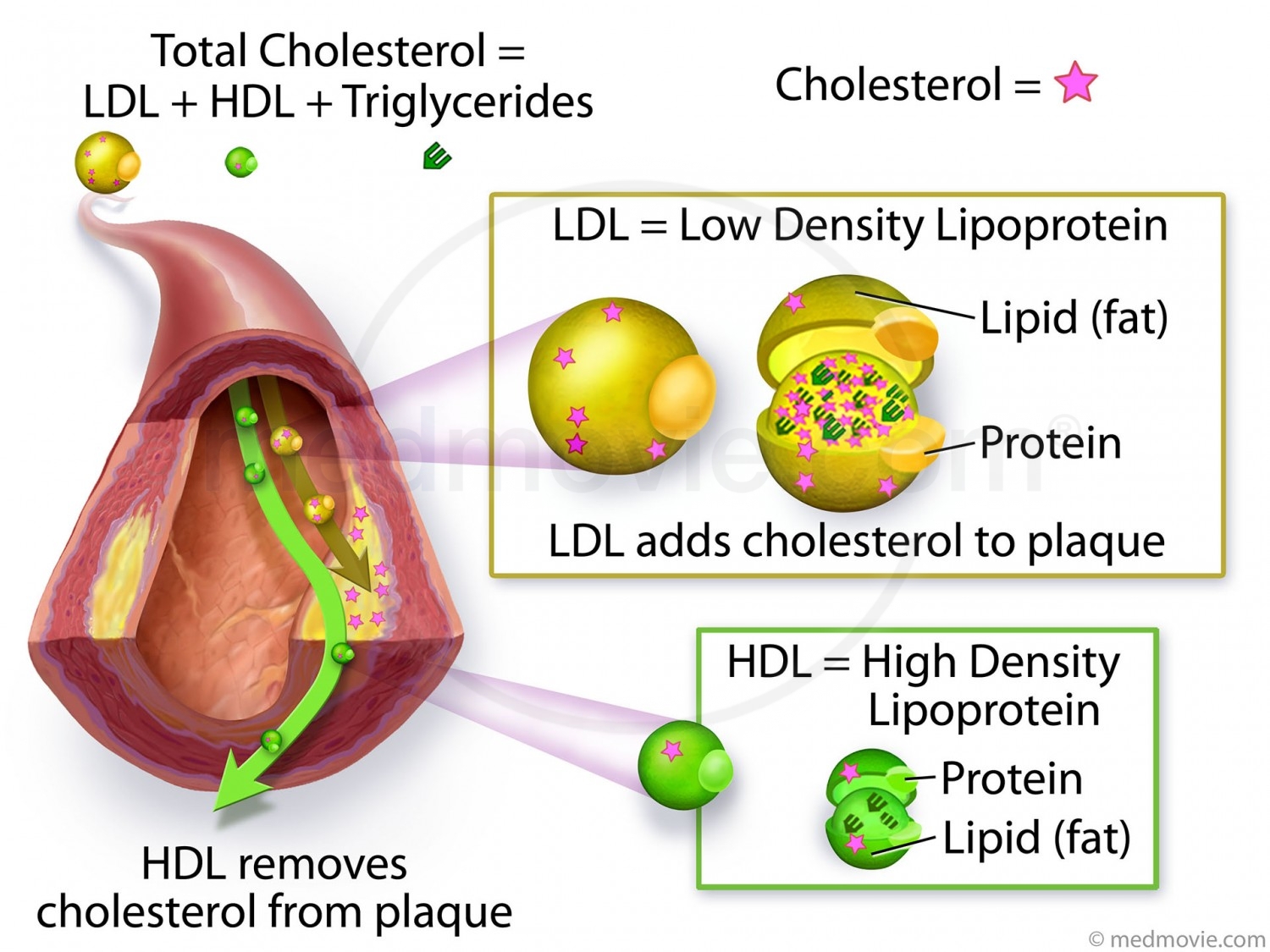
Cholesterol is a vital substance that plays various roles in our bodies, including forming cell membranes, producing hormones like estrogen and testosterone, and aiding in digestion. However, having high levels of cholesterol in the blood can lead to serious health issues such as heart disease and stroke. Understanding cholesterol levels and how to manage them effectively is crucial for maintaining overall health.
When it comes to cholesterol testing, there are typically three key numbers that are measured: total cholesterol, low-density lipoprotein (LDL) cholesterol (often referred to as “bad” cholesterol), and high-density lipoprotein (HDL) cholesterol (known as “good” cholesterol). Total cholesterol includes both LDL and HDL, along with a small amount of triglycerides.
Ideally, you want to aim for a total cholesterol level below 200 milligrams per deciliter (mg/dL). LDL levels should be less than 100 mg/dL while HDL levels should be higher than 40 mg/dL for men and 50 mg/dL for women.
To maintain healthy cholesterol levels or lower high ones, lifestyle changes play a significant role. Eating a balanced diet that is rich in fruits, vegetables, whole grains, lean proteins like fish and poultry can help manage your lipid profile. Limiting saturated fats found in red meat and full-fat dairy products along with trans fats from processed foods is also essential.
Regular physical activity can also help raise HDL levels while lowering LDL and overall total cholesterol. Aim for at least 150 minutes of moderate-intensity exercise each week.
For some individuals who have difficulty managing their cholesterol through diet and exercise alone or those with genetic factors predisposing them to high cholesterol levels; medications may be prescribed by healthcare professionals. Statins are commonly used drugs that can help lower LDL levels effectively.
In conclusion, understanding your cholesterol numbers is crucial for maintaining good cardiovascular health. By adopting healthy lifestyle habits such as eating a balanced diet rich in nutrients while limiting unhealthy fats, engaging in regular physical activity, managing stress effectively along with any necessary medical interventions if needed; you can keep your lipid profile within a healthy range and reduce the risk of heart disease or stroke.

Leave a Reply